Medical Office Cleaning Checklist: Standards for Clinics and Dental Practices
A medical and dental office cleaning checklist covering exam rooms, treatment areas, waiting rooms and washrooms, with the infection-control distinctions cleaners must understand.
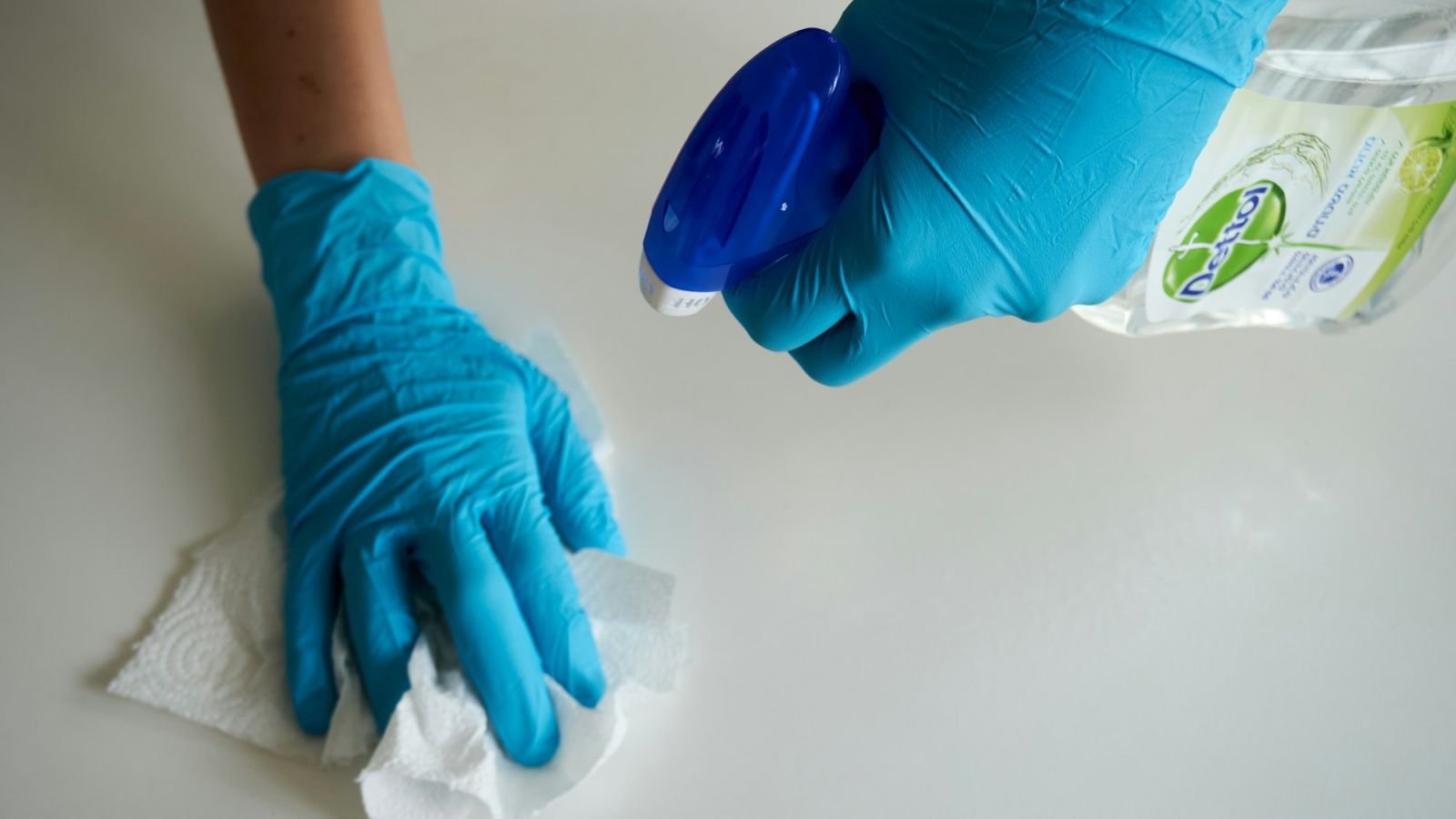
Medical and dental offices are cleaned to a different logic than commercial offices. In an office, the goal is appearance. In a clinic, the goal is infection control first, appearance second, and the two do not always point the same direction.
A medical office cleaning checklist has to reflect that, and it has to respect the boundary between what cleaning staff do and what clinical staff do.
Key takeaways
- Cleaning and disinfecting are different steps, and in clinical space the order matters.
- High-touch surfaces are the priority: door handles, switches, counters, chairs, equipment housings.
- Know which products are approved for the practice and follow their dwell times.
- Never move clinical waste, sharps containers or sterilised instruments unless the practice has explicitly contracted that and trained you.
- Waiting rooms and washrooms shape patient perception more than the back office.
Scope note: clinical waste, sharps, regulated medical equipment and instrument sterilisation are usually the practice's responsibility under their infection-control protocol, not the cleaner's. Confirm in writing what is in and out of scope before starting, and follow the practice's written policy wherever it is stricter than this checklist.
Daily tasks
Exam and treatment rooms
- Clean and disinfect exam tables and chairs, including the edges and under the paper roll — critical
- Disinfect countertops and work surfaces — critical
- Clean and disinfect cabinet handles, drawer pulls and cupboard fronts — critical
- Wipe door handles, light switches and push plates — critical
- Disinfect sink and taps; leave the area dry — critical
- Empty and reline waste bins; wipe the exteriors
- Spot clean walls around sinks, bins and chairs
- Clean floors: sweep or vacuum, then damp mop with the approved product; work from the cleanest area toward the door
- Check and restock paper towel, soap and hand sanitiser — critical
Waiting room and reception
- Wipe and disinfect seating, arms and side tables — critical
- Disinfect door handles, push plates, counters and pens if in scope — critical
- Clean glass, mirrors and reception surfaces
- Empty bins and wipe down
- Vacuum or mop floors, including under chairs
- Clean children's toys or books only if the practice provides a protocol; otherwise leave them
- Restock hand sanitiser — critical
Washrooms
- Clean and disinfect toilets, seats, hinges and bases — critical
- Clean and dry sinks, taps and counters — critical
- Restock soap, paper towel and toilet paper — critical
- Clean mirrors and partitions
- Clean and dry floors; check corners and behind fixtures — critical
- Empty and reline waste and sanitary bins
- Check for and report any damage or leaks
Weekly tasks
- Deep clean and disinfect chairs, stools and any upholstered seating
- Wipe all walls in treatment and exam areas at reachable height
- Disinfect all high-touch hardware comprehensively: handles, rails, dispensers, switches
- Clean and disinfect waste bins inside and out
- Clean vents, grilles and ceiling diffusers
- Machine clean floors in treatment zones where the flooring allows
- Clean inside cupboards in non-clinical storage areas
- Deep clean washroom grout and fittings
- Clean and disinfect any shared equipment housings the practice has assigned to you
Monthly and quarterly tasks
- Extract or deep clean carpets in waiting and admin areas
- Strip and reseal hard floors if finish has dulled
- Deep clean upholstery and seating
- Clean light fittings, ceiling vents and high ledges
- Move furniture and equipment to clean behind and underneath, where permitted
- Deep clean entrance mats
- Review storage and chemical cupboards with the practice manager
- Confirm product compatibility and dwell times are still correct
Cleaning vs disinfecting in a clinical office
This distinction is the most common source of failure in medical cleaning, and it is easy to get wrong under time pressure.
| Step | What it does | What it does not do |
|---|---|---|
| Cleaning | Removes soil, dust and organic matter | Does not reliably kill pathogens |
| Disinfecting | Kills pathogens on a surface | Does not work well on visible soil |
The order matters: clean first, then disinfect. Applying disinfectant to a visibly soiled surface wastes the product and produces a false sense of security. Follow the product's stated dwell time — the surface has to stay wet for the specified contact time, not just be wiped and dried.
Our explainer on cleaning vs sanitizing vs disinfecting covers the terminology and where each is appropriate.
Working safely and within scope
- Follow the practice's infection-control policy. Where it is stricter than your own, theirs wins.
- Never handle sharps containers, clinical waste bags or regulated body-fluid spill kits unless explicitly contracted and trained with the correct equipment.
- Treat every spill as potentially infectious and follow the practice's spill protocol rather than improvising.
- Do not move sterilised instrument trays or open sterilisation areas.
- Use the practice's approved chemicals. Some surfaces and equipment are damaged by products that are fine elsewhere.
- Wear appropriate PPE and change gloves between zones, especially between washrooms and clinical areas.
- Work from clean to dirty within an area, and never carry a cloth from a washroom into a treatment room.
- Report anything you cannot clean safely rather than working around it.
Inspecting a medical office
Inspect clinics on a tighter cycle than a comparable commercial office — weekly at minimum, twice weekly for busy practices. Score these as critical every time:
- Exam tables and treatment surfaces visibly clean and disinfected
- High-touch hardware clean
- Sinks clean and dry, with no standing water
- Soap, towel and sanitiser stocked
- Washroom fixtures clean, floors dry
- Bins emptied and lined, not overflowing
- No odour in treatment or waiting areas
- No visible soil on any surface a patient touches
Because these items are health-critical, an area should fail outright if any of them is below standard, regardless of how the rest of the room scores. That is how a cleaning inspection is set up in clinical space.
Frequently asked questions
What is the difference between cleaning a medical office and a regular office?
Medical offices prioritise infection control over appearance. High-touch and clinical surfaces must be cleaned and then disinfected with an approved product at the correct dwell time, and clinical waste, sharps and instruments are normally outside the cleaner's scope.
How often should a medical office be cleaned?
Daily cleaning of exam rooms, waiting areas and washrooms, with weekly deep cleaning and disinfection of high-touch surfaces and upholstery, and monthly or quarterly deep cleans of carpets, floors and vents. Busy practices may need twice-daily washroom servicing.
Should cleaning staff handle medical waste or sharps?
Generally no. Sharps containers, clinical waste and regulated body-fluid spills are usually the practice's responsibility under its infection-control protocol. Only handle them if explicitly contracted and trained with the correct equipment.
What products should be used to clean a medical office?
Use the products the practice has approved for its surfaces and equipment, and follow each product's label: dilution, dwell time and required PPE. Clean visibly soiled surfaces first, then disinfect.
Does a medical office need a different checklist from a dental office?
The general structure is the same, but dental practices add treatment-room specifics such as chair and delivery-unit surfaces and stricter water-line and suction area boundaries. Confirm the practice's written protocol rather than assuming.
Document the standard
In clinical space, "it looked clean" is not a sufficient record. You need scores, photos and a history that shows the standard is being held.
NeatScore supports clinical checklists with critical items that automatically fail an area, photo evidence per item, and branded reports the practice manager can file. Try it free for 7 days, or see pricing.