Car Dealership Cleaning Checklist: Showroom, Workshop and Service Areas
A car dealership cleaning checklist covering the showroom, service reception, workshop, parts department and customer facilities, with the two very different cleaning regimes in one building.
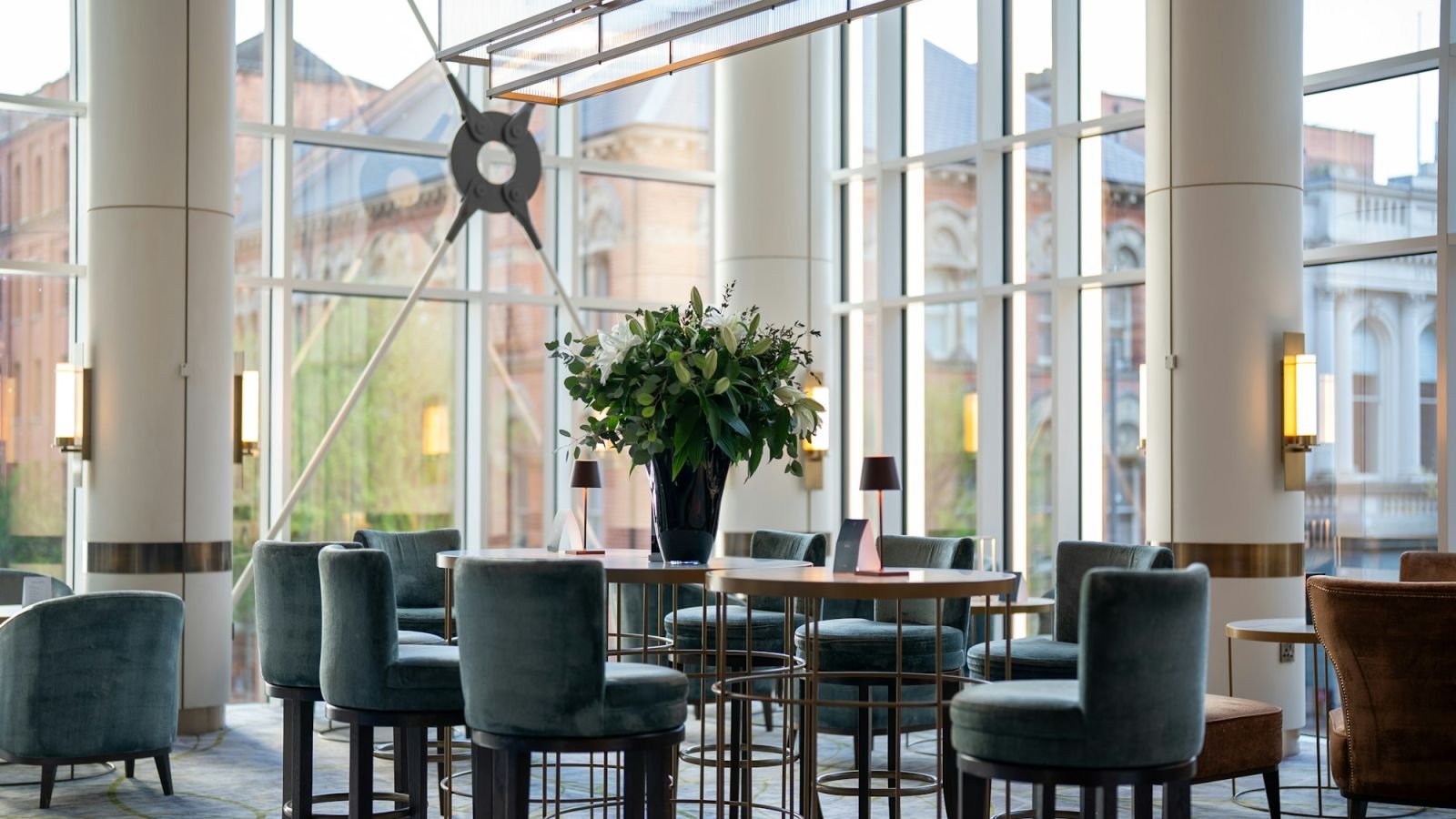
A dealership is two buildings in one. The showroom is retail: glass, polished floors, spotless vehicles, and a customer who is deciding whether to trust you with $40,000. The workshop is industrial: oil, grease, tyre debris, exhaust and safety hazards.
A car dealership cleaning programme has to run both regimes at once, with separate methods, separate equipment and often separate staff.
Key takeaways
- Showroom and workshop are different disciplines. Never share equipment between them.
- Showroom vehicles are the highest-value surfaces in the building — treat them as such.
- Workshop floors need degreasing, not mopping, and oil control is a safety issue.
- Customer facilities (washrooms, lounge, coffee bar, service reception) drive satisfaction scores more than the showroom does.
- Manufacturer standards may apply. Ask before changing methods or products.
The two regimes
| Showroom and customer areas | Workshop and service areas | |
|---|---|---|
| Priority | Appearance and brand impression | Safety, oil control, function |
| Floor method | Dust mop, damp mop, machine clean, polish | Degrease, scrub, oil absorbent |
| Frequency | Continuous during trading | Daily plus spill response |
| Risk | Customer perception | Slip, fire, chemical, injury |
| Equipment | Dedicated, colour-coded | Dedicated, heavy duty |
| Standard | High, brand-visible | Functional and safe |
Equipment must not cross between them. A mop used on a workshop floor carrying oil into a showroom creates a slip hazard and a brand problem simultaneously.
Showroom
The brand environment, and often subject to manufacturer audit.
- Spotless glass — the largest visible surface in the room, and a fingerprint magnet — critical
- Dust mop and machine clean hard floors; buff or polish on schedule
- Vacuum and spot clean carpets and mats at entrances
- Dust all vehicle display plinths, stands and turntables
- Clean and polish furniture, desks and counters
- Clean and disinfect customer touchpoints: desks, seating, tablets, door handles — critical
- Empty and clean waste and recycling
- Clean light fittings, signage and brand displays — critical (manufacturer standards often apply)
- Remove every footprint from the floor around display vehicles — critical
- Clean windows, glazing and internal partitions
- Never touch display vehicles unless specifically contracted and trained
Vehicles on display
- Treat as the customer's property, whether owned or not
- Only clean if the dealership confirms it is in your scope, and follow their direction
- Use only products approved for automotive finishes and interiors
- Never use a cloth that has touched a workshop surface
- Never touch or move vehicles
- Report any damage you notice rather than attempting to address it
Service reception and customer lounge
Where satisfaction is won or lost, and where customers wait.
- Clean and disinfect counters, desks and terminals — critical
- Wipe seating, arms and side tables — critical
- Clean coffee and refreshment areas to food-contact standards — critical
- Empty and clean bins and cup holders
- Clean glass, doors and interior partitions
- Mop and dry floors, including under seating — critical (slip risk)
- Clean and restock customer washrooms — critical
- Clean children's play areas if present — critical
- Sanitise shared devices, screens and kiosks — critical
Workshop and service bays
Industrial conditions with genuine safety exposure.
- Degrease floors before any wet cleaning — mopping oil simply spreads it — critical
- Apply oil absorbent to spills immediately and dispose of it correctly — critical
- Use an auto-scrubber on large bay floors where available
- Clean around and beneath lifts and hoists — never enter a pit or operate a lift — critical
- Clean workbenches and tool areas, working around equipment rather than moving it
- Wipe cabinet fronts, drawer handles and shared tool surfaces — critical
- Clean workshop sinks and parts-washer surrounds
- Empty and clean oil and fluid waste receptacles as directed — critical
- Keep walkways and marked pedestrian routes clear and dry — critical
- Clean bay doors, frames and glazing
- Report all fluid leaks on the floor as a fault, not just a cleaning task
Parts department and storage
- Sweep and mop floors, including under shelving where accessible
- Dust shelving, racking and stock areas
- Clean counters, terminals and customer collection points — critical
- Keep aisles and egress routes clear — critical
- Clean and straighten packaging and cardboard — critical (fire load)
- Report damaged racking or blocked extinguishers — critical
Washrooms and staff areas
- Clean and disinfect all fixtures — critical
- Clean and dry floors — critical
- Restock soap, towel, toilet paper — critical
- Clean change rooms, lockers and showers
- Clean staff canteens and break areas to food standards — critical
- Empty and clean bins
- Report damage and odour issues
Exterior and forecourt
- Sweep and clear litter from the forecourt and display areas
- Clean entrance glass, doors and frames
- Keep pedestrian routes clear of debris and fluid
- Clean signage, bollards and lamp posts
- Winter: remove salt and slush at entrances — critical. See front of house cleaning
- Report any oil or fluid contamination on the forecourt — an environmental issue
Chemical and fire safety
- Oily rags are a fire risk. Store in covered metal containers as the dealership directs — critical
- Never wash oil, coolant or fuel into a drain — critical (environmental offence)
- Confirm the workshop's chemical storage arrangements and never use their process chemicals
- Know the WHMIS labels for every product you use — see WHMIS for cleaners
- Keep solvent and flammable storage away from ignition sources
- Never smoke or use naked flames anywhere in the workshop
- Report damaged containers, spills or vapour smells immediately
Inspecting a dealership
Score these as critical:
- Showroom glass and floors presentable, with no footprints around vehicles
- Customer touchpoints clean and disinfected
- Washrooms clean, stocked and dry
- Lounge and refreshment areas clean to food standards
- Workshop floors degreased, walkways dry and clear
- Oil and fluid spills addressed and reported
- Aisles and egress routes clear
- Oily rags in covered containers
- No chemicals or equipment crossing between showroom and workshop
- Equipment clean and correctly assigned
For the method, see what a cleaning inspection is; for the oil and floor side, hard floor cleaning methods.
Frequently asked questions
How often should a car dealership be cleaned?
Customer-facing areas daily with continuous attention during trading hours, washrooms several times daily, the workshop daily with immediate spill response, and periodic deep cleaning of floors, glazing and high-level surfaces weekly to monthly.
Why must equipment be kept separate between showroom and workshop?
Because workshop equipment carries oil and grit that create slip hazards and mar finishes in the showroom. Colour-coded, dedicated equipment is the standard control, and it also protects the brand environment from contamination.
Can cleaning staff clean display vehicles?
Only if the dealership has specifically contracted it and provided direction and approved products. Automotive finishes and interiors are easily damaged, and display vehicles are high-value property. Never assume it is in scope.
How do you clean oil from a workshop floor?
Apply an absorbent to fresh spills immediately, then use a degreaser appropriate to the surface with proper dwell time, agitate, and remove the residue mechanically. Mopping alone spreads oil rather than removing it.
What are the main safety risks when cleaning a dealership workshop?
Slips from oil and fluid on floors, injury from vehicle lifts and moving vehicles, fire from accumulated oily rags, and chemical exposure. Never operate a lift, enter a service pit, or move a vehicle.
Two regimes, one standard
A dealership is judged on its showroom and kept safe by its workshop. The discipline is keeping the two completely separate while holding both to standard.
NeatScore lets you build separate showroom and workshop checklists with critical items enforced, record completion with photos, and show the dealership a dated record for manufacturer audits. Try it free for 7 days, or see pricing.