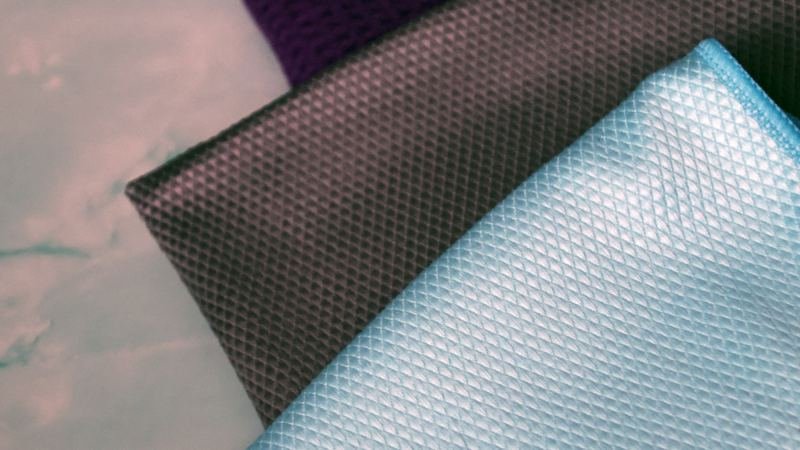
Carpet Tile and Modular Floor Care: Maintenance That Extends the Life
How to maintain carpet tile and modular flooring, covering daily vacuuming, spot removal, encapsulation and extraction cycles, rotation and replacement planning.
Carpet tile exists so that a floor can be maintained and repaired in pieces. That advantage only materialises if the maintenance programme treats tiles as individual units, with a plan for soil, for damage and for replacement.
Carpet tile and modular floor care is largely about the first metre and the daily pass. Get filtration, matting and vacuuming right and carpet tile in a commercial building can stay presentable for many years. Get them wrong and no amount of extraction will recover it.
Key takeaways
- Dry soil removal is the bulk of carpet maintenance. Vacuum frequency and quality matter more than any deep clean.
- Carpet tile can be rotated and replaced individually. That is its whole value, so plan for it.
- Act on spills immediately, and blot rather than rub. Rubbing sets stains and distorts pile.
- Excess water is the main enemy of tile backing and adhesive. Wet extraction done badly causes more damage than soil.
- Encapsulation and low-moisture methods let you clean occupied space with minimal downtime.
Why modular carpet behaves differently
Carpet tile is not broadloom cut into squares. The construction changes what you can and cannot do.
| Feature | What it means for maintenance |
|---|---|
| Individual tiles | Damage and wear can be addressed tile by tile |
| Directional pile and pattern | Tiles must be laid and replaced in the right direction and pattern |
| Backing systems | Vary widely; some tolerate moisture well, others do not |
| Adhesives | Some are permanent, some are tackifier or peel-and-stick |
| Pattern and colour variation | Replacement tiles may not match an aged floor exactly |
| Raised access floors | Tiles may sit over a plenum with cabling below |
| Modular resilient options | The same planning logic applies to LVT and modular resilient systems |
The general maintenance framework is in our commercial carpet cleaning guide, and the methods for deep cleaning in carpet extraction and encapsulation. What follows is specific to modular floors.
Soil control before cleaning
Carpet does not wear out from footsteps. It wears out from grit being ground into the pile by footsteps.
- Adequate entrance matting is the single highest-return investment in carpet life. Use enough length for several steps on the mat.
- Clean mats frequently, and dry them. A saturated mat deposits soil instead of removing it — critical
- Vacuum high-traffic lanes and entries daily, and the full floor at least weekly
- Use a vacuum with good filtration and a correctly adjusted height setting for the pile
- Never sweep carpet with a broom or use a hard-floor dust mop on it
- Keep the building's own filtration in mind: soil also arrives as airborne dust from HVAC and from construction nearby
- Protect the floor during works. Dust from renovation settles into pile and is very difficult to remove later.
The inspection fundamentals that cover matting, walkways and floor condition are in our janitorial inspection checklist, and renovation conditions in construction dust cleaning.
Daily and weekly maintenance
Daily
- Vacuum entries, corridors, reception, lift lobbies and any lane the client sees first
- Spot clean spills and marks immediately — critical
- Check for and remove gum, adhesive and tape residue
- Inspect for wet patches from leaks, plants and drink stations, and report leaks — critical
- Check tile edges and seams for lifting or curling, and report it
- Keep walkways clear, and sign any wet area — critical
Weekly to monthly
- Vacuum the full floor, including under and behind movable furniture
- Interim clean high-traffic lanes by encapsulation or a low-moisture method to keep appearance up between extractions
- Clean along skirting, edges and corners where soil accumulates and vacuum heads do not reach
- Clean and dry mats, and replace worn ones
- Check and clean plant saucers, water stations and any area with recurring moisture
- Rotate furniture layout where the client permits, to spread wear
- Record condition by zone with photos
Periodic
- Hot water extraction or a low-moisture deep clean on a schedule driven by traffic
- Plan rotation and replacement of worn or damaged tiles
- Review the extraction cycle against actual appearance, not the calendar
The routine frequencies across floor types are set out in our cleaning frequency chart and in periodic cleaning schedules.
Spots, stains and spills
Speed matters more than chemistry in most carpet incidents, and technique matters more than either.
- Blot, do not rub. Rubbing distorts pile, spreads the mark and can fuse it into the fibre — critical
- Remove solids first with a scraper or spoon, working from the outside of the mark inward.
- Identify the substance if you can. Water-based, oily, protein, dye and tannin stains need different treatments.
- Apply the treatment to a cloth, not directly to the carpet, and work from the edge of the mark toward the centre to avoid rings.
- Test in an inconspicuous area on any unfamiliar product or on any dyed or wool floor — critical
- Rinse and blot dry. Residue left in pile attracts soil and makes the spot reappear.
- Weight and dry. Place a clean absorbent pad and weight it where the mark is stubborn, then let it dry fully.
- Record it: location, substance, treatment and result, so a recurring mark can be traced to its source.
Report rather than act on anything biological: blood, vomit, sewage, or an unknown liquid. Body fluid clean-up is a trained, equipped procedure, not a spot treatment. Marks that reappear after treatment usually indicate a wicking problem from the backing or a subfloor issue, so report those too.
Scope note: Sewage, body fluid and mould remediation, subfloor repair, and any leak or plumbing repair are normally outside a cleaning contractor's scope. Confirm in writing what is included, and report rather than act on anything outside it.
Interim cleaning and extraction
Two different tools, two different jobs.
Interim or encapsulation cleaning. A low-moisture method that applies a product which crystallises around soil and is then removed by vacuuming. It uses far less water than extraction, dries quickly, and can be done in occupied space. It is the right tool for keeping appearance up between deep cleans and for large floors where downtime is not available.
Hot water extraction. The deeper clean, using heated water and a cleaning agent injected into the pile and immediately recovered. Effective, but the mistake rate is high.
- Do not over-wet the carpet — critical. Excess water reaches the backing and the adhesive.
- Use a wand or machine with good recovery, and make multiple dry passes
- Pre-treat and dwell before extracting, rather than relying on the rinse alone
- Avoid extraction on a raised access floor unless you know the water cannot reach the void, and never let water run into cable openings — critical
- Dry the area properly. Air movers and ventilation reduce the window, and damp carpet is a mould risk.
- Keep traffic off until dry, and sign the area — critical
- Report any damp patch that does not dry, which usually indicates a leak or a slab moisture problem
Extraction on a modular floor should be planned tile group by tile group so that at least part of the floor stays usable, which is one of the practical advantages of the format.
Pattern, rotation and replacement
This is the part of carpet tile maintenance that most programmes omit, and it is where the format pays for itself.
- Record the layout. Note the tile direction, pattern repeat and any quarter-turn or monolithic installation. Replacing a tile the wrong way round is immediately visible.
- Keep a stock of spare tiles from the original installation, ideally the client's, stored flat and dry. Aged tiles will not match new production.
- Rotate tiles from low-traffic areas such as under desks, perimeters and store rooms into worn lanes, where the installation and adhesive system allows.
- Replace individual tiles rather than patching or gluing over damage.
- Report water damage, delamination and backing failure rather than cleaning over them — critical
- Where damage is caused by a building defect, a leaking pipe or a heavy rolling load, document it with photos and dates. That record protects you from being blamed for it.
- Never lift tiles over a raised access floor to reach cabling unless it is explicitly in your scope — critical
Inspection and reporting
Score appearance and condition separately, by zone.
- Pile clean and free of visible soil in traffic lanes
- No standing spots, marks or residue rings
- Edges, seams and tile joints flat and intact
- No lifting, curling or delaminating tiles
- No damp patches or odour — reported if present
- Mats present, clean and adequate
- Walkways clear and any wet area signed
- Extraction or interim cleaning completed on schedule
- Spare tiles and layout record available
- Damage recorded, photographed and assigned
Condition records matter more on carpet than on any other surface, because wear is cumulative and visible. A dated baseline stops the current contractor inheriting the previous one's damage. The method is set out in what a cleaning inspection is, with the technical measurement side in how to measure cleaning quality.
Where this fits in the quality system
This sits under our how cleanliness levels are graded, which sets out the standard these checks are measured against.
Frequently asked questions
How often should carpet tile be deep cleaned?
It should follow traffic and appearance rather than a fixed calendar. Busy entries and corridors often need interim cleaning frequently and extraction at least annually, while light-use office areas may need extraction far less often. If the floor looks soiled again within days of cleaning, the problem is usually dry soil removal, matting or filtration rather than the extraction interval.
Can you replace individual carpet tiles?
Yes, and that is the main reason modular carpet is specified. Tiles are normally replaced individually, provided spares are available and the new tile is laid in the correct direction and pattern. The difficulty is colour matching against an aged floor, which is why keeping original spare tiles matters.
Why does a stain come back after cleaning?
Usually because the substance has wicked up from the backing or the subfloor as the carpet dried, or because residue left in the pile attracted new soil. Repeat the treatment with a clean rinse and dry it fully, and if it still returns, report a possible leak or subfloor issue rather than treating the surface again.
What is encapsulation cleaning and when should it be used?
It is a low-moisture method where a product is worked into the pile, allowed to crystallise around soil, and then removed by vacuuming. It dries quickly and suits occupied buildings and large floors where downtime is limited. It is ideal as interim maintenance between extraction cycles rather than as a replacement for them.
How do you clean carpet tile over a raised access floor?
Very carefully, and often with low-moisture methods rather than extraction. Water reaching the void below can damage cabling and equipment, so confirm the method with the facility first, protect cable openings, and never lift tiles to access the void unless that is explicitly in your scope. Where liquid is a risk, use interim cleaning.
Where this fits in the quality system
This sits alongside our commercial carpet cleaning guide, which sets out the standard these checks are measured against.
Modular floors reward record-keeping
Carpet tile is a floor you manage by the piece: which lanes are wearing, which tiles were replaced, when each zone was last extracted, and what the layout pattern is. Without that record, rotation and replacement become guesswork.
NeatScore lets you build carpet checklists by zone, flag critical items such as wet patches and lifting tiles, record condition with photos on an Android phone, and keep a dated history of interim cleans, extractions and replacements for the client. Try it free for 7 days, or see pricing.