End of Tenancy Cleaning Standards: Scope, Pricing and Disputes
How to define end of tenancy cleaning scope, price it honestly by condition tier, and document the evidence that settles damage and cleanliness disputes.
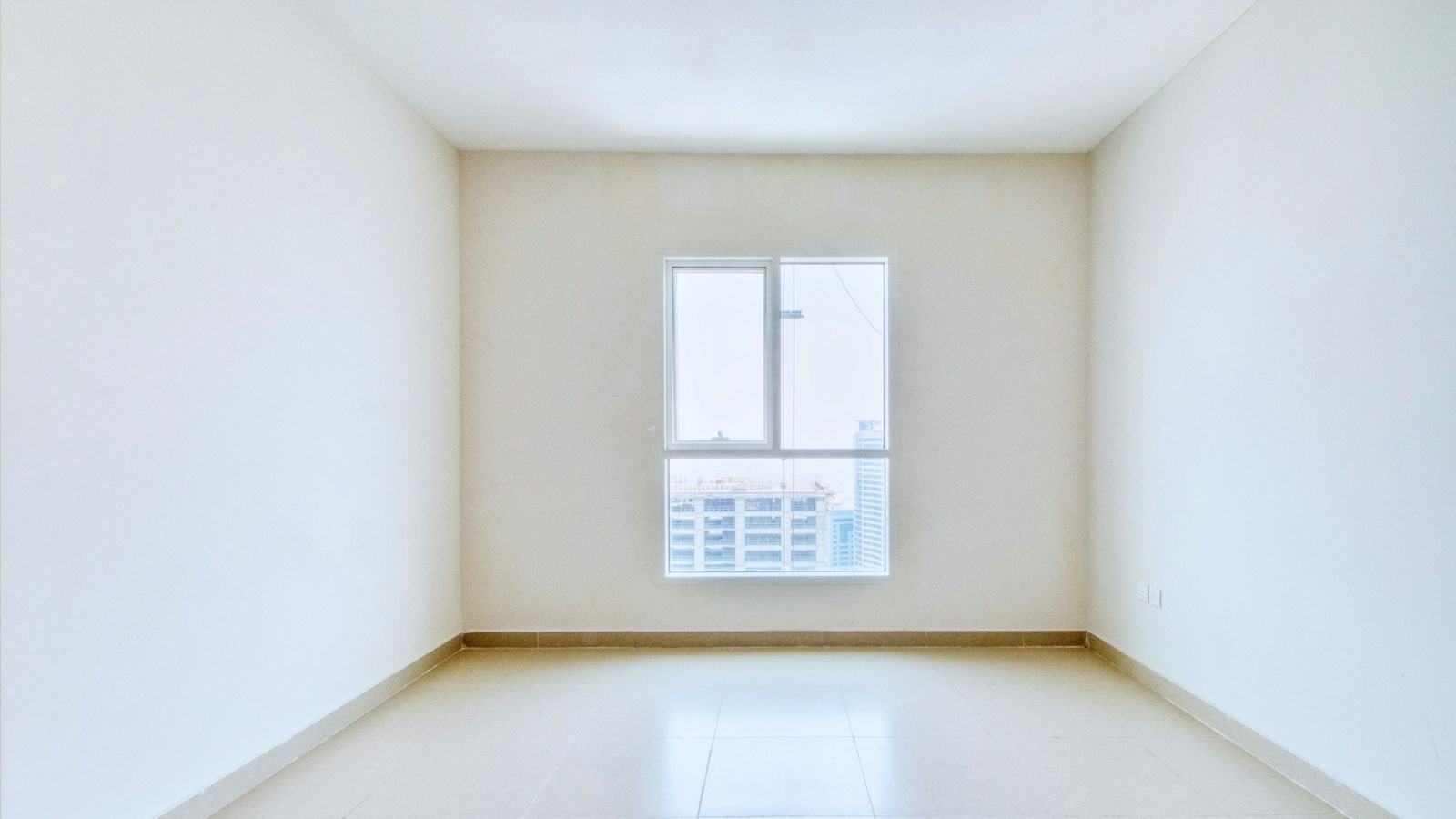
An end of tenancy clean is the only cleaning job where the customer, the payer and the person judging the result are often three different people. The tenant books it, the landlord or property manager inspects it, and the deposit or the management fee hangs on whether those two agree about what "clean" means. Most disputes are not about effort. They are about scope that was never written down.
End of tenancy cleaning work goes wrong in three predictable places: the scope, the price and the paperwork. Fix those three and the arguments mostly disappear.
Key takeaways
- Write the scope as a room-by-room list of surfaces and inclusions, not as a promise like "professionally cleaned"
- Separate cleaning from repair, restoration and waste removal in writing, before the job starts - critical
- Price by condition tier and access, not by square footage alone
- Record the condition on arrival with dated photos before a single cloth comes out - critical
- Document pre-existing damage, wear, odour and missing items in the arrival record, and send it the same day
- Where a specialist issue appears — pest activity, hoarding, mould, sharps, biohazards — stop and report - critical
What actually goes wrong
Three failure patterns account for most tenancy cleaning complaints.
The scope gap. The tenant assumed the balcony, the oven interior, the window exteriors, the garage or the storage locker were included. The landlord assumed they were too. Nobody wrote it down, so both are right.
The price surprise. The unit was quoted from a description, and the description was optimistic. The crew arrives to grease, pet odour, cigarette residue and three bags of abandoned property.
The evidence gap. The clean was genuinely good, but nobody photographed the unit before or after. Two weeks later the manager finds a mark and there is no record to show whether it was there before.
Each is a documentation problem disguised as a cleaning problem. The apartment turnover cleaning process covers the unit-turn sequence itself; what follows is about scope, pricing and evidence.
Define the scope in writing
A usable scope is a list of rooms, and under each room a list of surfaces with a clear statement of depth. Words like "deep clean" or "professionally cleaned" have no meaning in a dispute because they have no defined pass condition.
Every scope should state, explicitly, whether it includes each of the following.
| Item | Include? | Notes |
|---|---|---|
| Oven interior and racks | Yes / No | The single most common dispute item |
| Fridge and freezer interior | Yes / No | Include defrost and drip tray if the unit is off |
| Inside cupboards and drawers | Yes / No | State whether empty or to be emptied |
| Interior windows and tracks | Yes / No | Exterior glass is usually excluded above ground floor |
| Balcony, patio or yard | Yes / No | Sweep only, or wash down, or neither |
| Garage, parking space, storage locker | Yes / No | Frequently forgotten and frequently disputed |
| Common areas of the building | Usually No | Belongs to the building contract |
| Carpet steam or extraction | Yes / No | State whether spot treatment or full extraction |
| Blinds, curtains, tracks | Yes / No | State whether dusted, washed or excluded |
| Light fittings and shades | Yes / No | State ladder access and any height limit |
| Heating and air vents, grilles | Yes / No | Surface clean only, no duct work |
| Waste removal and abandoned property | Usually No | Price separately, and only with written approval |
| Paint touch-ups, repairs, replacements | No | A trade, not cleaning |
| Pest treatment, mould remediation | No | Licensed work - critical |
Two lines on that table prevent more arguments than any amount of aftercare: say plainly what is not included, and require written approval before any extra.
Scope note: Pest treatment, mould remediation, hoarding and extreme cleaning, sharps and biohazard removal, and all repair or restoration work are normally outside a cleaning contractor's scope. Confirm in writing what is included, and report rather than act on anything outside it.
Price by condition tier, not by size alone
Square footage tells you how long a clean unit takes. It tells you nothing about a unit that has been smoked in for four years. A defensible pricing model has four inputs: base time from unit size, a condition multiplier from the arrival assessment, access and logistics such as parking and elevator booking, and contingency for waste removal or a return visit.
| Condition | Typical indicators | Time against baseline |
|---|---|---|
| Light | Unit left tidy, normal dust, floors cleanable in one pass | 1.0x |
| Standard | Appliances soiled, washrooms used, marks and scuffs | 1.5x |
| Heavy | Grease, stains, odour, cigarette residue, property left behind | 2.0-2.5x |
| Extreme | Hoarding, waste, pest evidence, biohazards, sharps | Stop and quote |
A written quote should state the tier assumed, the time allowed, and what happens if the arrival condition is worse. That last clause is the only protection against the job that ruins the week, and it is far easier to agree before the work than after.
Assess the unit before you quote it
Wherever practical, attend the unit, or have the tenant send a specific set of photographs: kitchen with cupboards and appliances open, each washroom, each bedroom, floors, balcony, and any damage. At the assessment, record the overall condition tier, any damage or defect, any odour, and any item that needs a decision from the manager before work starts. Send that record the same day; it becomes the baseline the completion record is compared against.
Cleaning, damage and fair wear and tear
The disputes that end up in front of a tenancy authority are rarely about dust. They are about the line between cleaning and damage. A cleaning contractor should describe what they can see, not what they conclude.
| Finding | Cleaning treatment | Not cleaning |
|---|---|---|
| Soap scum and hard water scale | Descale and disinfect | |
| Grease film on cabinetry | Degrease and polish | |
| Food residue in an oven | Clean interior, racks and door glass | |
| Cigarette staining on walls | Wash what the finish allows | Repainting or sealing |
| Burns, gouges, chips in surfaces | Repair or replacement | |
| Cracked tiles, failed silicone | Repair | |
| Water staining or soft flooring | Investigation and remediation | |
| Pet or urine odour in underlay | Surface treatment only | Carpet or underlay replacement |
| Threadbare or stretched carpet | Replacement | |
| Mould on grout or behind fixtures | Remediation - critical |
That right-hand column is longer than most contractors expect. A cleaning contractor's value in a dispute is the ability to say, with evidence, "this is what the surface looked like when we arrived, this is what we could remove, and this is what remains." That statement is only credible with dated photographs.
The arrival and completion record
The record is the product. Build it once and use it on every tenancy.
On arrival, before any cleaning:
- Photograph every room from the doorway and at least one close-up of each defect
- Photograph appliance interiors, inside cupboards, window tracks and the balcony
- Note the meter readings and whether utilities are connected, if the contract covers it
- Note items left behind and their location; remove nothing without written approval
- Note odour, damp, staining, pest evidence and any safety concern - critical
- Note the condition tier you are working to, and send the record to the manager
On completion:
- Photograph the same views from the same positions
- Score each room against the agreed checklist and record the result
- List anything that could not be cleaned, with the reason, in plain language
- Send the completion record before the manager's walkthrough, not after
Keeping the arrival and completion sets together matters, because a single record without its comparison is worth little. What makes a photograph usable is consistency: same position, same framing, same lighting where possible, and a date attached. The same evidence discipline is what makes a building inspection for facility managers useful rather than decorative.
Handling a dispute after the fact
When a manager or a tenant disputes the standard, resist the urge to argue about effort. Follow a sequence.
- Ask for the specific item and location. "The unit wasn't clean" cannot be answered; "the oven door glass has residue" can
- Re-inspect the same area yourself and compare against your completion record
- Distinguish the categories: was the item in scope, out of scope, or a defect rather than soil?
- Offer a defined remedy where you are responsible: a return visit with a named date and scope
- Escalate the out-of-scope items in writing to the manager as repair or specialist work
- Record the outcome, including the category, so the same argument does not recur
Most disputes are resolved at step three, because the answer is usually that the item was never in the quoted scope.
Not regulatory advice. Tenancy cleaning obligations, deposit rules and dispute processes are set by provincial residential tenancy legislation and enforced by provincial tenancy authorities. CCOHS publishes general workplace safety guidance, but confirm tenancy specifics with your provincial regulator and follow the property manager's own procedures.
Where this fits with the rest of the portfolio
A tenancy clean is a project, and the evidence it produces should outlive the job. If the same unit reports the same failing silicone line, the same sticking window or the same recurring odour at every change of tenancy, that is not a cleaning issue any more. It is a maintenance item, and tracking it across a portfolio is what makes deficiency tracking worth the effort. For portfolio-level pricing comparisons, the same tiering logic applies as in commercial cleaning prices per square foot.
Where this fits in the quality system
This sits under our the master inspection checklist, which sets out the standard these checks are measured against.
Frequently asked questions
What should an end of tenancy cleaning scope include?
A room-by-room list of surfaces with the depth stated for each, plus an explicit list of exclusions. State your position on oven and fridge interiors, inside cupboards, interior windows and tracks, balcony, garage and storage, carpet extraction, waste removal, and repair work.
How do you price end of tenancy cleaning?
Price from base time by unit size, a condition multiplier from an arrival assessment, access and logistics factors, and a contingency for waste or specialist work. Quote the assumed condition tier in writing so a worse unit can be re-quoted rather than absorbed.
What is the difference between cleaning and fair wear and tear?
Cleaning removes soil and residue that has accumulated on a surface. Wear and tear, damage and deterioration are changes to the surface itself, such as burns, chips, failed sealant or threadbare carpet, and those are repair items.
How do you prove the unit was cleaned to standard?
With a dated arrival and completion photo set taken from consistent positions, a scored room-by-room checklist, and a written list of anything that could not be cleaned and why. Send both records before the manager's walkthrough.
What should a cleaner do if the unit has pest or biohazard issues?
Stop work in that area, avoid disturbing it, photograph what you found, and report it to the property manager. Pest treatment, mould remediation and biohazard removal are specialist activities outside a cleaning contractor's scope.
Make the tenancy clean defensible
Tenancy work is judged by someone who did not see the unit before you started. The contractor with a written scope, a condition-based price and a dated photo record wins that conversation, and wins the next one when the same manager has another unit to turn.
NeatScore lets you build area-specific checklists with critical items flagged, record completion with photos, and keep a dated report your client can trust. Arrival and completion records for each unit stay attached to the property, ready when a deposit question arrives months later. Try it free for 14 days, or see pricing.