Museum and Gallery Cleaning: Conservation-Safe Methods
How to clean museums and galleries safely, covering conservation-sensitive surfaces, display cases, visitor areas and the boundaries between cleaning and conservation.
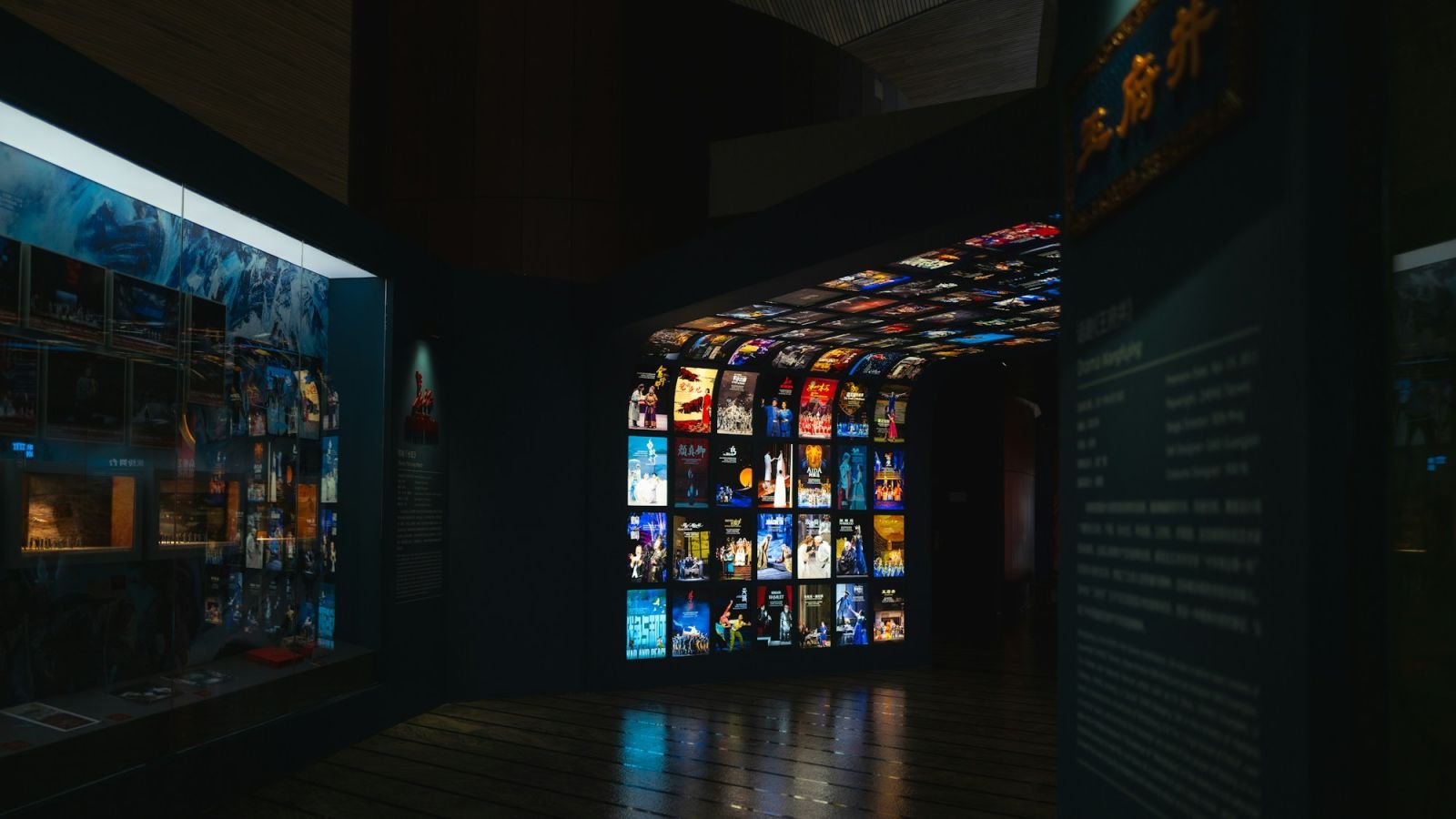
A museum is a building where the contents cannot be replaced. That single fact determines the cleaning method: everything is done to protect the collection first, and to look clean second.
Museum cleaning is therefore the most restrained cleaning there is. The right answer is frequently "do not touch it, and report it."
Key takeaways
- Conservation governs the method. When in doubt, do not clean it — report it.
- Display cases, plinths, frames and mounts are usually out of scope entirely.
- Dry methods first, always. Water and chemicals damage objects and finishes.
- Dust control protects the collection; it is the main cleaning objective in galleries.
- Visitor areas — entrances, washrooms, cafés, cloakrooms — are cleaned to normal public standards.
The boundary: cleaning versus conservation
This line must be agreed in writing before work starts.
Usually the cleaning scope:
- Floors, walls, ceilings and general surfaces of public and staff areas
- Entrances, washrooms, cloakrooms, cafés, shops and offices
- Interior glass and screens not part of a display
- Stairs, handrails, lifts and circulation
- Waste and recycling
- Dust control on open architectural surfaces within reach
Usually conservation or specialist scope:
- Objects, artworks, textiles, documents, natural history specimens
- Display cases, vitrines, mounts and plinths
- Frames, gilding, painted surfaces and historic finishes
- Anything behind glass, rope or a barrier
- Storage rooms, strongrooms and collection stores
- Specialist surfaces: stone, metal, taxidermy, textiles, archaeological material
Never cross that line on assumption. One wet cloth on an untreated surface can cause irreversible damage — see commercial cleaning contract template for how to write the exclusion.
Gallery and exhibition floors
- Vacuum or dust mop gallery floors with appropriate equipment — dry methods only
- Use HEPA-filtered vacuums; ordinary vacuums exhaust fine dust onto objects
- Clean floors around plinths and cases without touching them — critical
- Keep barriers, ropes and stanchions clean, upright and in place — critical
- Never move, lean on or reach across a plinth, case or barrier — critical
- Dust architectural ledges, skirtings and non-collection surfaces
- Clean glazing that is not part of a display, per instruction
- Report any dust accumulation on objects rather than removing it — critical
- Report pest evidence immediately — critical (museum pests cause serious loss)
- Report humidity, condensation or water ingress — critical
Display cases and vitrines
- Assume out of scope unless the museum explicitly says otherwise — critical
- Clean exterior glass only where authorised, using the specified method and cloth
- Never open, move, adjust or lean anything against a case — critical
- Never clean case interiors, mounts, lighting or environmental sensors
- Report fingerprints, dust inside a case, condensation or damage — do not intervene
Entrances and visitor areas
Cleaned to normal public-building standards, and these drive visitor impressions.
- Spotless entrance glass and doors — critical
- Clean and disinfect handles, push plates and turnstiles — critical
- Clean floors and matting; continuous attention in wet weather — critical
- Clean and disinfect ticket desks, scanners, kiosks and audio guide stations — critical
- Clean signage, screens and information points — critical
- Clean seating, benches and touch interactives as instructed — critical where interactive
- Empty and clean bins
- Keep cloakroom, buggy park and accessible routes clear — critical
Washrooms, cafés and retail
- Clean and disinfect washrooms fully — critical
- Clean and dry floors — critical
- Restock all consumables — critical
- Clean café and retail areas to food-premises standards — critical. See food safety cleaning
- Clean and disinfect café tables, chairs, counters and condiment stations — critical
- Clean and restock retail counters and shelving
- Empty and clean bins and food waste
- Report pest evidence immediately
Security and closed areas
- Collection stores, strongrooms and conservation studios are strictly off limits unless contracted, authorised and escorted — critical
- Never open cabinets, drawers or storage without authorisation
- Never move or handle collection material
- Report unlocked doors, alarms or security concerns to the museum
- Follow entry, alarm and out-of-hours procedures exactly
Methods that protect collections
- Dry before wet. Always.
- HEPA filtration vacuums for all gallery floors and dusting
- Microfibre, barely damp for hard surfaces away from objects
- No aerosols, no sprays, no strong odours in gallery spaces
- Test any product in an inconspicuous area, and only on non-collection surfaces
- No water near plinths, cases or objects — critical
- Never use abrasive pads or strong chemicals on historic finishes
- Report rather than improvise. This is the single most important rule in museum cleaning
Inspecting a museum
Score these as critical:
- Gallery floors clean with dry methods only, clear around plinths and cases
- Barriers, ropes and stanchions clean and in place
- No dust left on objects, cases or mounts; none touched
- No pest evidence anywhere
- No condensation, water ingress or humidity concerns unaddressed
- Entrance glass, turnstiles and kiosks clean and disinfected
- Washrooms clean, stocked, dry and odour-free
- Café and retail areas clean to food standards
- Egress routes and accessible paths clear
- Restricted areas untouched and secured
- Records completed, observations reported
For the method, see what a cleaning inspection is.
Frequently asked questions
Can cleaning staff dust museum objects?
Generally no. Objects, cases, mounts and frames are normally conservation or specialist scope. Cleaning staff should dust architectural and public surfaces, and report dust on objects rather than removing it.
Why are dry methods preferred in museums?
Because water and chemicals can cause irreversible damage to objects, finishes and historic materials, and moisture leads to mould. Dry methods with HEPA filtration control dust — the main cleaning objective — without introducing that risk.
How do you clean a museum display case?
Only the exterior glass, only where the museum authorises it, and only with the specified method and materials. Cases should never be opened, moved or leaned against by cleaning staff.
What should cleaners do about pests in a museum?
Report evidence immediately and do not attempt treatment. Museum pests — including some insects that attack textiles, paper and natural history material — can cause rapid and serious collection loss.
What is the biggest risk in museum cleaning?
Touching something that should not have been touched. A single inappropriate cloth or product can irreversibly damage an object, which is why the governing rule is to report rather than to improvise.
Do no harm
Museum cleaning is judged on what was left untouched and correctly reported. The public areas are cleaned to full standard; the collection is protected by restraint.
NeatScore lets you build gallery and public-area checklists with scope and no-touch items flagged critical, record observations with photos, and keep a dated record the museum can audit. Try it free for 7 days, or see pricing.