Commercial Restroom Cleaning Checklist (Step by Step)
A step-by-step restroom cleaning checklist for commercial washrooms: the right order, daily and weekly tasks, supplies, and how to inspect the result.
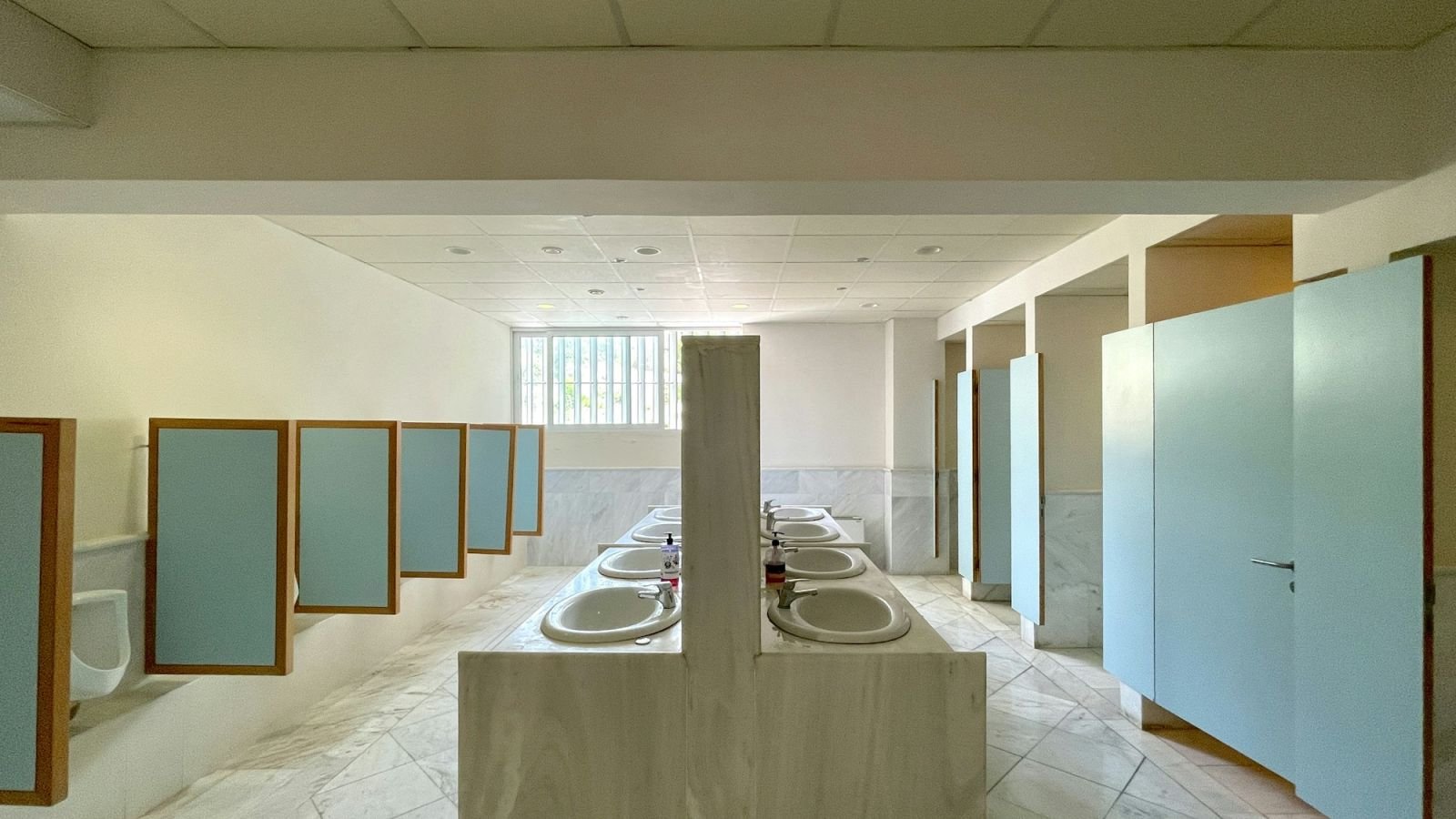
A restroom cleaning checklist sets out every task in a commercial washroom, in the right order, from restocking to disinfecting fixtures to mopping the floor last. Washrooms create more complaints than any other area, so a clear checklist, followed every visit, protects both health and your contract.
Key takeaways
- Clean from high to low and from cleanest to dirtiest, and mop the floor last.
- Clean surfaces before disinfecting, and leave the disinfectant wet for the full contact time on the label.
- Use separate, colour-coded cloths for toilets and for sinks.
- Inspect washrooms every week and treat toilets, sinks, supplies and floors as critical items.
Why commercial restrooms need their own checklist
A washroom can look fine at a glance and still fail: an empty soap dispenser, a stained urinal base or a smell near the drain is enough for a complaint. A restroom cleaning checklist makes sure the same steps happen every time, whoever is cleaning. It also gives supervisors a clear list to inspect against.
Supplies you need
- Colour-coded microfibre cloths (for example, red for toilets and urinals, yellow for sinks and counters)
- Toilet bowl cleaner and bowl brush
- Neutral cleaner and a disinfectant registered for use in Canada (with a DIN)
- Glass cleaner
- Mop, bucket or flat-mop system and wet floor signs
- Gloves and eye protection, as listed in the product's safety data sheet
- Refills: toilet paper, paper towel, soap, seat covers and liners
Restroom cleaning checklist: step by step
Following the same order every time prevents spreading dirt back onto clean surfaces.
- Put out a wet floor sign and prop the door open or turn on the fan for ventilation.
- Put on gloves and any eye protection the product label requires.
- Empty all bins and sanitary bins, replace liners and wipe bin lids.
- Restock toilet paper, paper towel, soap and seat covers so nothing runs out before the next visit.
- Apply toilet bowl cleaner under the rim and let it work while you do other tasks.
- Dust high areas: vents, ledges, the tops of partitions and light fixtures.
- Clean mirrors and glass with glass cleaner.
- Clean sinks, taps and counters, then apply disinfectant and leave it wet for the label's contact time.
- Clean dispensers, hand dryers, door handles and push plates, the high-touch points.
- Clean partitions and doors, including locks and hooks, and remove any graffiti.
- Clean toilets and urinals last among the fixtures: scrub bowls, then clean seats, hinges, handles, the outside of the bowl and the base, and disinfect.
- Spot clean walls and tile around sinks and urinals.
- Sweep, then mop the floor, working from the far corner towards the door, including behind toilets and around drains.
- Check the result: smell, stock levels, and a final look from the doorway.
Next, remove the sign only once the floor is dry.
Daily vs weekly vs monthly restroom tasks
| Frequency | Tasks |
|---|---|
| Every visit (daily) | Restock, empty bins, clean and disinfect fixtures, mirrors, high-touch points, mop floor |
| Weekly | Scrub grout and wall tile, descale taps and fixtures, clean partitions fully, pour water into floor drains to stop odours |
| Monthly | Machine-scrub floors, clean vents and light fixtures, deep clean behind and under fixtures |
Busy washrooms in malls, schools or food courts also need daytime checks every 1 to 2 hours.
Cleaning vs disinfecting in washrooms
Cleaning removes dirt and most germs; disinfecting kills the germs that remain. According to the CDC's guidance for facilities, you should clean a surface first, then keep the disinfectant wet for the entire contact time. In Canada, hard-surface disinfectants need a Drug Identification Number, and Health Canada's disinfectant monograph notes that contact times are typically several minutes. Read more in cleaning vs sanitizing vs disinfecting.
Restroom cleaning checklist for high-traffic washrooms
Malls, airports, schools, stadiums and food courts need more than one clean a day. For these washrooms, add a short check-and-refresh round every 1 to 2 hours:
- Check and refill soap, toilet paper and paper towel.
- Pick up litter and empty bins that are more than two-thirds full.
- Wipe sinks, counters and mirrors.
- Check toilets and urinals, and flush and spot-clean where needed.
- Spot-mop spills and put out a wet floor sign.
- Sign a visible log sheet or scan a QR code, so users and supervisors can see when it was last checked.
Then complete the full restroom cleaning checklist at least once a day, usually after closing.
How to inspect a restroom
A restroom cleaning checklist is only as good as the inspection that follows. So, score each washroom from 1 to 5 using the APPA cleaning standards, and mark these items as critical:
- Toilets and urinals
- Sinks and counters
- Soap, paper and towel stock
- Floors and drains
- Odour
If any critical item is rated Level 4 or 5, the washroom fails, even if the average looks good. Photograph the problem, assign a fix and re-check it. Our guide on how to do a cleaning audit covers the full process.
Common restroom cleaning mistakes
- Using the same cloth for toilets and sinks
- Wiping disinfectant off before the contact time is up
- Mopping before cleaning fixtures, so drips land on a clean floor
- Forgetting partitions, door handles and dispensers, the most-touched surfaces
- Letting floor drains dry out, which causes sewer odours
- Mixing products; never combine bleach with ammonia or acidic cleaners
Frequently asked questions
What is the correct order for cleaning a restroom?
Restock and empty bins first, then clean from high to low and from cleanest to dirtiest surfaces: mirrors, sinks, touch points, partitions, toilets and urinals, and finally the floor.
How often should commercial restrooms be cleaned?
At least once a day, with extra checks every 1 to 2 hours in busy public washrooms. Deep tasks such as grout scrubbing and descaling are usually weekly.
What should a restroom cleaning checklist include?
It should include restocking, emptying bins, cleaning and disinfecting fixtures and touch points, mirrors, partitions, walls, floors and drains, plus safety steps such as wet floor signs and PPE.
Why does a clean washroom still smell?
Common causes are dry floor drains, urine build-up around urinal bases and behind toilets, and grout that needs scrubbing. Pour water into drains weekly and clean fixture bases thoroughly.
Keep every washroom at Level 2
A consistent restroom cleaning checklist, followed by regular scored inspections, is the simplest way to cut washroom complaints. NeatScore includes a ready-made washroom checklist with critical items built in, so supervisors can score a washroom in minutes and share photo-backed reports. Start your free trial.