Vulnerable Residents Housing: Care With Clear Boundaries
Managers can support residents with health or social needs without assessing them. Here is the boundary, the practical help, and who to escalate to next.
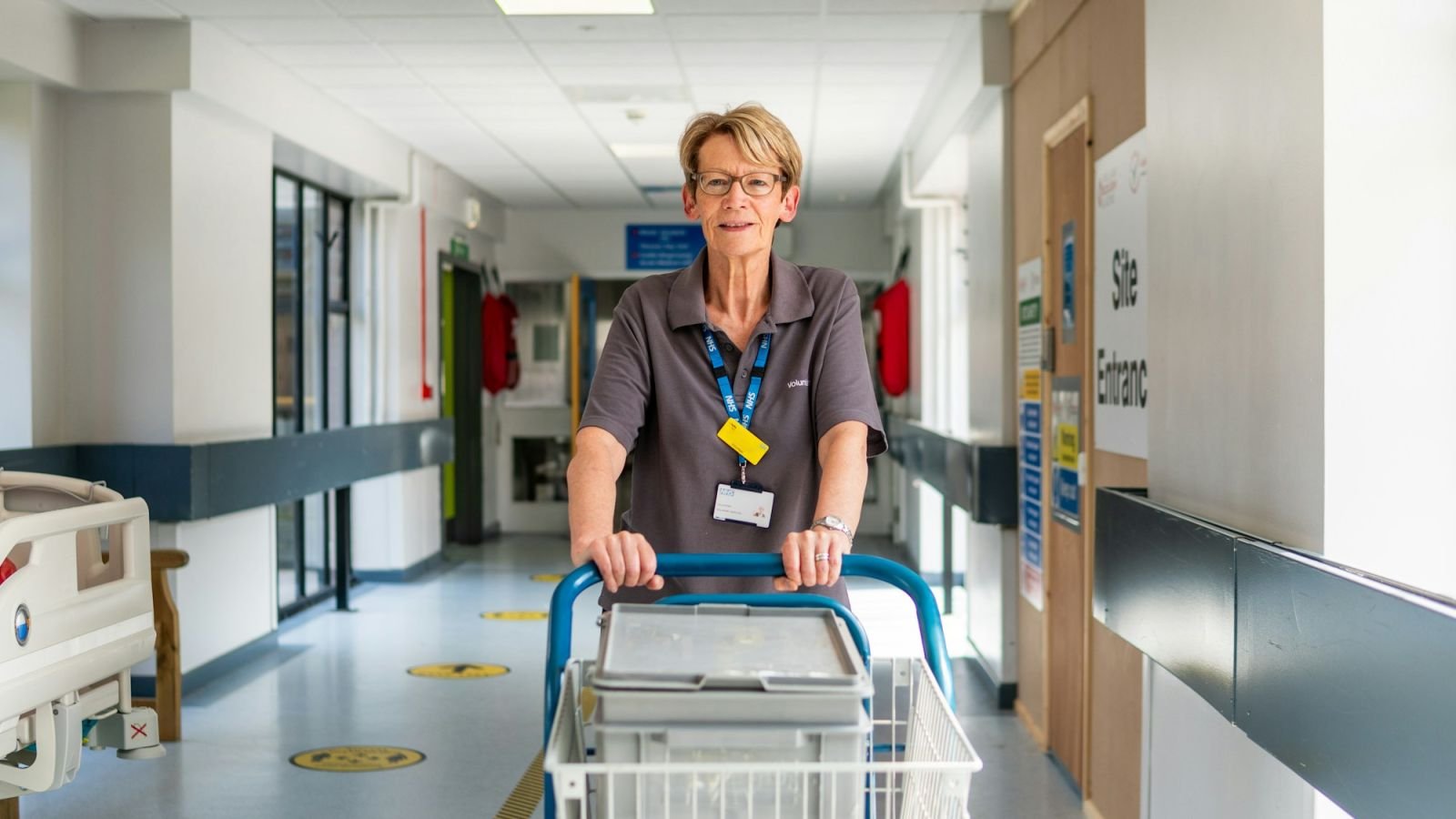
Vulnerable residents housing is not a care setting, and a property manager is not a care worker. That distinction is the whole job. A resident may be older, living with a disability, managing a mental illness, recovering from surgery, newly bereaved, or dealing with a situation nobody has disclosed. The manager's contribution is not to work out which — it is to keep the building safe, keep the tenancy functioning, and connect the person to services that are actually equipped to help.
Managers who blur that line cause harm in both directions: they miss building risks, or they make informal judgements about capacity that later appear in a file and cannot be defended.
Key takeaways
- Support is practical, not clinical: information, access, communication and a referral — never an assessment.
- Record what you observed about the building and the request, not what you inferred about the person.
- Two building risks override everything else: blocked egress from hoarding and loss of heat or hot water — critical
- Know four numbers before you need them: 211, the local health authority, adult protective services, and emergency services.
- Accommodation requests are routed, not adjudicated. The decision-maker is the owner, with legal advice.
What does vulnerable residents housing require of a manager?
It requires three things, in order of priority: life safety, continuity of the tenancy, and connection to services.
Life safety means the unit can be evacuated, the heat works, and the building's systems do what the fire plan assumes. Continuity means rent, access and communication keep working, including when the resident cannot manage them the usual way. Connection means the resident knows where to get help and, where appropriate, that someone with the resident's consent has been contacted.
What the role does not include: deciding whether a resident is capable, deciding whether their situation is genuine, providing personal care, or standing in for a social worker, nurse or physician. Those are regulated or professional functions. A manager who starts performing them is working outside the role and, in a dispute, without protection. This is the care-and-boundaries edge of the system described in tenant relations in property management.
Where the manager's role stops
Separate what you do from what belongs elsewhere. Keep the table where staff can see it.
| Situation | Manager does | Manager does not do |
|---|---|---|
| Resident seems confused or unwell | Asks if they need help now, offers 211, records the observation | Assess capacity, diagnose, or contact family without consent unless there is immediate risk |
| Unit is unsafe or hoarded | Inspects with proper notice, photographs conditions, escalates to fire or health authority | Clear the unit, dispose of belongings, or declare it unfit |
| Resident asks for a unit modification | Records the request, asks what barrier it removes, routes it for decision | Decide whether the need qualifies |
| Resident cannot manage stairs during an outage | Offers practical options, documents the need in the fire plan | Carry a resident or promise personal assistance |
| Neighbour reports concern | Takes the report, checks on the resident, documents | Discuss one resident's circumstances with another |
The pattern is consistent: observe, record, offer the practical step, route the rest. That posture is the version of help a manager can actually deliver and sustain.
The four supports you can provide directly
Managers often feel they have nothing to offer. Four practical supports prevent a large share of crises, and all sit inside a building manager's authority. The first two are safety-critical.
- Written information that survives the conversation. A one-page sheet with 211, the local health authority, 911, and the building's own contact line. Give it at move-in, not at the moment of crisis — the same principle behind the resident handbook — critical
- Access that works. Keys, fobs, entry phones, elevator access and a way to receive a delivery or a worker. Access failures isolate residents faster than any other building problem — critical
- Communication they can use. Large print, plain language, a phone call rather than an app notification, and a named human who answers.
- A referral that lands. Asking "would you like the number for 211?" and, if the answer is yes, making the call with the resident present.
211 is the practical starting point for most referrals in Canada: a free, confidential service that routes people to community and government services.
Recognising a change without diagnosing it
Managers notice things before anyone else: mail accumulating, blinds closed for weeks, a unit that used to be tidy, a resident who stops answering the door, a smell in the corridor. That is legitimate building observation and belongs in the building record.
Write what you saw, when you saw it, and what you did. "On 12 March, three parcels and two weeks of flyers in the door alcove, no answer to two knocks, no answer to the phone" is an observation. "Resident appears to be declining" is a clinical judgement you are not qualified to make and cannot defend.
Where the observation points to a safety risk, the building process takes over. Hoarding is the clearest example — critical. Blocked egress, overloaded outlets, combustible material against a heat source and obstructed sprinkler heads are fire risks, not lifestyle choices. Inspect with proper notice under your province's rules, photograph the condition, and escalate to the fire service or the health authority. Do not start clearing the unit. The access and entry protocols govern how the inspection is conducted; the fire authority governs what happens to the contents.
Privacy: what to record, what to share
Record the minimum needed to protect resident and building. That usually means the request as stated, the practical action taken, the referral offered, and the date. It does not include diagnoses, medication, immigration status, or family detail.
Sharing follows a need-to-know test. A contractor repairing a bathroom needs to know the resident uses a mobility aid and needs 48 hours' notice, not why. A fire officer needs to know the egress route is obstructed, not the resident's medical history. When a resident asks that something stay confidential, say plainly what you can keep private and what the building may be obliged to act on.
Where a resident wants a family member or support worker involved, get that in writing, with a name and a scope.
Making a referral that actually connects
A referral fails when it is a phone number handed over at the end of a difficult conversation. Three habits make it work.
Make it specific. "Call 211 and ask for the seniors' support programme in this region" beats "you should call someone".
Offer to make it together. Many residents will accept a call made in their presence and decline one made on their behalf. Standing in the lobby while they speak is often enough.
Follow up once. A short, dated note that asks whether the referral connected is a building record, not a welfare check. If the resident declines help, record the offer and move on.
For immediate risk to life, the sequence is emergency services first and documentation second — critical. Where the concern is suspected abuse or neglect of an older adult, route it to adult protective services or the local police service's non-emergency line rather than handling it inside the building.
Emergencies and residents who cannot self-evacuate
Fire plans assume people can leave. Where a resident cannot, the building needs to know before the alarm, not during it. That means asking, at move-in and at each renewal, whether the resident needs assistance to evacuate — and recording the answer, including "prefers not to say".
Two obligations sit here and they are different. The building must have a fire safety plan that reflects its actual occupants; that is a fire-code matter for the owner, and the manager supplies the information. The manager must not promise personal rescue. A promise of assistance that cannot be kept during an alarm is worse than no promise, because it changes a resident's plan.
Where a resident needs help and no household member can provide it, the correct route is the fire service and the owner's fire-safety plan, not an informal arrangement with staff. Review the assistance list annually. The general sequence for reaching residents during an incident is set out in communicating in building emergencies.
When a request becomes an accommodation request
Requests connected to disability, age, family status or creed arrive as practical questions: a closer parking space, a different rent due date, a ramp, a quiet unit, a support animal. The manager records the request, asks what barrier it removes, and routes it.
The decision is the owner's, with legal advice where the duty to accommodate is engaged. That duty is real and it is not discretionary, but the analysis is specific and depends on jurisdiction, cost and evidence — which is why the manager should never answer it in the hallway. The Canadian Human Rights Commission publishes material on accommodation and housing that is useful for briefing staff on where the line sits.
Two errors are common: refusing quickly because the request sounds expensive, and granting informally without a record. A short written acknowledgement, an interview date and a decision timeline are the difference between a managed request and a complaint.
Frequently asked questions
What is a vulnerable resident in a building context?
Someone whose health, age, disability or circumstances make them less able to manage the tenancy or to evacuate safely. The building does not need a label to act; it needs observations, practical supports and a referral route.
Should a manager contact a resident's family?
Only with the resident's consent, or where there is immediate risk to life. Consent should be written, with a name and a scope. Contacting family to "check on" a resident without consent is a privacy breach.
What if a resident refuses all help?
Record the offer, the date and the refusal, keep the practical supports available, and continue routine building contact. Escalate only on safety grounds: fire risk, no heat, immediate danger.
Can we require a resident to accept support?
No. Tenancy is not conditional on accepting services. Where a safety risk exists — blocked egress, unsafe conditions — the building addresses the risk through its own process and the fire or health authority, not by conditioning the tenancy on cooperation.
How long should we keep support-related records?
Keep the building record and the referral log, and purge clinical detail you never needed to hold. A practical rule is to keep dated entries that explain an action taken for as long as the tenancy lasts, and to collect nothing a future reader would have to interpret.
Make the building record support-safe
Start with the unit that worries you most: check the egress path, confirm the heat and hot water work, update the evacuation-assistance list, and put the referral sheet in the lobby. Then record what you did, with dates. NeatScore supports the inspection side — area-level checklists, APPA 1–5 scoring, photos per item, critical items flagged, offline inspections that sync and branded PDF reports the owner can review. Try it free for 14 days, or see pricing.
Not legal advice. Accommodation duties, entry rules and the grounds for ending a tenancy are set by provincial human rights and tenancy law. This article describes a manager's support and documentation role only. Confirm any decision affecting a tenancy with the owner's lawyer or your provincial tenancy authority.