Asbestos Property Management: A Manager's Responsibilities
What a property manager must do about asbestos and other hazardous materials: recognise suspect material, stop work and commission a survey, never handling it.
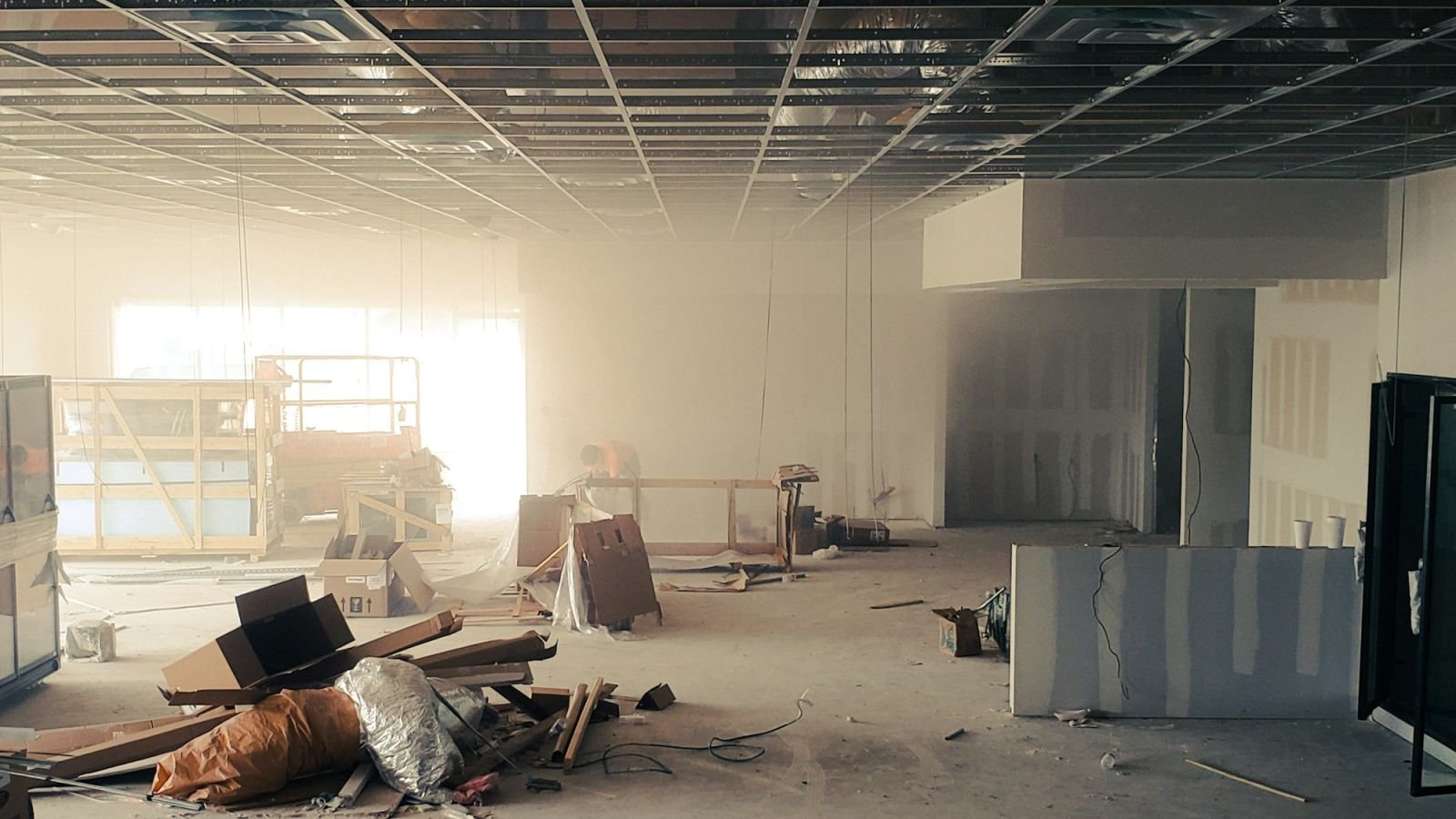
Asbestos property management comes down to three actions, none of which involve touching the material: recognise what might contain asbestos, stop work when something suspect is disturbed, and commission a qualified survey. Everything else - the register, the management plan, contractor acknowledgements, abatement records - exists to make those three actions reliable.
The failure mode is almost never ignorance. It is speed. A contractor drills a hole to hang a television, a cleaner sweeps up the dust, and a tenant asks what the grey fibres in the ceiling tile are. By then the exposure has happened, and the manager's job has changed to notification and record-keeping.
Scope note: Asbestos assessment, removal and disposal are licensed specialist work. A property manager identifies, restricts access, notifies and commissions. Do not sample, handle, bag, sweep or dispose of suspect material, ever.
Not regulatory advice. Asbestos requirements vary by province and are enforced by provincial occupational health and safety regulators, with additional rules for waste. Confirm specifics with your regulator and the building's own procedures.
Key takeaways
- Treat any building constructed before 1990 as containing asbestos until a survey proves otherwise - critical
- The manager's actions are recognise, stop work, commission a survey. Never sample or handle the material yourself - critical
- Keep the asbestos register and management plan with the building, not in a former manager's email.
- Every contractor working on the fabric of the building should receive the register in writing before mobilising - critical
- A disturbed material is an incident: isolate, stop work, notify, and let a specialist handle clean-up - critical
What asbestos looks like in a managed building
Asbestos is a mineral fibre added to building products for fire resistance, insulation and strength. CCOHS's guidance on asbestos control in workplaces notes that buildings constructed before 1990 may contain asbestos-containing materials in many products, which is why the construction date is the first question in any assessment.
The material you can see is rarely the problem. Friable material - the kind that crumbles under hand pressure - releases fibres most readily, and it is usually hidden: sprayed fireproofing on structural steel, insulation on pipes and boilers, acoustic spray on ceilings. Non-friable material bound in cement, vinyl or resin releases fibres when cut, sanded or broken.
| Location | Typical suspect material | Risk when disturbed |
|---|---|---|
| Mechanical room | Pipe and boiler insulation, gaskets, rope seals | High - friable, frequently worked on - critical |
| Ceiling void | Sprayed fireproofing, acoustic tiles, texture coat | High - trades access regularly |
| Flooring | Vinyl tile and black mastic, levelling compound | Moderate - cutting and sanding release fibres - critical |
| Walls and ceilings | Drywall joint compound in older buildings, plaster | Moderate - sanding and demolition |
| Exterior | Cement siding, roofing felt, flashings | Low if intact, high when cut or broken |
| Service risers | Rope and paste seals at penetrations | High - disturbed during cabling work |
Asbestos property management in three actions
Those three verbs are the whole of the manager's role, and they are worth learning in order.
Recognise. Assume until proven otherwise. If the building predates 1990 and the material sits in one of the locations above, treat it as suspect. The manager does not need to identify asbestos; the manager needs to recognise the question.
Stop. If material is disturbed or about to be, stop the work. CCOHS is direct: if asbestos is found while renovating, stop work immediately, enclose and barricade the area, and hire a qualified asbestos removal specialist. Do not disturb the material yourself, because that increases exposure.
Commission. Order a survey from a qualified consultant, then act on the findings: label, restrict access, notify, and plan removal or management. The manager's signature belongs on the purchase order, not on a sample bag.
What a survey delivers
An asbestos survey is a documented inspection that identifies asbestos-containing materials, records their location, type, friability and condition, and rates the risk. The output is a register, not a report that goes into a drawer.
Two survey types matter. A management survey locates and assesses material that will stay in place, and produces the register that drives the management plan. A refurbishment or demolition survey is more intrusive and is required before work that will disturb the fabric, because it looks inside voids, behind panels and above ceilings.
Ask for three things beyond the report: a register in a format you can update, a labelled floor plan, and a prioritised action list with costs. Then put the register somewhere a contractor can find it at 7 a.m. on a Monday - a physical binder at the building plus a digital copy.
The management plan is the living part. It says which materials are managed in place, what condition triggers action, who inspects them and how often, and what tenants and contractors are told. A register with no plan is a document; a plan with no inspection cycle is an assumption.
When a contractor disturbs suspect material
This is the scenario to rehearse, because the first hour decides the outcome. The sequence should be in the building's procedures and in the contractor's orientation.
- Stop all work in the area immediately and keep people out - critical
- Do not clean up, sweep, vacuum or bag anything. Ordinary cleaning spreads fibres and contaminates equipment - critical
- Isolate the area, close doors, switch off local air handling if instructed, and post a sign.
- Notify: the building owner, the consultant or abatement contractor, the health and safety contact, and the insurer where the policy requires it.
- Record what happened: who disturbed what, when, how much material, who was present, what was done. Photographs, no handling.
- Arrange assessment and clean-up through the specialist, with clearance documentation before the area reopens.
The instinct that gets managers into trouble is tidiness: a wet paper towel, a quick vacuum, a bag in the dumpster. Each of those turns a contained event into a spread one, and each is visible in the incident record afterwards.
Where the line is
The distinction that matters is between managing material and working on it. Provincial rules commonly classify asbestos work by risk class - CCOHS describes Type I, Type II and Type III classes used in several provinces - and even the lowest class is trained work under a control plan, not a task for a building operator or a general contractor.
A manager should never:
- Take a sample, break off a piece, or "just check" whether something is asbestos - critical
- Drill, cut, sand, scrape or demolish suspect material, including a single anchor hole
- Dry sweep, vacuum with an ordinary vacuum, or use compressed air in a contaminated area - critical
- Move debris, bag waste or place suspect material in general refuse
- Allow a contractor to proceed on a verbal assurance that "it's probably fine"
- Reopen an area after an incident without written clearance
A manager should always:
- Provide the register to contractors before mobilisation and get a signed acknowledgement
- Ask for the abatement contractor's licence, insurance, worker training and waste documentation
- Keep the clearance report and disposal records with the building file, and confirm that any reinstated area was inspected and, where required, air-monitored
The other hazardous materials in the same conversation
Asbestos is rarely alone in an older building, and the same discipline applies to its neighbours: identify, do not disturb, commission a specialist.
| Material | Where it turns up | Manager's action |
|---|---|---|
| Lead paint and dust | Older painted surfaces, windows, stair rails | Assume in older stock; test before sanding or removal |
| PCBs | Older fluorescent ballasts, caulking | Specialist removal as hazardous waste |
| Mercury | Thermostats, switches, older gauges | Specialist removal; never break or drain |
| Silica dust | Concrete coring, cutting, demolition | Dust controls and respiratory protection by the trade |
| Bird and rodent droppings | Roof voids, ledges, mechanical spaces | Do not dry sweep; specialist clean-up with PPE - critical |
Each has its own regulation and its own contractor. The manager's role is the same one: identify the question, stop the work, commission the qualified answer, and keep the paper.
Records that protect the building
The documentation set for asbestos is small enough to keep complete, and it is the first thing requested after an incident.
- The survey report, register and labelled plans, with the survey date and the consultant's name.
- The management plan, with inspection dates and condition notes for material left in place.
- Contractor acknowledgements: signed confirmation that each trade received the register.
- Abatement records: scope, contractor, licences, waste manifests, clearance reports.
- Incident records: what was disturbed, who was notified, what clean-up occurred, when the area reopened.
- Tenant and occupant notifications, where the plan or regulation requires them.
- Training records for building staff on recognition and response.
Keep all of it with the building, transfer it on sale or management change, and never rely on memory about which ceiling was drilled in 2019. The filing discipline is the same one that runs through compliance documentation, and the survey and abatement paperwork are exactly what a regulatory inspection will ask for.
How this fits the maintenance programme
Asbestos management is not a project with a finish date. It is a standing constraint on every maintenance activity, which is why it belongs inside the preventive maintenance programme rather than beside it.
Any work order that penetrates the building fabric should trigger a register check before work starts - a process change, not a capital one. Brief the trades at onboarding, alongside the controls covered in contractor safety on site, and run the wider scheduling and verification cycle through the preventive maintenance programme for property managers.
Frequently asked questions
Can a property manager remove a small amount of asbestos?
No. Even small quantities require a qualified contractor working under a control plan. Provincial rules classify asbestos work by risk type, and sampling or handling by untrained staff is the exposure pathway those rules exist to prevent.
How do I know if my building has asbestos?
Any building constructed before 1990 should be assumed to contain asbestos until a survey says otherwise. Commission a survey, keep the register with the building, and give a copy to every contractor before they mobilise.
What should I do if a contractor drills into suspect material?
Stop the work, keep people out of the area, and do not clean up or bag anything. Notify the owner and your health and safety contact, commission an assessment, and keep the area closed until a specialist provides written clearance.
Is it dangerous if the asbestos is in good condition?
Material in good condition and left undisturbed is a much lower risk than damaged or friable material, which is why management in place is legitimate for some materials. It still needs a register, labelling, periodic inspection and contractor notification.
How long should asbestos records be kept?
Keep the survey, register, management plan, contractor acknowledgements and abatement records for the life of the building, and transfer them on sale. Health effects can appear decades after exposure, so the records outlive the work.
Recognise it, stop, and call the specialist
Asbestos property management is one of the few areas where the correct professional response is almost always to do less: do not touch it, do not clean it, do not let the work continue. Write the register, brief the contractors, keep the paper, and let licensed specialists do the work.
NeatScore lets a facilities manager build asbestos and hazardous material checklists with critical items flagged, record condition observations with photos during a walk, and keep dated records that show what was inspected, when, and what was escalated. Try it free for 14 days, or see pricing.