Childcare Centre Cleaning Checklist: Health, Safety and Toys
A childcare and daycare cleaning checklist covering playrooms, sleep areas, washrooms, kitchens and toys, with the sanitising standards and safety checks that matter most.
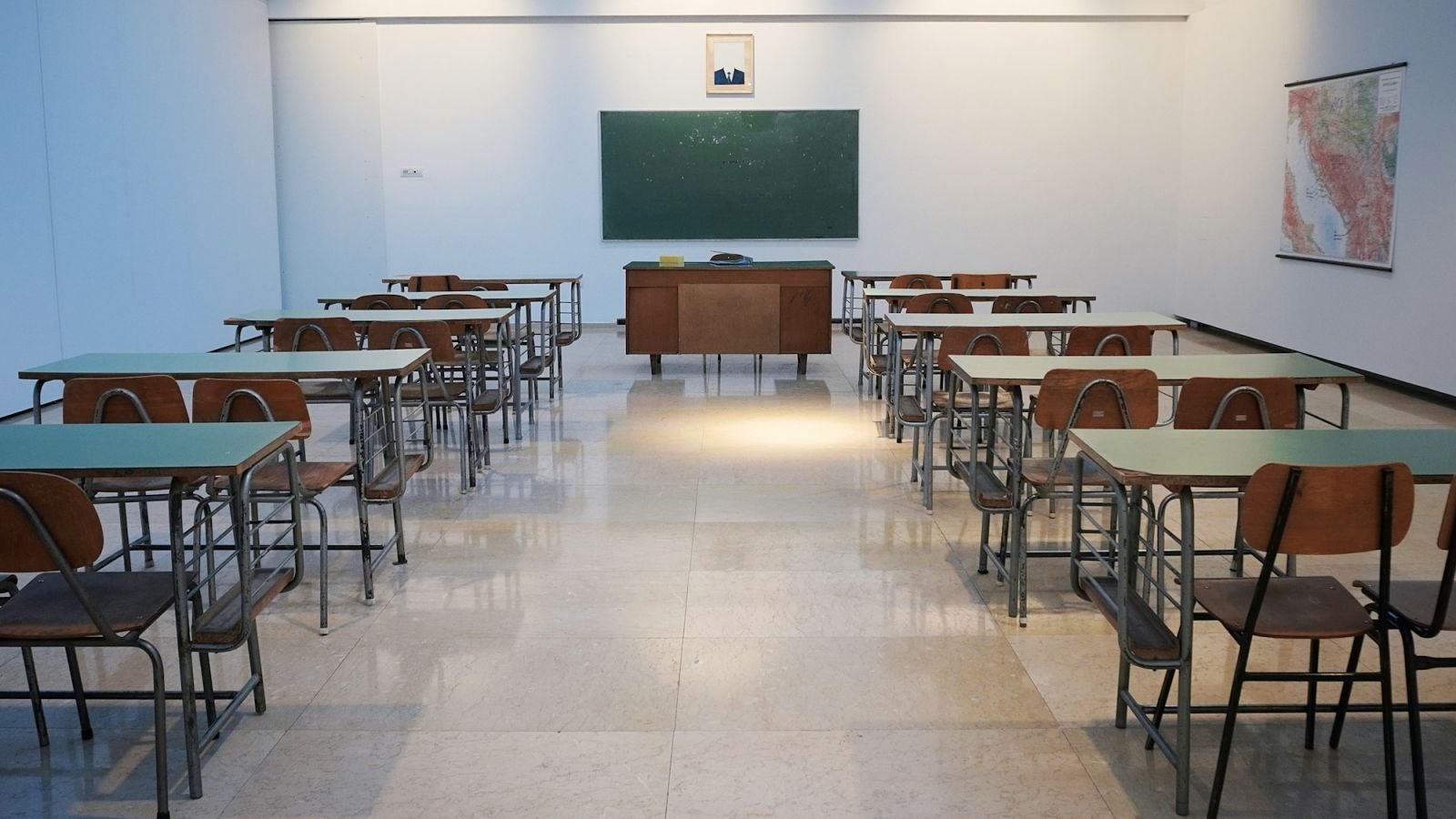
Childcare space is the most hygiene-sensitive commercial cleaning there is. The occupants put their hands — and frequently their mouths — on everything, they are not yet reliably hygienic themselves, and their immune systems are still developing.
A childcare centre cleaning checklist is therefore built around sanitising contact surfaces and toys first, appearance second. Parents also inspect these rooms daily, so the standard is being judged constantly.
Key takeaways
- Sanitise everything at child height, every day. That is the core of the job.
- Toys and shared equipment are the most important and most neglected items.
- Change nappy areas and washrooms are the highest-risk space in the building.
- Do not use harsh chemistry around children. Product choice matters more here than anywhere.
- Safety findings outrank dirt: unsecured chemicals, damaged equipment and blocked exits are critical.
Sanitising versus cleaning
These are different steps and the distinction matters more here than anywhere else.
| Step | What it does |
|---|---|
| Cleaning | Removes soil, grime, food and body fluids |
| Sanitising | Reduces bacteria to a level considered safe |
Clean first, then sanitise. A sanitiser applied to a visibly soiled surface does not work properly. The wider distinction, including where disinfecting is required instead, is covered in cleaning vs sanitizing vs disinfecting.
On product choice: childcare settings need products that are effective but appropriate for the environment. Confirm with the centre which products they have approved, follow dilution and dwell times exactly, ventilate, and never leave chemistry accessible to children. Many centres specify fragrance-free or specific certified products. Follow their policy.
Daily tasks: playrooms and activity areas
- Sanitise all tables and activity surfaces before and after use — critical
- Sanitise chairs, including seats, backs and legs at child height — critical
- Sanitise toys — see the dedicated section below — critical
- Wipe door handles, light switches, gates and barriers — critical
- Wipe handrails, cubby handles and coat hooks — critical
- Clean and sanitise change tables and surrounding surfaces — critical
- Sweep, vacuum and mop all flooring, including corners and under furniture
- Spot clean walls at child height; mark and report anything that will not lift
- Empty and clean bins, including nappy bins — critical
- Wipe down cots, mats and rest equipment
- Clean and sanitise sinks and taps — critical
- Restock soap, paper towel, wipes and sanitiser — critical
Daily tasks: toys and shared equipment
This is where childcare cleaning differs most from every other sector.
- Hard plastic toys: wash in detergent solution, rinse, then sanitise. Allow to dry fully before returning to use — critical
- Soft toys and fabric: launder regularly, or follow the centre's policy if they are restricted.
- Wooden toys: damp wipe and sanitise with a product appropriate for wood; do not soak.
- Books: wipe covers; set aside damaged or soiled books for removal.
- Mouthed toys: treat as requiring sanitising after each use — critical
- Shared equipment: ride-ons, climbing frames, mats and tables — sanitise daily and check for damage.
- Sand and water play: follow the centre's policy exactly; these are common sources of infection and have specific protocols.
- Rotation: many centres rotate toys. Confirm the rotation area is cleaned too, since it is easily missed.
Washrooms and nappy change areas
The highest-risk space in the building.
- Clean and sanitise all fixtures, including seats, hinges and bases — critical
- Clean and sanitise change tables after every use, and thoroughly at end of day — critical
- Sanitise nappy bins inside and out — critical
- Clean and dry sinks, taps and counters — critical
- Sweep and mop floors including corners and behind fixtures — critical
- Clean mirrors, partitions and doors
- Restock soap, towel, toilet paper and wipes — critical
- Check potty chairs and sanitise thoroughly
- Ensure no standing water anywhere (slip risk)
- Report any plumbing issue immediately
Kitchen and food areas
- Clean and sanitise all food-contact surfaces — critical
- Clean and sanitise sinks; clear and flush drains — critical
- Clean highchairs and feeding chairs thoroughly, including straps and trays — critical
- Clean and disinfect fridge interiors and handles — critical
- Clean microwaves, kettles and appliances
- Sweep and mop floors with a degreaser — critical
- Empty and clean bins, keeping lids closed
- Restock supplies — critical
- Report pest evidence immediately (critical)
Sleep and rest areas
- Clean and sanitise cots, mats and frames
- Launder or change bedding per the centre's schedule
- Vacuum and clean flooring thoroughly, including under cots
- Check for and remove anything that could be a suffocation or entanglement risk and report it
- Clean and dust surrounding surfaces and storage
Entrance and general areas
- Clean entrance glass, doors and handles — critical
- Clean and sanitise sign-in areas, kiosks and pens — critical
- Wipe parent notice areas, displays and shared information points
- Sweep and mop entrance flooring; keep matting flat and clean
- Empty and clean waste and recycling
- Clean corridors at child height
Weekly and periodic tasks
- Deep clean and sanitise toys comprehensively, including rotation stock
- Machine clean hard floors
- Deep clean washrooms and change areas, including grout
- Vacuum upholstery, soft seating, mats and rugs
- Clean and sanitise sleep equipment thoroughly
- Clean vents, grilles and ceiling diffusers
- Wipe walls throughout at child height
- Clean internal glass and partitions
- Deep clean kitchen appliances and behind equipment
- Clean outdoor play equipment if in scope
Monthly and quarterly tasks
- Extract or deep clean carpets and rugs
- Strip and reseal hard floors
- Deep clean all toys that are not in daily rotation
- Clean light fittings and high-level surfaces
- Clean and inspect storage rooms and supply cupboards
- Deep clean outdoor play areas, including sand pits per policy
- Review and restock chemical inventory, and confirm products remain approved
- Clean exterior entrances and walkways
Safety checks that outrank cleanliness
These should be on every inspection and treated as critical.
- Chemicals stored locked and out of reach — critical, non-negotiable in a childcare setting
- Cleaning in progress: area secured, no children present, no open buckets
- Exits clear and fire doors unobstructed — critical
- No damaged furniture, toys or equipment with sharp edges or loose parts
- No trailing cables or equipment left out
- Wet floors signed and dried promptly — critical (children run)
- No standing water anywhere
- Playground and outdoor equipment safe and clean
- Lighting functional
- No pest evidence
The CCOHS guidance on slips, trips and falls is relevant here, as are workplace hazardous materials requirements for chemical storage and labelling, covered in our health and safety guide.
Cleaning while children are present
Much childcare cleaning happens around children, which constrains everything.
- Clean high-contact surfaces when children are elsewhere where possible, especially nappy areas and washrooms.
- Never leave buckets, mops, chemicals or equipment unattended.
- Ventilate and avoid strong odours.
- Coordinate with staff so cleaning does not interrupt routines or rest times.
- Use colour-coded equipment and never carry cloths from washrooms into play areas.
- Report anything you cannot clean safely rather than working around it.
Inspecting a childcare centre
Inspect during operating hours occasionally, because that is the condition parents see, and after closing for the deeper items. Score these as critical every time:
- Tables, chairs and child-height surfaces sanitised
- Toys clean, dry and in good condition
- Change areas sanitised
- Washrooms clean, stocked and dry
- Kitchen food-contact surfaces clean and sanitised
- Chemicals secured
- No standing water or trip hazards
- No damaged equipment
- Bins emptied and clean
For the general method, see what a cleaning inspection involves and the wider item list in the janitorial inspection checklist, and for the wider programme, the cleaning quality assurance guide.
Frequently asked questions
How often should a childcare centre be cleaned?
Daily cleaning and sanitising of all contact surfaces, toys and washrooms, with weekly deep cleaning of toys, floors and soft furnishings, and monthly or quarterly deep cleans of carpets, floors and outdoor areas.
How do you clean and sanitise toys in a daycare?
Wash hard toys in detergent solution, rinse, then apply a sanitising product at the correct dilution and dwell time, and allow to dry fully before returning them to use. Fabric toys should be laundered, and mouthed toys need sanitising after each use.
What products should be used to clean a childcare centre?
Only products the centre has approved, which are often fragrance-free and specified for childcare environments. Follow dilution and dwell times exactly, ventilate, and never leave chemicals accessible to children.
What is the most important area to clean in a childcare centre?
Change areas and washrooms, followed closely by toys and child-height contact surfaces. These carry the highest infection risk and are what parents judge the centre on.
Should cleaning happen while children are in the building?
Some of it can, such as floors and general surfaces, but nappy areas, washrooms and any task using stronger chemicals should be done when children are not present. Equipment and chemicals must never be left unattended.
Prove the standard parents judge
Childcare centres are inspected daily by parents, and a documented cleaning record is what lets the director answer a concern with evidence rather than reassurance.
NeatScore lets you build childcare-specific checklists with sanitising steps flagged critical, capture photo evidence, and produce a report the centre can share with families and licensing. Try it free for 7 days, or see pricing.