Church Cleaning Checklist: Sanctuary, Halls and Facility Rooms
A church cleaning checklist covering the sanctuary, pews, halls, kitchens, washrooms and entryways, with the volunteer-versus-contractor split and inspection points.
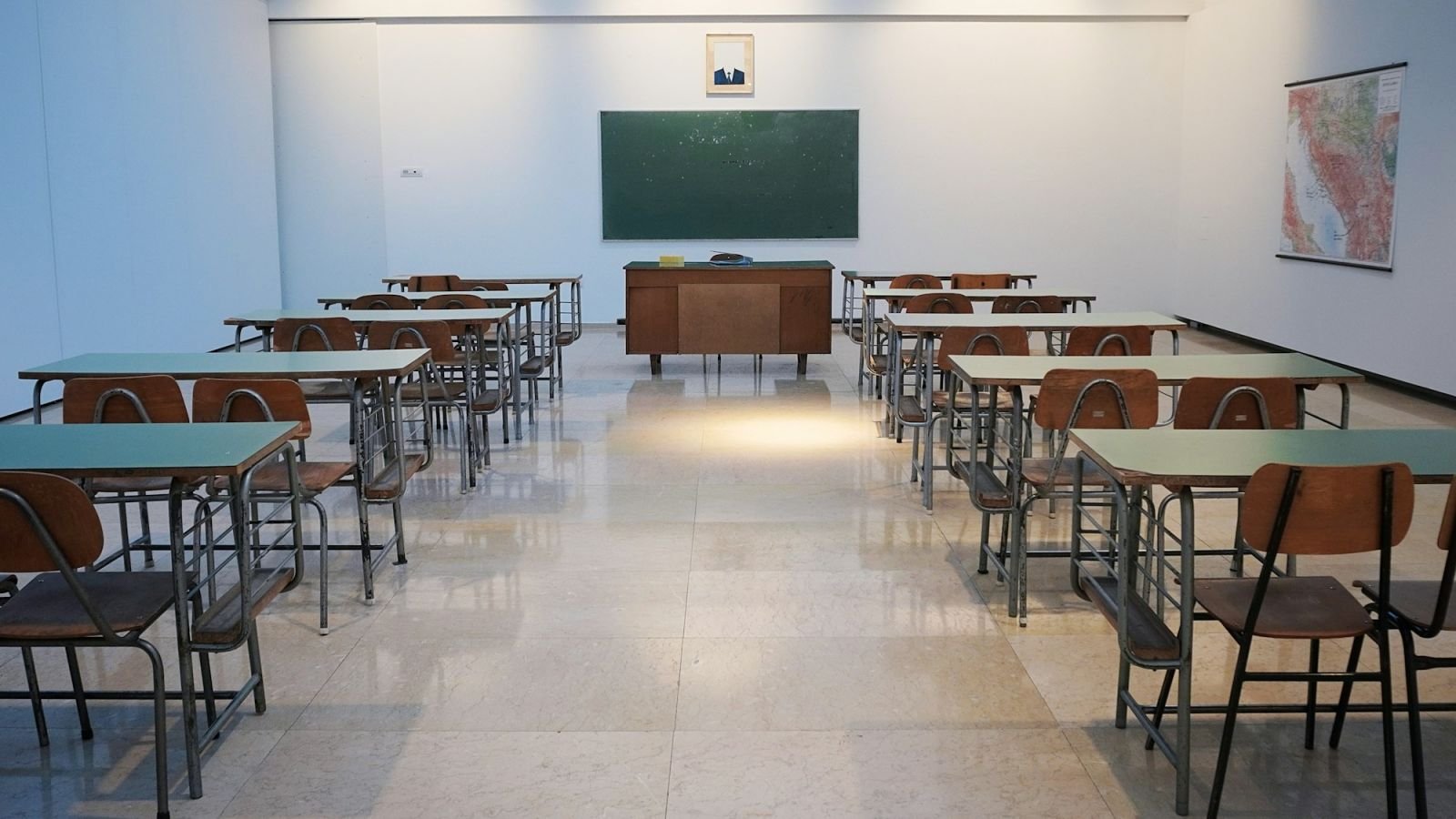
Churches are unusual cleaning environments. The building is used intensively for a few hours a week and then sits mostly empty, which means soil has time to set and problems have time to develop unnoticed. Many are cleaned by volunteers, and many are cleaned by a mix of volunteers and a contractor.
A church cleaning checklist has to work for both, and be explicit about who does what.
Key takeaways
- The sanctuary needs care and respect for the space, not just cleaning technique.
- High-use days (services, funerals, weddings, community events) should drive the schedule.
- Empty buildings hide problems: leaks, pests, odour and dust accumulate in quiet periods.
- Kitchens and washrooms carry the real hygiene risk and are usually the weakest area.
- If volunteers and a contractor share the work, write down the split. Overlap and gaps both cause friction.
The sanctuary
Treat the sanctuary as a room requiring care as well as cleanliness.
- Vacuum or sweep all flooring, including under and between seating
- Clean and polish pews, chairs and rails, including the underside of pew ends
- Dust and clean the platform, lectern, pulpit and any instruments
- Clean and dust screens, projectors and AV equipment following the operator's guidance
- Wipe collection plates, trays and offering equipment
- Clean and dust window ledges, sills, frames and memorial items
- Dust high-level: beams, trusses, light fittings, ceiling fans, vents
- Clean glass and any internal glazing
- Empty and wipe waste
- Straighten hymn books, Bibles and cushions
- Handle all religious items with care and only as directed. Where something is sacred or consecrated, ask before touching it. Getting this wrong damages trust far more than any cleaning miss.
Entrance, foyer and vestibule
First impressions and the highest traffic.
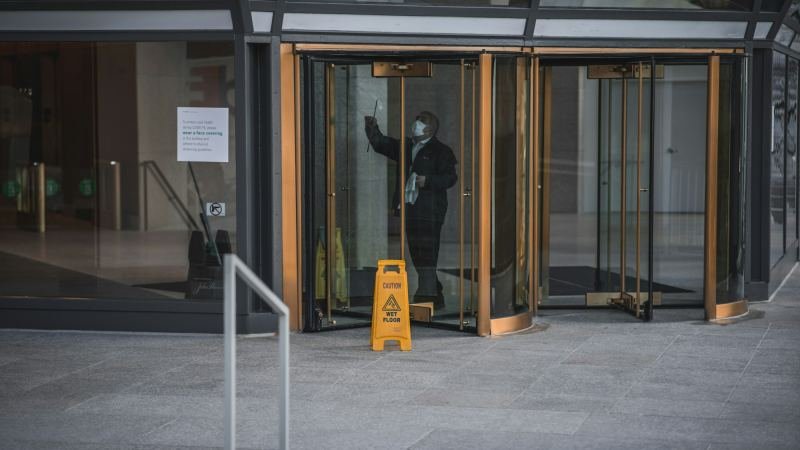
- Clean entrance glass, doors and handles — critical (highest-touch area in the building)
- Sweep, vacuum or mop entrance flooring; straighten matting
- Empty and wipe waste
- Clean notice boards, display cabinets and literature areas
- Wipe handrails — critical
- Spot clean walls and door surrounds at hand height
Halls, meeting rooms and classrooms
These take more punishment than the sanctuary, often from children.
- Vacuum or mop all flooring, including corners and under furniture
- Wipe tables, chairs and stackable furniture
- Clean whiteboards, trays and shared equipment
- Sanitise children's areas: tables, chairs, toys and craft surfaces — critical
- Empty and wipe waste and recycling
- Wipe door handles, light switches and shared touchpoints — critical
- Check and clean storage cupboards and cupboards for supplies
- Report damaged furniture and equipment
Kitchen and serving areas
Where the real hygiene risk sits.
- Clean and sanitise all food-contact surfaces — critical
- Clean and sanitise sinks; clear and flush drains — critical
- Clean stovetops, ovens and microwaves, inside and out
- Clean and disinfect fridge and freezer interiors and handles — critical
- Clean counters, cupboards and shelving
- Sweep and mop floors with a degreaser — critical
- Empty and clean bins; keep lids closed
- Restock soap, towel and consumables — critical
- Check for and report pest evidence (critical)
- Wash and store dishware and serving items if in scope, or leave them clearly staged
Washrooms
Frequently the weakest area in a church because they are used hard on service days and rarely checked in between.
- Clean and disinfect all fixtures, including seats, hinges and bases — critical
- Clean and dry sinks, taps and counters — critical
- Clean mirrors, partitions and doors
- Sweep and mop floors, including corners and behind fixtures — critical
- Empty and reline waste and sanitary bins
- Restock soap, towel and toilet paper — critical
- Check for odour, leaks and damage
- Baby change facilities: clean and disinfect after every use day — critical
Nursery, childcare and cry rooms
- Sanitise all surfaces at child height — critical
- Clean and disinfect toys, mats and equipment — critical
- Vacuum and mop floors thoroughly
- Empty and clean bins, including nappy bins — critical
- Restock wipes, sanitiser and paper products
- Check for and report any safety hazards
For the standards that apply to child-facing space, see the school cleaning checklist.
Weekly and periodic tasks
- Machine clean hard floors in halls and foyers
- Deep clean washrooms, including grout and fixtures
- Deep clean kitchen, including behind and under equipment
- Vacuum upholstery: pew cushions, chairs and soft seating
- Dust high-level: beams, high windows, light fittings, ceiling fans
- Clean internal glass and glazing
- Clean exterior entrances and walkways
- Clean vents and grilles
Monthly, quarterly and seasonal tasks
- Extract or deep clean carpets, especially in halls and foyers
- Strip and reseal hard floors where finished
- Deep clean kitchen appliances and extraction if present
- Clean exterior signage, notice boards and lighting
- Clean gutters and downpipes if in scope — or report
- Check for leaks, damp and pest activity in rarely used rooms
- Clean and organise storage: cupboards, basements, vestry, equipment rooms
- Clean boilers and plant rooms if in scope
- Seasonal: pre-Christmas and pre-Easter deep cleans, which matter enormously in churches
- Post-event deep cleans after weddings, funerals and community events
Empty building syndrome
A building that sits empty most of the week develops problems no one is present to see.
- Leaks go unnoticed and cause damage over months.
- Pests establish themselves undisturbed.
- Mould develops in cold, damp corners — particularly in older buildings.
- Dust settles heavily on rarely touched surfaces.
- Odour develops from drains, bins and standing water.
- Damage from weather, vandalism or equipment failure goes unreported.
Practical response: include a walk-round of the whole building on every visit, even briefly, including rooms that are not part of routine cleaning. Report anything abnormal. That habit catches expensive problems early and is usually appreciated more than the cleaning itself.
Volunteers and contractors: defining the split
Many churches run a hybrid, and unclear splits cause both duplicated work and missed areas.
| Area | Often volunteers | Often contractor |
|---|---|---|
| Sanctuary reset and tidying | Yes | Occasionally |
| Routine vacuuming and mopping | Sometimes | Yes |
| Washrooms | Rarely | Yes |
| Kitchen deep clean | Sometimes | Yes |
| High dusting and high-level glass | Rarely | Yes |
| Floor stripping and carpet extraction | No | Yes |
| Post-event clean-up | Often | Sometimes |
| Exterior and grounds | Often | Sometimes |
Whichever way the split runs, write it down and pin it up. Then make sure someone owns verification, because volunteer work is well-intentioned but rarely inspected, and the areas nobody owns are the ones that fail.
Inspecting a church
Score against target using the APPA cleanliness levels, and inspect on the day after the heaviest use, when the building's real condition is visible.
Critical items every inspection:
- Entrance glass and hardware clean
- Washrooms clean, stocked and dry
- Kitchen food-contact surfaces clean and sanitised
- No pest evidence
- No leaks, damp or water damage
- Floors clean and dry, with no trip hazards
- Fire exits and egress routes clear
- Children's areas sanitised
The whole-building item list is in the janitorial inspection checklist, which churches often use as the shared standard. For volunteer-run buildings, a scored inspection is also a teaching tool: it shows exactly what "clean enough" means rather than relying on goodwill and guesswork.
Frequently asked questions
How often should a church be cleaned?
At minimum weekly, scheduled around services and events, with washrooms and high-touch surfaces attended on every service day. Quarterly deep cleans and pre-Christmas and pre-Easter cleans are standard practice.
What should a church cleaning checklist include?
The sanctuary, entrance and foyer, halls and meeting rooms, kitchen, washrooms, nursery or childcare areas, plus safe handling of religious items and a whole-building walk-round to catch leaks, pests and damage in unused rooms.
Can volunteers and a cleaning company share church cleaning?
Yes, and many do. The essential step is writing down which areas belong to whom, and making sure someone is responsible for verifying both, since unowned areas are the ones that fail.
How do you clean a church sanctuary respectfully?
Treat the space with care: handle religious items only as directed, avoid moving or rearranging anything sacred without permission, work quietly, and ask rather than assume when something's status is unclear.
What are the biggest cleaning problems in churches?
Washrooms, kitchens and rarely used rooms. Empty buildings hide leaks, pests and mould for long periods, and washrooms that are used heavily a few times a week are frequently the weakest area.
One standard, whether volunteer or contract
Wherever the work is shared, the standard should be written down and someone should check it. That is what stops good intentions from leaving gaps.
NeatScore gives churches and their contractors one shared checklist and target per area, with photo evidence and a report the board can see. Try it free for 7 days, or see pricing.