School Cleaning Checklist: Classrooms, Washrooms, Gyms and More
A school cleaning checklist for custodial teams: daily, weekly and summer tasks for classrooms, washrooms, gyms and cafeterias, plus inspection tips.
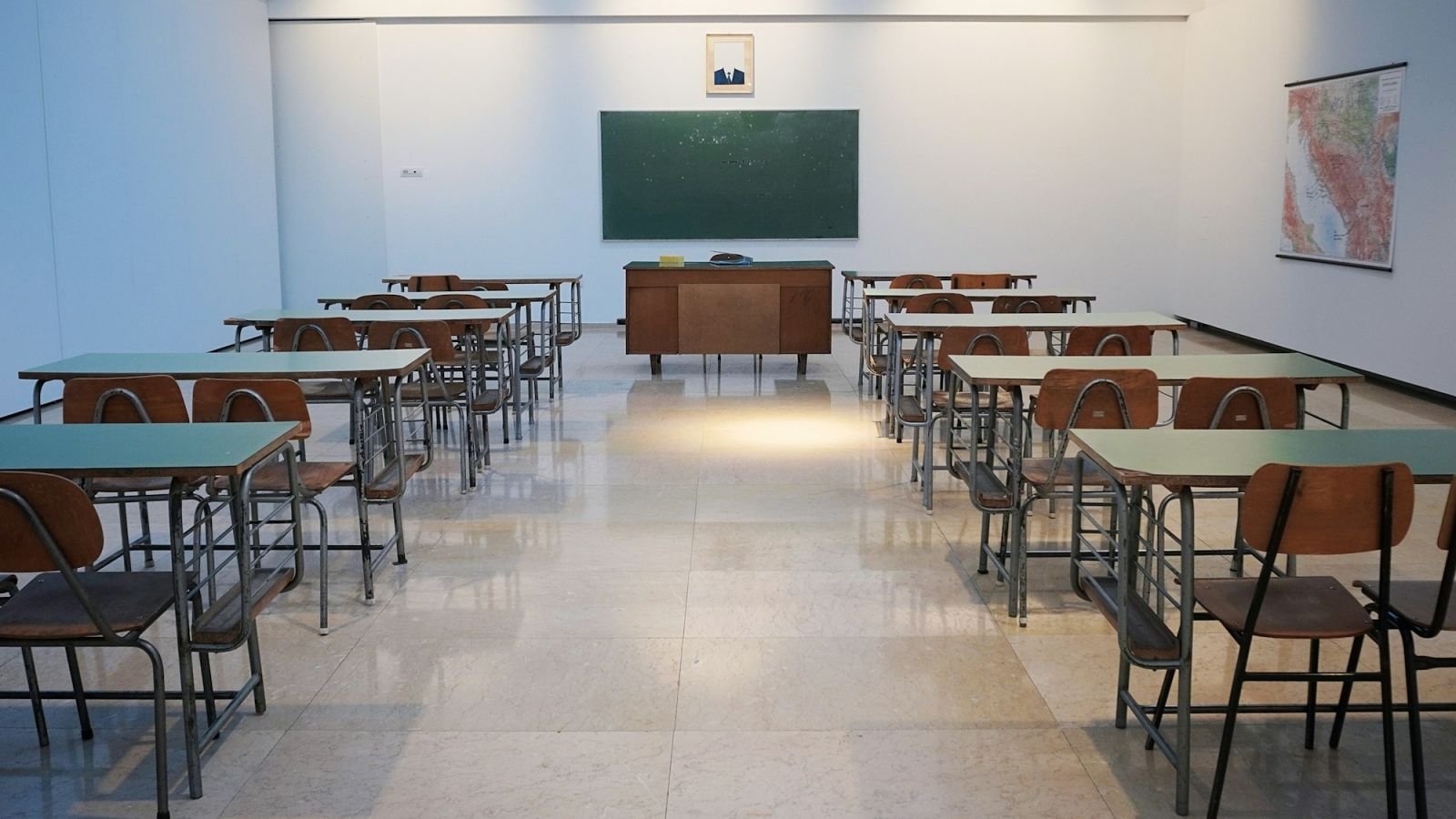
A school cleaning checklist sets out the daily, weekly and periodic tasks custodial staff complete in classrooms, washrooms, gyms, cafeterias and hallways. Schools are busy, high-touch buildings, so a clear routine keeps them healthy for students and staff and makes quality easy to check.
Key takeaways
- Split the school cleaning checklist into daily, weekly, monthly and summer (deep clean) tasks.
- Washrooms, cafeterias and high-touch points need daily cleaning, and disinfecting where required.
- Schools are where the APPA cleaning levels come from, so use them to set and score targets.
- Plan the summer deep clean early: floors, carpets, walls and furniture.
Why schools need a cleaning checklist
A single elementary school can have 20 or more classrooms, several washrooms, a gym and a lunch area, often cleaned by 2 or 3 custodians in one evening shift. Hundreds of students share the same desks, door handles and washrooms every day. Custodial teams are often small and cover large buildings in a few evening hours. A school cleaning checklist makes sure the essential tasks are done first, gives substitutes a clear routine, and supports the inspections principals and facility managers carry out.
Daily school cleaning checklist
Classrooms
- Empty waste and recycling bins
- Clean and wipe desks, tables and chairs
- Wipe high-touch points: door handles, light switches, pencil sharpeners, shared devices (as the school allows)
- Clean whiteboards or chalk trays if in scope
- Sweep and damp mop hard floors; vacuum carpets and rugs
- Spot clean glass and door windows
Washrooms
- Clean and disinfect toilets, urinals, sinks and taps
- Refill soap, paper towel and toilet paper
- Clean mirrors, partitions and dispensers
- Empty bins and sanitary bins
- Mop floors and check drains and odour
See the full restroom cleaning checklist for step-by-step technique.
Cafeteria and kitchen areas
- Clean and sanitize tables and seats after each lunch period
- Sweep and mop floors, paying attention to spills and sticky spots
- Empty garbage, recycling and organics, and clean bins
- Clean food-contact surfaces with an approved sanitizer
Hallways, entrances and stairwells
- Vacuum or clean entrance mats
- Dust mop and damp mop hallway floors
- Clean entrance glass, railings and water fountains or bottle fillers
- Check stairwells for litter and spills
Gym and change rooms
- Dust mop gym floors
- Clean and disinfect change room benches, showers and washrooms
- Empty bins and remove lost items to lost and found
Weekly school cleaning checklist tasks
- Wipe lockers, windowsills, bookshelves and cabinet fronts
- Clean inside and outside of classroom sinks
- Scrub washroom grout and descale fixtures
- Vacuum carpets edge to edge and clean under furniture
- Wash water fountains and bottle fillers thoroughly
- Clean library tables and computer lab surfaces as allowed
Monthly tasks
- High dusting: vents, light fixtures and the tops of cabinets
- Clean interior windows fully
- Spot clean walls and doors
- Machine-scrub hallway and cafeteria floors
School cleaning checklist for cold and flu season
Illness spreads quickly in schools, so many custodial teams adjust their routine between roughly October and March:
- Increase high-touch cleaning of door handles, railings, light switches, shared devices and water fountains, for example twice a day in busy hallways.
- Disinfect washrooms more often, and check soap and paper towel at least twice a day.
- Respond fast to illness clean-ups: keep a ready kit with gloves, absorbent powder, bags, a disinfectant with a DIN and a wet floor sign.
- Check ventilation in custodial rooms and ask maintenance about classroom air circulation.
- Communicate with staff: ask teachers to report spills and illness quickly, so custodians can respond within minutes rather than hours.
Summer deep clean checklist
Summer is when schools reset. Plan it early and include:
- Strip and refinish hard floors, or scrub and recoat
- Extract carpets
- Wash walls, doors and lockers
- Clean all desks and chairs, including legs and undersides
- Deep clean washrooms, kitchens and change rooms
- Clean light fixtures, vents and blinds
Health and safety in school cleaning
When there is illness, such as vomiting in a classroom, clean the area and then disinfect it. The CDC facility guidance recommends cleaning first and keeping the disinfectant wet for its full contact time. Also store chemicals in locked custodial rooms, label every spray bottle, and keep safety data sheets on site. Our guides on cleaning vs sanitizing vs disinfecting and health and safety for commercial cleaners explain the details.
How to inspect school cleaning
The APPA cleaning levels were written for educational facilities, and APPA's cleaning operations resources are widely used by school boards. Most schools target Level 2 (Ordinary Tidiness) in classrooms and washrooms. For example, an inspector might:
- Choose a sample of classrooms, washrooms and common areas each week.
- Score each item from 1 to 5 using the APPA cleaning standards.
- Mark washroom fixtures, supplies and floors as critical.
- Photograph problems and share the results with the head custodian the same day.
Our step-by-step guide on how to do a cleaning audit covers scoring and reporting.
Frequently asked questions
What should be on a school cleaning checklist?
Daily tasks for classrooms, washrooms, cafeterias, hallways and gyms, weekly tasks such as lockers and grout, monthly high dusting and floor scrubbing, and a summer deep clean list.
How often should school classrooms be cleaned?
Classrooms are usually cleaned every school day, with desks, high-touch points, bins and floors done daily and deeper tasks weekly or monthly.
What cleaning standard do schools use?
Many schools and school boards use the APPA custodial appearance levels, typically targeting Level 2 in classrooms and washrooms.
When should schools disinfect instead of clean?
Disinfect washroom fixtures and high-touch points routinely, and disinfect any area after illness or bodily fluid spills. Clean first, then disinfect.
Make school cleaning measurable
A good school cleaning checklist keeps the routine clear; regular inspections show whether it is working. NeatScore includes ready-made templates for classrooms, washrooms and gyms, lets inspectors score on the APPA scale from a phone, and shares reports with principals and facility managers. Start a free 7-day trial.