Mortuary and Funeral Home Cleaning: A Careful, Practical Guide
How to clean a funeral home or mortuary: chapels, visitation rooms, washrooms, preparation room boundaries and the handling limits every crew needs in writing.
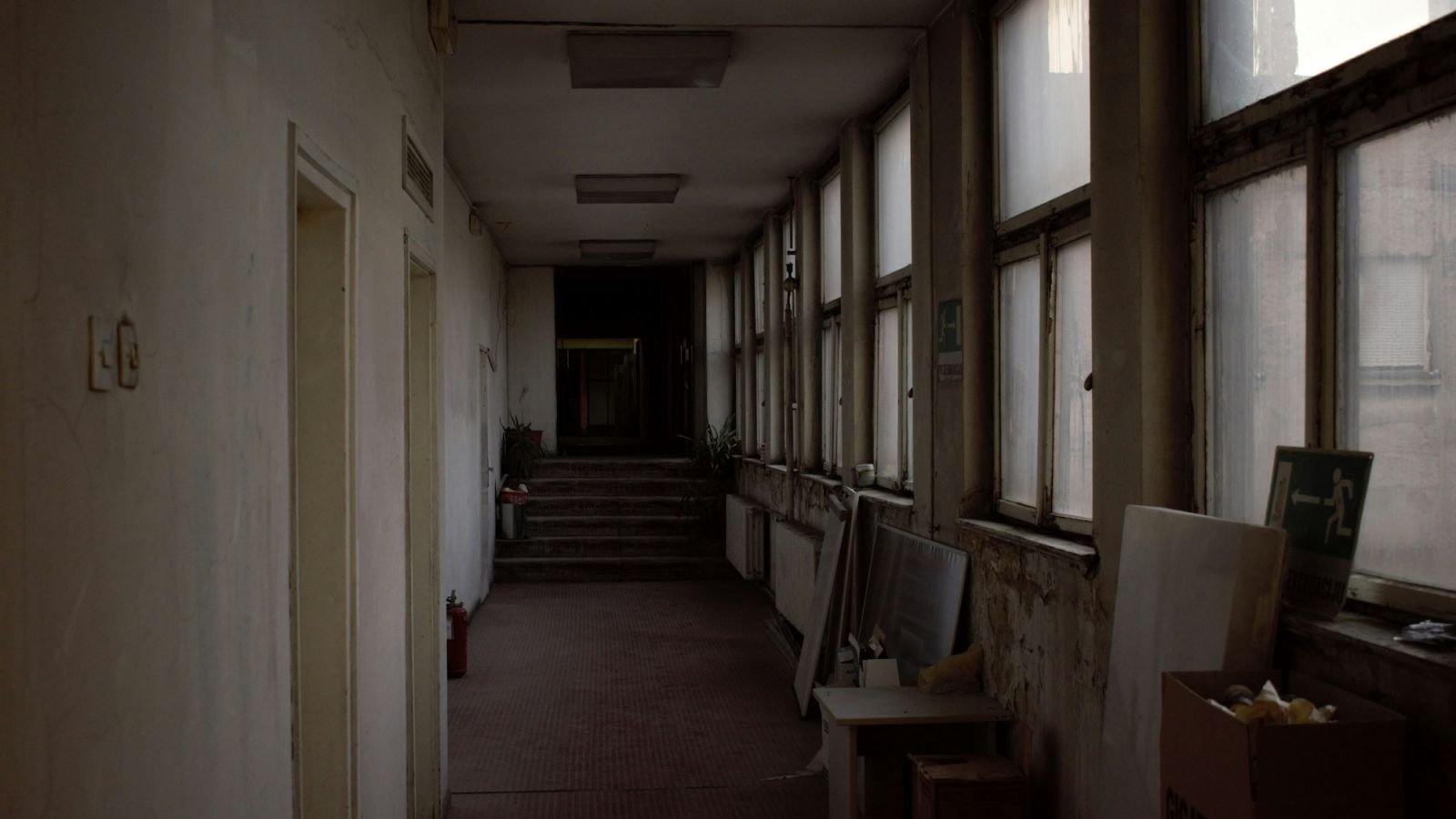
A funeral home is a business with two very different faces. The public side is a hospitality operation: chapels, visitation rooms, lounges, coat areas, washrooms and parking lots, cleaned to a standard a hotel would recognise. The private side is a mortuary: a preparation room, an embalming table, instruments, chemicals and a cold storage room.
Mortuary and funeral home cleaning works best when those two faces are treated as two separate scopes in the same contract. The public side is normal commercial cleaning with an unusually high emotional weight. The preparation room is a controlled area with biological and chemical hazards, and much of what happens there is not a cleaning task at all.
Key takeaways
- The public side (chapel, visitation rooms, lounges, washrooms, entrances) is the core of a cleaning contract and carries the reputation of the home.
- The preparation room is a separate scope. Assume nothing is included until it is written down and staff have trained you.
- Human remains, instruments, embalming fluids, blood and body-fluid events and regulated waste are never a cleaning task.
- Formaldehyde and embalming chemicals require ventilation, correct PPE and report-first discipline for spills and odours.
- Visitation and service times drive the schedule. Quiet, low-odour work during viewings matters as much as the clean itself.
- Report damage, leaks, chemical odours and pest evidence rather than handling them yourself.
What a two-sided building actually means
| Requirement | Public side | Preparation room |
|---|---|---|
| Access | Open to staff and visitors | Restricted, staff only |
| Cleaning products | Familiar commercial products | Products the home specifies, often restricted |
| Odour control | Low-odour, discreet products | Ventilation first, never masking fragrance |
| Waste | General and recycling | Regulated biological and chemical streams |
| Frequency | Daily plus event turnaround | Per the home's own procedure |
| Your crew | Fully in scope | Only if separately trained and scoped |
The public side is where a cleaning contractor earns the contract. Families judge the building in the first thirty seconds: the entrance, the air, the seating, the washroom. The preparation room is where a contractor can lose everything if a crew member acts outside their training.
Scope note: Human remains, embalming instruments, chemicals and regulated waste are normally outside a cleaning contractor's scope. Confirm in writing what is included, and report rather than act on anything outside it.
The public side: entrance, corridors and chapel
- Clean and disinfect entrance doors, push plates, handles and glass — critical
- Sweep, vacuum and spot clean entrance matting, and report trip hazards and worn mats
- Vacuum and clean chapel seating, pews and upholstered chairs, including under seat edges
- Clean and disinfect chapel lectern, microphone exterior, handrails and any shared hymnal racks
- Dust and wipe any altar, lectern or display surfaces with a product the home approves
- Clean glass, mirrors and framed memorial displays without moving or rearranging items
- Sweep and mop hard floors, and vacuum carpets with attention to the aisles
- Empty and clean waste bins, and change liners before any service
- Report damaged seating, stained carpet, leaks and burnt-out lighting to the manager
Chapel seating is the surface that carries the most people. A pew back, a chair arm and a kneeler are all hand-contact points, and in cold and flu season they see hundreds of touches in a single afternoon.
Visitation rooms, lounges and reception
- Clean and disinfect chairs, sofas, arms and side tables between visitations — critical
- Clean and disinfect door handles, light switches and any shared pen, guest book housing or card stand
- Wipe reception counters, telephones, keyboards and display cabinets
- Clean and disinfect coffee station surfaces, kettle, urn exterior and fridge exterior
- Restock hand hygiene supplies and any tissue or comfort items the home provides — critical
- Clean and disinfect washrooms to a hotel standard: fixtures, seats, hinges, taps and counters — critical
- Sweep and mop washroom floors including corners and behind fixtures, and report any leak
- Keep flower arrangements tidy and report leaks, wilting or fallen petals on carpets
- Report any damaged furniture, torn upholstery or broken fittings rather than repairing them
Flowers and standing water are a recurring problem in visitation rooms. A leaking vase ring on a carpet or a scratched table needs the manager's attention the same day, before the stain sets or the next family arrives.
The preparation room boundary
This is the section to read twice. The preparation room, the embalming area and the cold storage room carry hazards that require specific training, specific PPE and, in many cases, a specific licence or permit held by the funeral home.
- Do not clean the embalming table, the instruments, the sink used for preparation, or any surface that may hold blood or body fluids unless the home has trained you and written it into the contract
- Do not handle, move or dispose of human remains, for any reason — critical
- Do not open, empty, move or compress sharps or regulated waste containers — critical
- Do not handle embalming fluids, arterial fluid, cavity fluid, disinfectant concentrates or any unlabelled container — critical
- Do not attempt a blood or body-fluid clean-up without the correct PPE, product, procedure and disposal route. Report it and stand clear
- Do floors, walls, ceiling vents and general surfaces only where the home has scoped it and the room is cleared for you
- Report spills, staining, damaged equipment, unusual odours and any loose sharp to the manager immediately
Where a home wants the preparation room floors cleaned by an outside crew, that is a legitimate and valuable service, but it has to be trained, equipped and documented. Get the procedure in writing, confirm the correct disinfectant and contact time, and make sure the room is cleared before your crew enters. Where it is not scoped, keep out and keep the record clear.
Equipment, cold storage and machinery
- Clean floors, walls and general surfaces in the cold storage room only if scoped and the room is cleared
- Wipe the exterior of any trolley, cabinet or rack only when the home confirms it is empty
- Never open, adjust, defrost or clean the interior of a refrigeration unit
- Never service, adjust or clean inside any embalming machine, aspirator, lift or hoist
- Report alarms, temperature concerns, condensation, damaged seals and unusual odours immediately
- Never attempt repairs on any equipment, including trolleys with stiff casters or a door that will not latch
Refrigeration, lifts, hoists, aspirators and embalming machines are machinery. Machinery is report-only. A crew that adjusts a thermostat or forces a stiff trolley can create a much larger problem than the one they were trying to solve, and the home carries the consequences.
Chemistry, ventilation and odour
Funeral homes are chemically active buildings. Formaldehyde-based products, disinfectants and cavity chemicals are used in closed rooms, and odour complaints are taken seriously by both families and workplace regulators.
| Concern | Practical response | Avoid |
|---|---|---|
| Formaldehyde or chemical odour | Report it, ventilate per the home's procedure, leave the area | Masking with fragrance, ignoring it |
| Product selection in public areas | Low-odour, fragrance-light products | Strong perfume, heavy quat odours |
| Chemical spills | Report and stand clear unless trained and equipped | Wiping up unknown liquids |
| Chemical storage | Never move, decant or relabel any container | Topping up unlabelled bottles |
| Waste | General waste only where the home confirms | Anything marked biohazard or chemical |
- Keep a current safety data sheet for every product your crew uses — critical
- Dilute exactly to the label and never mix products — critical
- Store your own chemistry locked, labelled and away from the home's chemical storage — critical
- Wash hands after handling waste and before leaving the building
Our WHMIS for cleaners guide covers labelling, hazard communication and the right to know, and chemical inventory and dilution control covers the records that keep dilution consistent across a team.
Laundry, linens and soft furnishings
Linens in a funeral home span two worlds: table cloths, chair covers and lounge textiles in public areas, and everything used in preparation. Keep them strictly separate.
- Move bagged soiled linen to the point the home designates, and nothing further
- Never sort through linen from the preparation area, and never combine it with public-area linen
- Never place stained or blood-marked linen into a general wash without written instruction from the home
- Vacuum and spot clean chapel and lounge upholstery to the home's fabric guidance
- Report tears, stains and worn seating rather than attempting repairs
- Keep the laundry area clean, dry and free of standing water
Soft furnishings in a funeral home absorb odour. Where a home asks you to treat upholstery, use only products they approve for that fabric, and test in an inconspicuous spot first. Our upholstery and fabric cleaning guide covers the fibre and product decisions in more detail.
Scheduling around services and visitations
A funeral home runs on the calendar of the families it serves. Cleaning happens between events, often early in the morning or late at night, and often at short notice when a visitation is added.
| Task | Typical frequency |
|---|---|
| Washrooms, entrance and reception touch points | Daily, plus a pass before every visitation |
| Visitation rooms and chapel seating | Between events, and daily |
| Chapel and lounge floors | Daily, plus spot cleaning during services |
| Reception, coffee station and lounge | Daily, and after every event |
| General waste and recycling | Daily, plus before and after visitations |
| Carpets, hard floor machine clean | Monthly to quarterly |
| High-level dusting, vents, light fittings | Quarterly |
| Walkthrough with the manager | Monthly, with a quarterly review |
Work quietly and discreetly when a family is present. Keep equipment out of sight where possible, use low-odour products, and never discuss what you have seen. Discretion is part of the standard, and families notice. A cleaning schedule template helps you document the pattern, but the home's event calendar decides the order of work.
Inspecting and reporting
- Entrance, chapel, visitation rooms and lounges clean and presentable
- Washrooms clean, dry, fully stocked and free of odour
- Seating, handrails and shared touch points clean
- Floors clean, dry and free of trip hazards
- No biohazard items, sharps or regulated waste handled by cleaning staff
- Chemicals labelled, locked and stored away from the home's chemical storage
- Odours, leaks, damage, pest evidence and equipment faults reported in writing
- Discretion maintained while families are on site
Photograph each deficiency and give it a due date. A dated record of a stained carpet, a leaking vase ring or a failing light makes the conversation with a funeral director factual, and it protects the family experience that the home is judged on.
Not regulatory advice. Funeral, crematorium and mortuary requirements vary by province and are enforced by provincial regulators and workplace health and safety authorities. Confirm specifics with your provincial regulator and follow the home's own procedures.
Where this fits in the quality system
These checks sit under our janitorial inspection checklist, which sets the public-area standard these items are scored against. The disinfection sequence for public surfaces is covered in cleaning vs sanitizing vs disinfecting and infection control cleaning.
Frequently asked questions
Does cleaning a funeral home include the preparation room?
Not by default. The preparation room, embalming area and cold storage room are a separate scope with biological and chemical hazards that require specific training, PPE and written procedures. Some homes do contract trained crews for preparation room floors and general surfaces. Confirm exactly what is included before you price it.
Can cleaning staff handle human remains?
No. Never handle, move, reposition or clean around human remains, for any reason. That work belongs to licensed funeral home staff. If you encounter an unexpected situation in a room, leave the area, close the door and report it to the manager immediately.
How should a crew deal with a blood or body-fluid spill?
Report it, keep people away and follow the home's procedure. Unless your contract includes trained response with the correct PPE, product, contact time and disposal route, do not attempt the clean-up. A used mop or cloth on a body-fluid spill turns one contaminated area into several.
What products are safe in a funeral home?
Low-odour, fragrance-light products in public areas, and only products the home approves for its surfaces and fabrics. Never mask a chemical odour with fragrance: report it and ventilate. Keep your own chemistry labelled, diluted to the label, and stored separately from the home's embalming chemicals.
Who cleans up after a visitation or a service?
Normally your crew, working to an agreed turnaround window between events. That means washrooms, floors, seating touch points, the coffee station, waste and glass, plus a walkthrough before the next family arrives. Agree the window and the standard in writing, because visitations are often added at short notice.
Make the standard provable
A funeral director needs to know the building is ready before a family walks in, and needs to be able to show what was done when a detail is questioned.
NeatScore lets you build area-specific checklists for the entrance, chapel, visitation rooms, lounges and washrooms, flag the items that matter most, and attach photos as dated evidence of completion. Inspections run on Android or in the web portal, work offline and sync, and produce a branded PDF report the home can file or share. Try it free for 7 days, or see pricing.