Mould Building Response: Source Control vs Remediation
Mould building response for property managers: fix the moisture, log what you see and hand remediation to a specialist. Where the line sits and what to record.
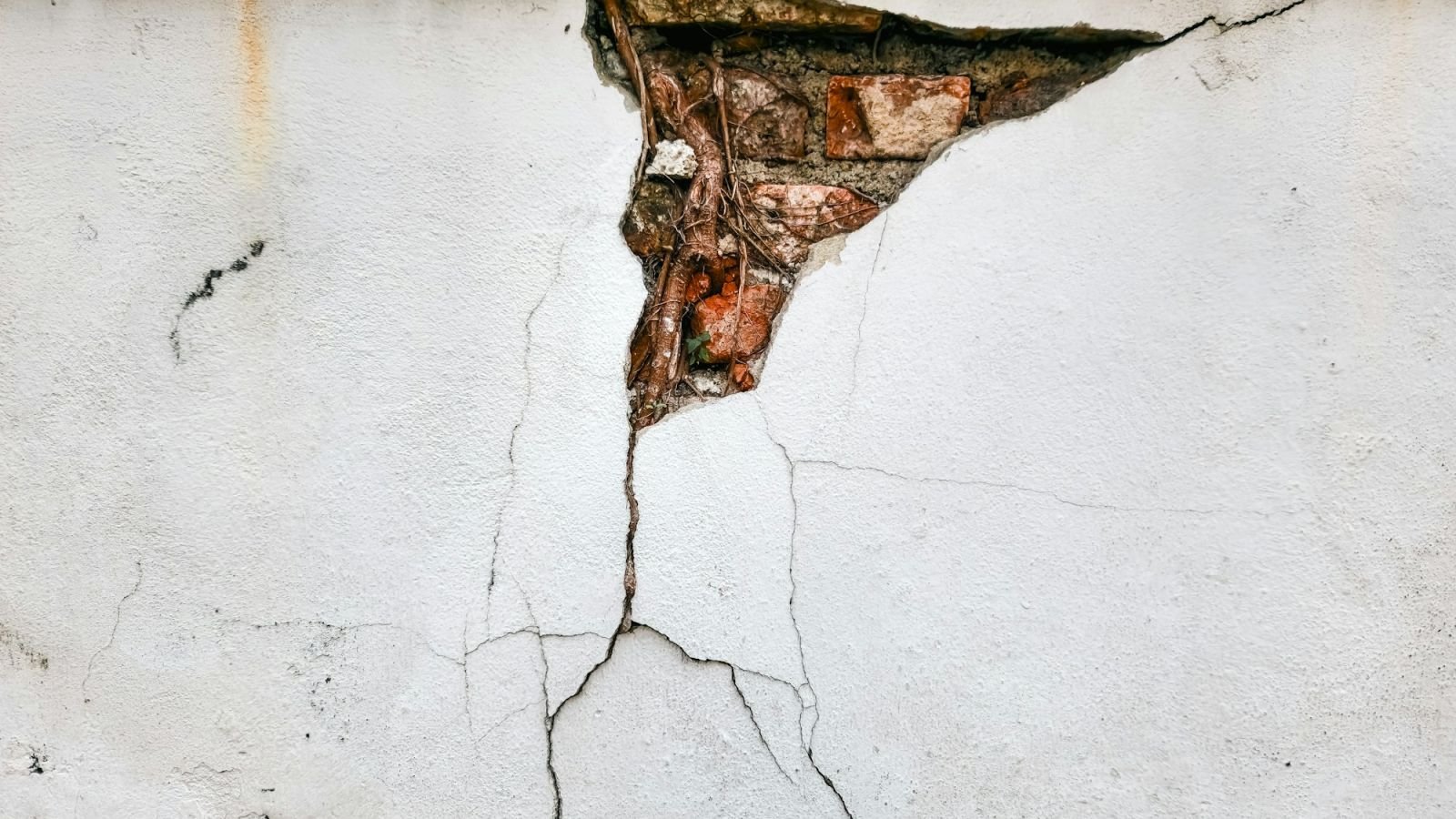
Mould building response splits cleanly into two jobs. The manager owns source control: finding and fixing the moisture, documenting what was found, and preventing it from returning. A specialist owns remediation: containing the affected area, removing porous material and clearing the space. The two jobs meet at a threshold, and most of the trouble in real buildings comes from crossing it in the wrong direction - a maintenance team scrubbing a wall that should have been referred, or a contractor called out for a stain caused by a leaking sill.
The physical fact underneath all of it is simple. Health Canada's guide to addressing moisture and mould indoors states that mould will reappear unless the cause of the moisture has been identified and solved, and that growth can begin within 48 hours in a wet area. Cleaning without a moisture finding buys a season at most.
Scope note: Remediation beyond a small area of surface mould is specialist work, and mould inside cavities or HVAC components is always a referral. A property manager inspects, records, controls access and commissions. Do not cut, sand, dry-sweep or treat porous mould-affected material.
Not regulatory advice. Mould requirements vary by province and are enforced through public health, housing and occupational health rules depending on the building type. Confirm specifics with your authority and follow the building's own procedures.
Key takeaways
- Find and fix the moisture before anything is cleaned. Without that, mould returns - critical
- Small areas of surface mould on non-porous material may be cleaned in-house. Anything larger, hidden or recurrent is a referral - critical
- Health Canada does not recommend air testing for mould. A visual inspection is the reliable method.
- Do not use bleach, do not paint over mould, and do not dry-sweep affected material - critical
- Photograph, measure and date everything. Moisture claims are decided by records, not by memory.
Mould building response: source control is your job
Source control means eliminating the water that lets mould grow, and it is squarely within a property manager's remit. It is also the only part of the problem that produces a permanent fix.
The sources to work through, in order of how often they are the cause:
- Roof and envelope leaks, including flashing, sills and parapets.
- Plumbing leaks, slow drips under sinks, and failed seals at penetrations.
- Condensation on cold surfaces: pipes, window frames, exterior wall corners, ductwork.
- High indoor humidity, especially where ventilation is inadequate or a space is over-occupied.
- Flooding and water damage that was never fully dried.
- Groundwater and grading problems that push water against the foundation.
Health Canada's prevention advice is concrete: keep relative humidity between 30 and 50 percent, run exhaust in kitchens and bathrooms, keep eavestroughs and downspouts clear with outflow directed away from the building, and repair plumbing leaks promptly. Those are maintenance tasks with a schedule, not emergency responses, which is why they belong in the annual plan rather than in a reaction file.
The 48-hour rule shapes the response. Water damage that is dried within two days behaves very differently from water damage that sat over a weekend, and wall assemblies that stayed wet are often replaced rather than dried in place. When a leak is reported, the clock matters more than the paperwork.
Remediation is specialist work
Remediation is the removal of mould contamination: containing the area, removing porous materials, cleaning salvageable surfaces, drying the assembly and confirming the result. Health Canada describes three extent bands that decide the path.
| Extent | Health Canada definition | Correct response |
|---|---|---|
| Small | Three or fewer patches, total area under 1 square metre | May be cleaned using proper procedures and protective equipment |
| Medium | More than three patches, or 1 to 3 square metres total | Expert assessment recommended; often still cleanable with proper precautions |
| Large | A single patch over 3 square metres | Expert assessment and clean-up required - critical |
Health Canada also calls for a qualified professional regardless of size where mould returns after cleaning, where the water involved was contaminated with sewage or chemical or biological pollutants, where mould is suspected inside wall or ceiling cavities, and where occupants report ongoing symptoms. In practice, that list covers most real commercial cases.
Two things make a remediation contractor easier to manage. First, ask what they will remove rather than seal - a company that prioritises removing damaged material over coating it is following the accepted approach. Second, for anything structural, ask for an independent post-remediation clearance inspection rather than accepting the contractor's own sign-off.
What a manager inspects and records
Inspection for mould is a visual exercise with instruments in support. Walk the building looking for the conditions and the signs, and write down what you found where.
What to look for beyond visible growth: water staining and discolouration on ceilings, walls and floors; peeling paint and wrinkled wallpaper; warped wood; cracked plaster; white powdery efflorescence on masonry; condensation on windows and pipes; and a persistent musty or earthy odour.
Where to look, because mould hides: ceiling tiles under roof and pipework, drywall below windows and around penetrations, window sills, insulation, carpet and the substrate beneath it, behind ductwork and cooling coils, and storage areas against exterior walls.
Record the visible extent in plain terms - number of patches, approximate size, material affected, room and elevation - so a third party can see why you did or did not refer it. A moisture meter reading with the location, instrument and date turns an opinion into a data point. When surface readings keep coming back after a repair, that pattern is the finding.
A consistent routine for the building condition walk keeps this from being ad hoc. Photograph with a scale reference, keep before-and-after pairs from the same position, and store the images with the inspection record rather than on a phone that leaves with the employee.
What not to do
The wrong actions are consistent across buildings, and each one either spreads contamination or hides it.
- Do not use bleach. Health Canada does not recommend bleach for mould clean-up; it is a health concern in occupied spaces and does nothing about the moisture.
- Do not paint over mould. Painting hides the growth without killing it and traps the moisture problem behind a fresh surface.
- Do not dry-sweep or use compressed air on mould-affected material. The hazard is the spores you put into the air - critical
- Do not use an ordinary vacuum on affected material; HEPA filtration is the baseline where cleaning is in scope - critical
- Do not test the air as a substitute for inspection. Health Canada does not recommend air testing for mould, because it does not predict health effects or identify the cause.
- Do not fog an occupied space and call it remediation while the moisture source is still active - critical
Where a small area genuinely is in scope and the moisture source is fixed, the method matters: protect the crew, isolate the area, mist surfaces before disturbing them, remove and bag porous material, clean non-porous surfaces with unscented soap and water, then dry and ventilate. The detailed method and its thresholds are set out in the existing guide to mould remediation, which covers where cleaning ends and specialist work begins.
Tenants, timing and the record you need
Mould complaints arrive as a health concern, not a maintenance ticket, and they should be handled as both. Respond quickly, inspect in person, and put the finding in writing with a date.
A workable sequence: acknowledge the report the same day, inspect within two business days, record visible extent and moisture readings, tell the tenant what was found and what happens next, fix the source with a named owner and a due date, and confirm in writing when the work is complete. Where occupants are in a vulnerable group - infants, older people, pregnant people, anyone with a respiratory condition - relocate or isolate the area rather than scheduling the fix for next month.
Keep the record even after the repair. Mould files resurface when a tenant moves out, when a property changes hands, and when an insurer asks what the building knew and when. The habits that make those files defensible are the ones in deficiency tracking: a logged item, a named owner, a due date and a dated close-out.
Where this sits in the maintenance programme
Mould response is the visible end of a moisture programme. If the only time anyone looks for moisture is after a complaint, the building is managing symptoms. The alternative is to inspect for moisture on a schedule: roof and envelope after major storms, mechanical rooms monthly, vacant units on a defined cycle, and humidity trends wherever the building has a history.
That connects directly to two other routines. Water ingress and drainage are covered in drainage and flood prevention, and the immediate response to a leak or flood is covered in water damage cleanup - the article to read with a mop in your hand rather than after the fact.
All of it is one line in the preventive maintenance programme for property managers: inspect, record, assign, verify. Mould is simply what happens when that loop has a gap in it.
Frequently asked questions
Can a property manager clean mould in a building?
A manager or building staff can clean small areas of surface mould on non-porous surfaces, where the moisture source has been fixed and proper protective equipment is used. Larger areas, porous materials, hidden mould and recurrent growth should go to a specialist.
Is bleach effective on mould?
Health Canada does not recommend bleach for mould clean-up. It is a health concern in occupied spaces and it does nothing about the moisture that caused the growth, which is why unscented soap and water plus source control is the recommended approach.
Does the building need air testing for mould?
Generally no. Health Canada does not recommend testing the air for mould because a result does not predict health effects or identify the cause of the damage. Visual inspection, with moisture readings, is the reliable method.
How quickly does mould grow after a leak?
Mould can begin to grow within 48 hours in an area with excessive moisture, which is why water damage response is measured in hours and why wet assemblies that sat for days are often replaced rather than dried.
When should a manager commission a remediation contractor?
Commission one for any single patch over three square metres, for growth that returns after cleaning, for water contaminated with sewage or chemicals, for suspected mould inside cavities, and wherever occupants report ongoing symptoms.
Fix the water, log the evidence, refer the rest
Mould building response is mostly a discipline of not overstepping: control the moisture, record what you saw with dates and readings, clean only what is genuinely in scope, and put everything else in writing with a named owner and a specialist attached. Buildings do not get mould problems because nobody cared. They get them because nobody wrote it down.
NeatScore lets a property manager build a damp and mould inspection checklist with moisture and odour items flagged critical, score each area, attach dated photos per visit, and hand the owner a report that shows what was found and what was escalated. Try it free for 14 days, or see pricing.