Recycling Facility and Waste Transfer Station Cleaning
How to clean recycling facilities and waste transfer stations safely, covering odour, pests, biohazards, heavy soiling and the confined space and machinery hazards involved.
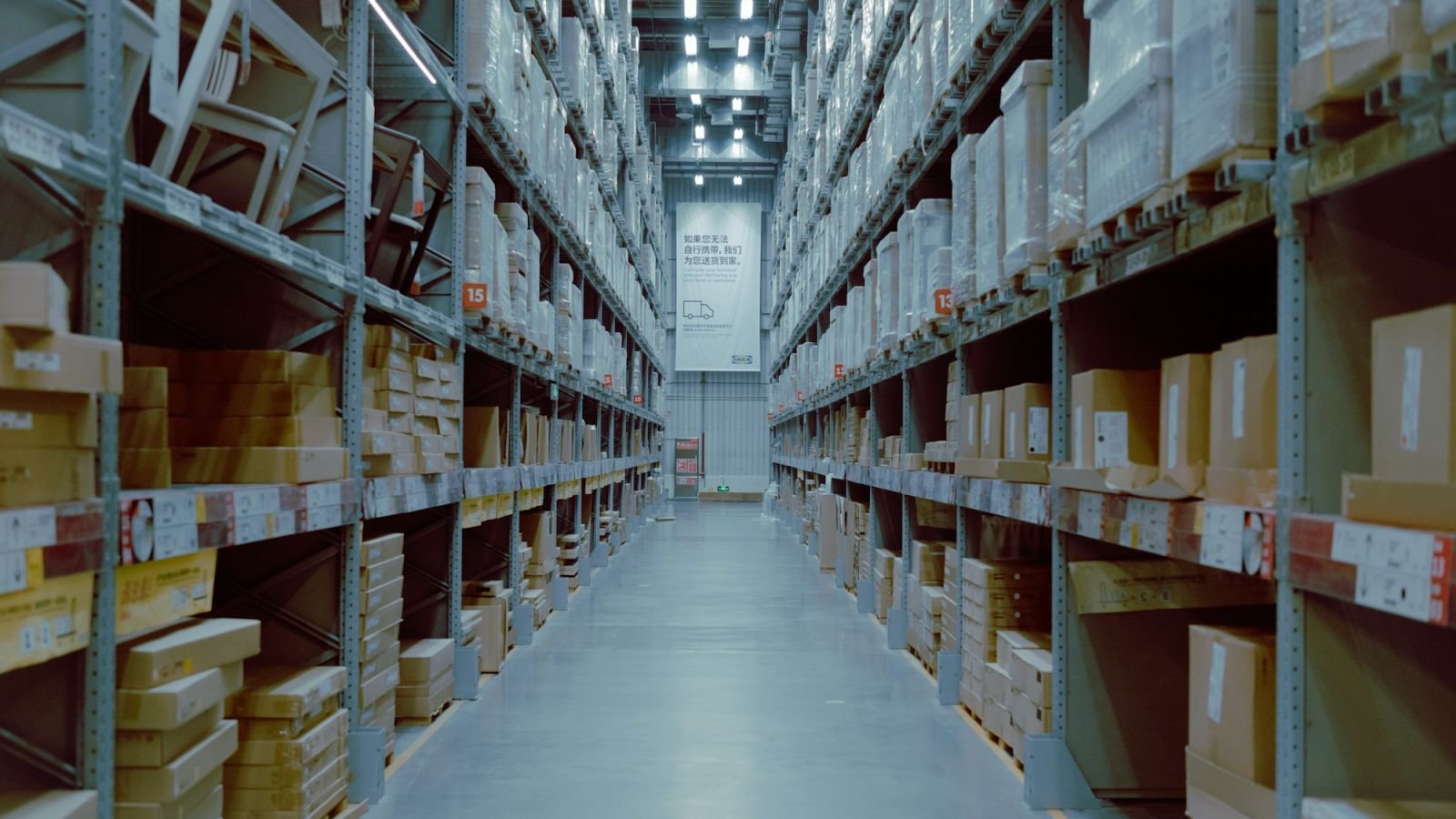
A recycling facility or transfer station is the most hostile cleaning environment in commercial cleaning. The incoming material is mixed waste, the soiling is heavy and unpredictable, the odour is significant, pests are a constant risk, and the hazards include heavy machinery and confined spaces.
Recycling facility cleaning is industrial housekeeping with a public-health dimension: litter and odour control, pest management support, and safety-critical walkway and egress maintenance.
Not safety or regulatory advice. Waste facilities operate under provincial environmental and occupational health and safety requirements, and often under environmental approvals. Work to the facility's procedures, and never beyond your training or authorisation.
Key takeaways
- Never enter bunkers, pits, hoppers, balers or confined spaces without authorisation and a permit — critical
- Never handle sharps, needles, medical waste or hazardous material — report it — critical
- Machinery and vehicle movement are the primary injury risks
- Odour and pest control depend on cleaning the sources: drains, residue and standing liquid
- Litter control is a major environmental compliance issue, not just tidiness
The hazards that define the work
| Hazard | Control |
|---|---|
| Moving plant and vehicles | Segregated routes, high-visibility clothing, radio contact, never walk behind plant |
| Confined spaces | Permit, training, attendant, rescue plan — never enter otherwise |
| Sharps and needles in material | Never handle — report for specialist removal |
| Biohazards and bodily fluids | Never handle — report and let trained staff respond |
| Heavy litter and debris | Correct manual handling, mechanical aids |
| Odour and airborne contaminants | Respiratory protection where required |
| Pests — rodents, birds, insects | Cleaning supports control; report evidence |
| Slips from residue and liquids | Continuous cleaning of walkways, prompt spill response |
| Dust | See industrial plant cleaning |
Operational areas and tipping floors
- Sweep or machine clean tipping floors and operational areas on a schedule — critical
- Keep pedestrian walkways and marked routes clean and clear — critical
- Clean residue and litter from around conveyors, hoppers and sorters — never reach into machinery — critical
- Clean floors beneath and around fixed plant where accessible and authorised
- Remove accumulated waste from corners, edges and under structures
- Never climb onto plant, bunkers or stockpiles
- Clean control rooms, weighbridges and operator cabins to a normal standard
- Report machinery faults, blockages and damage — never clear a blockage yourself — critical
Bunkers, pits and confined areas
- Assume confined space. Do not enter without a permit, training, an attendant and a rescue plan — critical
- Never reach into a bunker, hopper or pit from above — critical
- Clean only the accessible perimeter, and report what cannot be reached safely
- Never enter a baler, compactor or shredder under any circumstances — critical
- Never bypass or defeat an interlock, guard or safety device — critical
Drains, leachate and liquid control
The main odour and environmental risk.
- Clean and clear drains, channels and sumps where authorised — critical
- Never wash residue or leachate into storm water — critical (environmental offence)
- Clean up standing liquid promptly and report recurring accumulations — critical
- Clean and clear drainage grilles and surrounds
- Report any sheen, discolouration or odour near a drain immediately — critical
- Confirm what the facility's discharge approval permits before using water
Odour and pest control support
Cleaning does not control pests, but it removes what attracts them.
- Clean up organic residue and food waste promptly — critical
- Keep bins, containers and skips closed and clean
- Clean bin exteriors and surrounds — critical
- Remove standing liquid and damp material
- Report all pest evidence immediately — droppings, gnaw marks, nests, flies, birds — critical
- Never attempt pest treatment. Report it
- Keep vegetation and litter clear from building perimeters
Amenities, offices and welfare areas
Cleaned to ordinary commercial standards, and they matter for staff morale and inspections.
- Clean and sanitise washrooms fully — critical
- Clean and dry floors — critical
- Restock soap, towel and toilet paper — critical
- Clean change rooms, lockers and showers — critical
- Clean canteens and break areas to food standards — critical
- Clean offices, control rooms and weighbridge cabins
- Empty and clean bins
- Report damage and faults
Litter control and perimeter
Often tied to environmental approvals.
- Clear litter from the site perimeter, fencing and approach roads — critical
- Clear litter from drainage and surface water routes — critical
- Keep stockpiles and containers tidy and covered where required
- Clean external signage, lighting and barriers
- Report damaged fencing, gates and containment — critical
- Report any wildlife or vermin activity
Safety requirements
- High-visibility clothing and any required PPE at all times on site — critical
- Never work alone in operational areas
- Never walk behind or beside moving plant without a positive signal from the operator — critical
- Never use a mobile phone while walking in operational areas
- Know the site's traffic management and pedestrian routes and use them — critical
- Respiratory protection where the facility requires it
- Never handle unknown material, containers, drums or gas cylinders — report them — critical
- Know the emergency, spill and evacuation procedures
Framework: health and safety guide for Canadian cleaners and WHMIS for cleaners.
Inspecting a recycling facility
Score these as critical:
- Walkways and pedestrian routes clean, clear and dry
- No litter accumulation in operational or perimeter areas
- Drains and channels clear; no standing leachate
- Bin and container exteriors and surrounds clean
- No sharps, biohazards or unknown materials left in place
- Amenities, washrooms and change rooms clean and stocked
- No confined space entered without permit
- No machinery interlock or guard bypassed
- Pest evidence reported rather than treated
- Egress routes clear
- Records completed and observations reported
Frequently asked questions
Can cleaning staff enter bunkers or pits at a recycling facility?
No, not without a confined space permit, specific training, an attendant and a rescue plan. These are high-hazard environments and entry without those controls should never happen, regardless of how the task is framed.
How do you handle sharps or medical waste found in recycling?
Never handle it. Report the location to facility management and let trained personnel remove it with proper equipment. This applies to needles, syringes, medical waste and any unknown material.
What causes odour at a waste facility, and how is it controlled?
Usually organic residue, leachate in drains and channels, standing liquid and uncleaned container exteriors. Cleaning removes the sources; masking odour does not work and is not the objective.
Is pest control part of recycling facility cleaning?
Only indirectly. Cleaning removes the food, residue and harbourage that attract pests, and cleaners must report pest evidence immediately. Treatment itself is a licensed pest control function.
What is the biggest injury risk at a waste facility?
Moving plant and vehicles, followed by confined space entry, sharps, and slips on residue. Traffic segregation, high-visibility clothing, radio contact with operators, and never entering confined spaces without a permit are the core controls.
Hostile environment, strict controls
A waste facility is cleaned by controlling hazards first and soiling second. The rules about confined spaces, sharps and machinery are absolute, and reporting is almost always the right action.
NeatScore lets you build facility checklists with safety, drainage and pest items flagged critical, record completion with photos, and keep a dated record supporting both housekeeping and compliance. Try it free for 7 days, or see pricing.