Spa and Wellness Centre Cleaning: Treatment Room Hygiene
How to clean spas and wellness centres, covering treatment rooms, linen, wet areas, relaxation spaces and the disinfection standards clients expect.
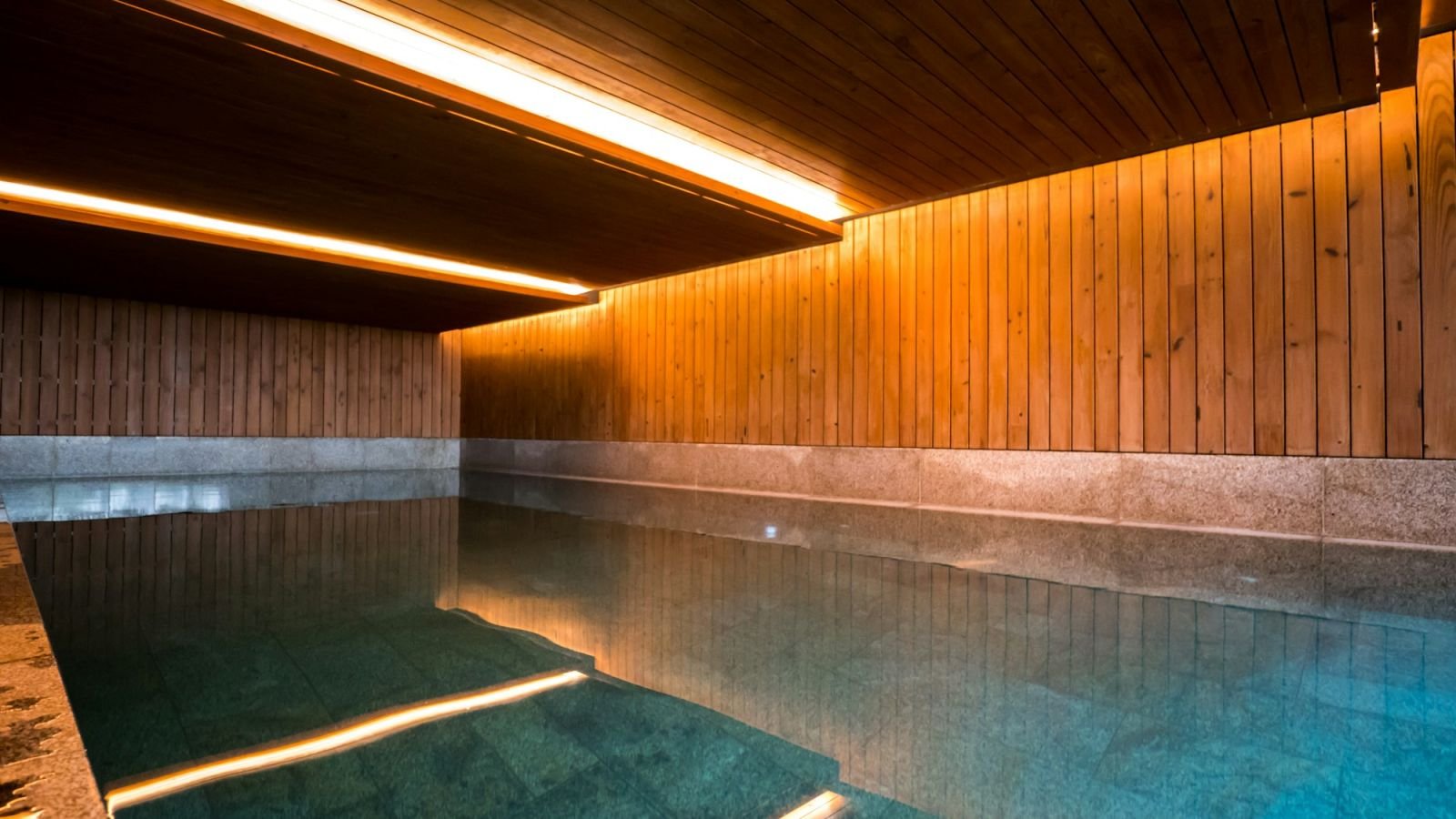
A spa sells an experience, and the experience is delivered on surfaces: treatment tables, towels, floors, steam rooms and relaxation lounges. Clients are paying for cleanliness as much as for the treatment, and they are undressed and vulnerable while they are there.
Spa cleaning therefore combines clinical standards in treatment areas with hospitality standards everywhere else.
Key takeaways
- Treatment rooms need disinfection between clients, not just tidying
- Linen is a hygiene control, not a comfort item
- Wet areas — steam, sauna, showers — carry the highest hygiene and slip risk
- Discretion and privacy are operational requirements
- Fragrance and product choice matter: strong chemical odours destroy the experience
Treatment rooms
Cleaned between every client, without exception.
- Clean and disinfect the treatment table, including the frame, legs and face cradle — critical
- Change all linen between clients — sheets, face covers, towels — critical
- Clean and disinfect all touchpoints: door handles, light switches, product bottles, equipment controls — critical
- Clean and disinfect any tools or equipment per the facility's protocol — critical
- Wipe bowls, trolleys, stands and product containers — critical
- Clean and sanitise sinks where present — critical
- Vacuum or mop floors, reaching under tables and trolleys — critical
- Empty and clean waste; handle any clinical or sharps waste per the facility's policy only — critical
- Wipe down the room after each client to reset for the next
- Clean mirrors, glass and decor
- Report any spill of body fluids rather than cleaning it unless trained and equipped — critical
Wet areas: steam, sauna, showers
- Clean and disinfect showers, screens and fittings — critical
- Treat floors, grout and walls for fungal growth — critical
- Clean and disinfect benches, seating and handrails — critical
- Mop and dry floors continuously — critical
- Squeegee and remove standing water
- Clean and treat drains — critical (the main odour source in wet areas)
- Clean sauna and steam room surfaces per the facility's protocol and manufacturer guidance
- Clean steam room vents and grilles
- Restock towels, robes and consumables
- Report damage, mould and leaks — critical
Relaxation and lounge areas
The perception of cleanliness matters as much as the fact of it.
- Vacuum and spot clean soft seating and rugs
- Clean and disinfect shared touchpoints: tables, magazines area, remote controls, water stations — critical
- Clean and disinfect water and tea stations to food standards — critical
- Wipe side tables and ledges
- Clean glass and internal glazing
- Empty and clean waste
- Straighten and reset the space between sessions
- Remove used cups, glasses and towels promptly
Reception, retail and corridors
- Clean and disinfect reception counters, terminals and pens — critical
- Clean and disinfect seating and door handles — critical
- Clean glass, doors and displays — critical
- Dust and clean retail shelving and product displays — critical (retail presentation is revenue)
- Vacuum and mop floors; spot clean spills
- Clean signage and menus
- Empty and clean bins
- Use fragrance-free or facility-approved products — clients are there for the scent environment the spa controls
Linen handling
- Never reuse linen between clients — critical
- Handle soiled linen in bags, never loose through public areas — critical
- Store clean linen separately, covered and off the floor — critical
- Follow the facility's linen laundering and rotation procedure
- Report stained, damaged or worn linen for removal
- Keep linen storage areas clean and dry
Discretion and conduct
- Knock and announce before entering treatment rooms — critical
- Never enter a room where a treatment is in progress
- Never discuss clients, treatments or conditions — confidentiality is expected and often contractual
- Work quietly and avoid disturbing treatments
- Do not move client belongings; work around them
- Respect do-not-disturb signs without exception
- Report anything concerning to the spa manager discreetly
Products and fragrance
- Use facility-approved products, and be cautious with strong chemistry in treatment areas
- Avoid aerosol sprays and heavily fragranced cleaners — they contaminate the environment the spa sells
- Ventilate where possible and clean when rooms are unoccupied
- Confirm product compatibility with spa equipment and finishes
- Never substitute a product without approval
Inspecting a spa
Score these as critical:
- Treatment tables and frames clean and disinfected
- Linen changed and clean linen stored correctly
- Touchpoints throughout clean and disinfected
- Wet areas clean, disinfected, dry and free of fungal growth
- Drains clear and odour-free
- Lounge and reception areas clean and reset
- Washrooms clean, stocked and dry
- No strong chemical or aerosol odour
- Soil linen handled and stored correctly
- No clinical or sharps waste handled outside policy
- Records completed
For the method, see what a cleaning inspection is; for cross-contamination controls, infection control cleaning.
Frequently asked questions
How often should treatment rooms be cleaned?
Between every client for tables, linen and touchpoints, with a fuller clean at end of day and periodic deep cleaning of floors, soft furnishings and ventilation.
Why does linen matter so much in a spa?
Because it is a direct hygiene control — it contacts skin and is used where clients are undressed. Never reusing linen between clients, and storing clean linen properly, are core requirements rather than comfort details.
What products should be used for spa cleaning?
Only those the facility approves, favouring fragrance-free or neutral products. Strong chemical and aerosol odours undermine the environment the spa is selling, and can irritate clients and staff.
How should spa staff handle soiled linen?
Bag it, never carry it loose through public or treatment areas, and follow the facility's laundering and rotation procedure. Clean linen is stored separately, covered and off the floor.
What is the biggest cleaning risk in a spa?
Cross-contamination in treatment rooms through inadequate disinfection between clients or reused linen. Wet areas are the second, particularly grout, drains and steam rooms where fungal growth establishes quickly.
An experience built on surfaces
A spa's reputation sits on treatment tables, towels and wet room floors. Those are the surfaces clients assess, and they are the ones that must never be compromised.
NeatScore lets you build treatment room and wet area checklists with disinfection and linen items flagged critical, record completion between clients with photos, and keep an auditable record for the facility. Try it free for 7 days, or see pricing.