Water Treatment Plant Cleaning: Confined Spaces and Chemical Areas
How to clean water and wastewater treatment plants safely, covering confined spaces, chemical areas, wet wells, and the strict safety controls these sites require.

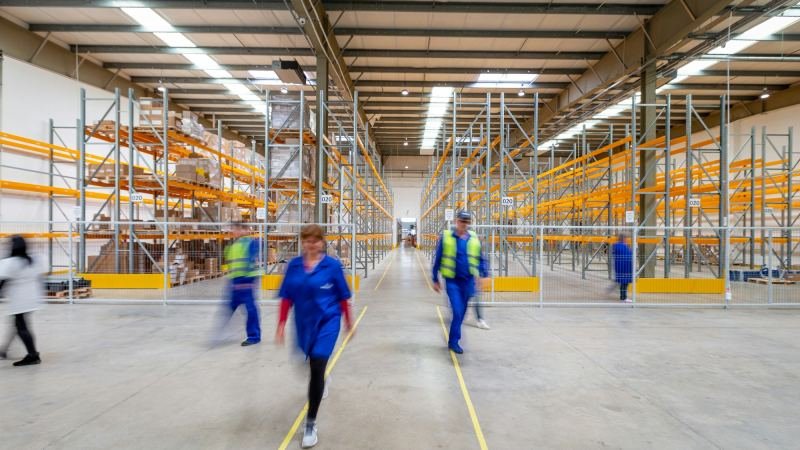
A water or wastewater treatment plant contains more serious hazards per square metre than almost any other facility: confined spaces, toxic and asphyxiant gases, hazardous chemicals, wet and slippery surfaces, and live electrical and mechanical plant.
Water treatment plant cleaning is therefore a permit-controlled activity rather than a cleaning job with safety precautions attached.
Not safety or regulatory advice. These sites operate under provincial occupational health and safety legislation and environmental approvals, with strict entry, permit and atmospheric testing requirements. Never work beyond your training, authorisation or permit, and never enter a confined space under any circumstances without full controls.
Key takeaways
- Confined spaces are the primary hazard. Entry requires a permit, testing, an attendant and a rescue plan — without exception
- Atmospheric hazards — hydrogen sulphide, methane, chlorine, low oxygen — kill quickly and without warning
- Chemical areas require specific training and PPE
- Much of the cleaning scope is accessible housekeeping, not vessel or wet well cleaning
- Never operate valves, pumps or plant controls
The hazards, and the controls
| Hazard | Control |
|---|---|
| Confined spaces (wet wells, digesters, tanks, vaults) | Permit, atmospheric testing, attendant, rescue plan, harness |
| Hydrogen sulphide (H₂S) | Gas detection, respiratory protection, never trust smell — it deadens the sense of smell |
| Methane | Gas detection, no ignition sources |
| Chlorine and other treatment chemicals | Specific training, PPE, never handle without authorisation |
| Low oxygen | Atmospheric testing before and during entry |
| Slips on wet, biologically active surfaces | Non-slip footwear, walkway maintenance, continuous cleaning |
| Live electrical and mechanical plant | Never touch controls, panels or equipment |
| Biological hazards | PPE, hand hygiene, never handle unknown material |
Confined spaces: the absolute rule
- Never enter a confined space without a permit, atmospheric testing, an attendant outside, a rescue plan and the required equipment — critical
- Never reach into a wet well, tank, sump or vault from above — critical
- Never assume a space is safe because it looks empty or has been entered before
- Never trust your nose. Hydrogen sulphide deadens the sense of smell at concentrations that are already dangerous — critical
- If a gas alarm sounds, leave immediately and do not investigate — critical
- Never attempt a rescue. Summon trained responders — critical
- Clean only the accessible perimeter, and document what could not be reached
Accessible housekeeping
The bulk of a cleaning contract at a treatment plant, and genuinely valuable.
- Sweep and machine clean walkways, platforms and floors — critical
- Keep walkways clear, dry and free of algae and biological growth — critical (slip risk)
- Clean handrails, guardrails and stair treads — critical
- Clean grating and floor plates, and report damage — critical
- Clean walls, kerbs and bunded areas within reach
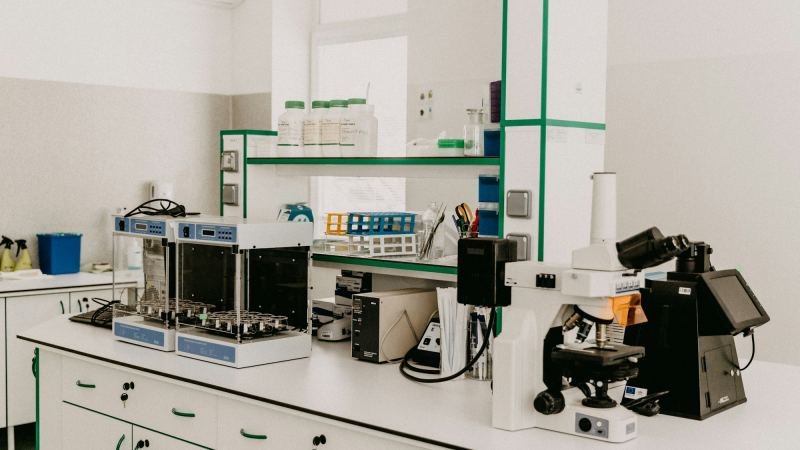
- Clean control room, laboratory and office areas to normal standards
- Clean and restock washrooms, change rooms and showers — critical
- Clean messrooms and welfare facilities to food standards — critical
- Empty and clean bins
- Clean windows, glazing and internal partitions
- Clean signage and safety notices — critical (must remain legible)
Chemical areas and dosing rooms
- Never handle, move, open or connect treatment chemicals unless specifically trained, authorised and contracted — critical
- Clean floors, bunds and surfaces only where authorised and with compatible products — critical
- Never mix chemicals, and never bring unapproved products into a dosing area — critical
- Clean up only what you are authorised to clean; report all spills — critical
- Confirm spill kit locations and the facility's spill procedure
- Report damaged containers, corroded fittings, leaks and unusual odours immediately — critical
- Know the WHMIS labelling and safety data sheets for your own products — see WHMIS for cleaners
Wet areas and biological growth
- Clean and treat algae and biological growth on walkways and walls — critical
- Clean and clear drainage channels and grilles — critical
- Report standing water and recurring wet patches
- Clean and clear scum, rag and debris from screens and gratings only where authorised — critical
- Never handle material that may contain sharps or medical waste from incoming wastewater — report it — critical
- Maintain hand hygiene and never eat, drink or smoke on site
Safety and access discipline
- Sign in and follow the site's permit system exactly — critical
- Never work alone in process areas
- High-visibility clothing and site-specific PPE at all times
- Never touch valves, pumps, panels, switchgear or control systems — critical
- Never walk on unauthorised surfaces — tank covers, grating and bunds may be fragile
- Confirm atmospheric monitoring requirements with the facility before every visit
- Know the emergency alarm, muster point and evacuation procedure
- Report every near miss and incident
Inspecting a treatment plant
Score these as critical:
- Walkways clean, dry and free of algae and debris
- Handrails, guardrails and stairs clean and secure
- Gratings and floor plates clean, secure and undamaged
- No standing water or wet patches left unreported
- Drains and channels clear
- Welfare facilities, washrooms and change rooms clean and stocked
- Control rooms and offices clean
- Safety signage clean and legible
- No confined space entered
- No chemicals handled or plant touched
- Egress routes clear
- Records completed and observations reported
For the method, see what a cleaning inspection is; for the broader industrial framework, industrial plant cleaning.
Frequently asked questions
Can cleaning contractors clean wet wells or tanks at a treatment plant?
Only under a full confined space programme: permit, atmospheric testing, trained entrants, an attendant outside, rescue provision and appropriate equipment. Most cleaning contracts explicitly exclude this, and it should never be attempted without those controls.
Why is hydrogen sulphide so dangerous?
Because it is toxic at relatively low concentrations and deadens the sense of smell at levels that are already hazardous, so you cannot rely on smell to detect it. Gas detection and never entering a confined space unevaluated are the essential controls.
What cleaning can safely be done at a water treatment plant?
Accessible housekeeping: walkways, platforms, handrails, stairs, gratings, walls and kerbs, plus offices, control rooms, laboratories, washrooms, change rooms and welfare facilities. Vessel, wet well and chemical system cleaning requires specific authorisation.
Should cleaners handle treatment chemicals?
No, unless specifically trained, authorised and contracted. Dosing areas carry serious chemical hazards, and unapproved products or mixing can cause dangerous reactions. Cleaners should report chemical concerns rather than act on them.
What are the main injury risks at a treatment facility?
Confined space entry, atmospheric hazards, chemical exposure, slips on wet and biologically active surfaces, and contact with live plant. All require method control before work begins, not care during it.
Permits before mops
At a treatment plant the permit and the gas monitor come first, and most of the cleaning value lies in accessible housekeeping and infrastructure condition reporting.
NeatScore lets you build plant checklists with confined-space, chemical and slip items flagged critical, record completion with photos, and keep a dated record supporting safety and compliance reporting. Try it free for 7 days, or see pricing.