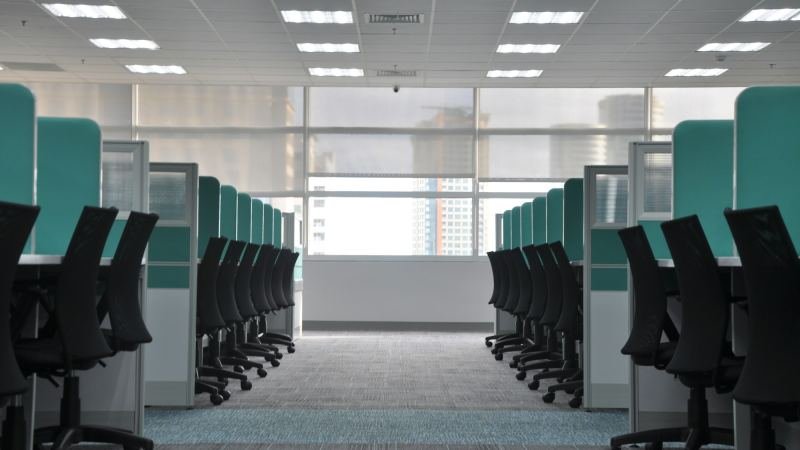
Banquet Hall Cleaning: Event Turnarounds and Function Rooms
How to clean banquet halls and event spaces, covering pre-event setup checks, post-event turnarounds, food and beverage areas, and the variable load that makes planning essential.
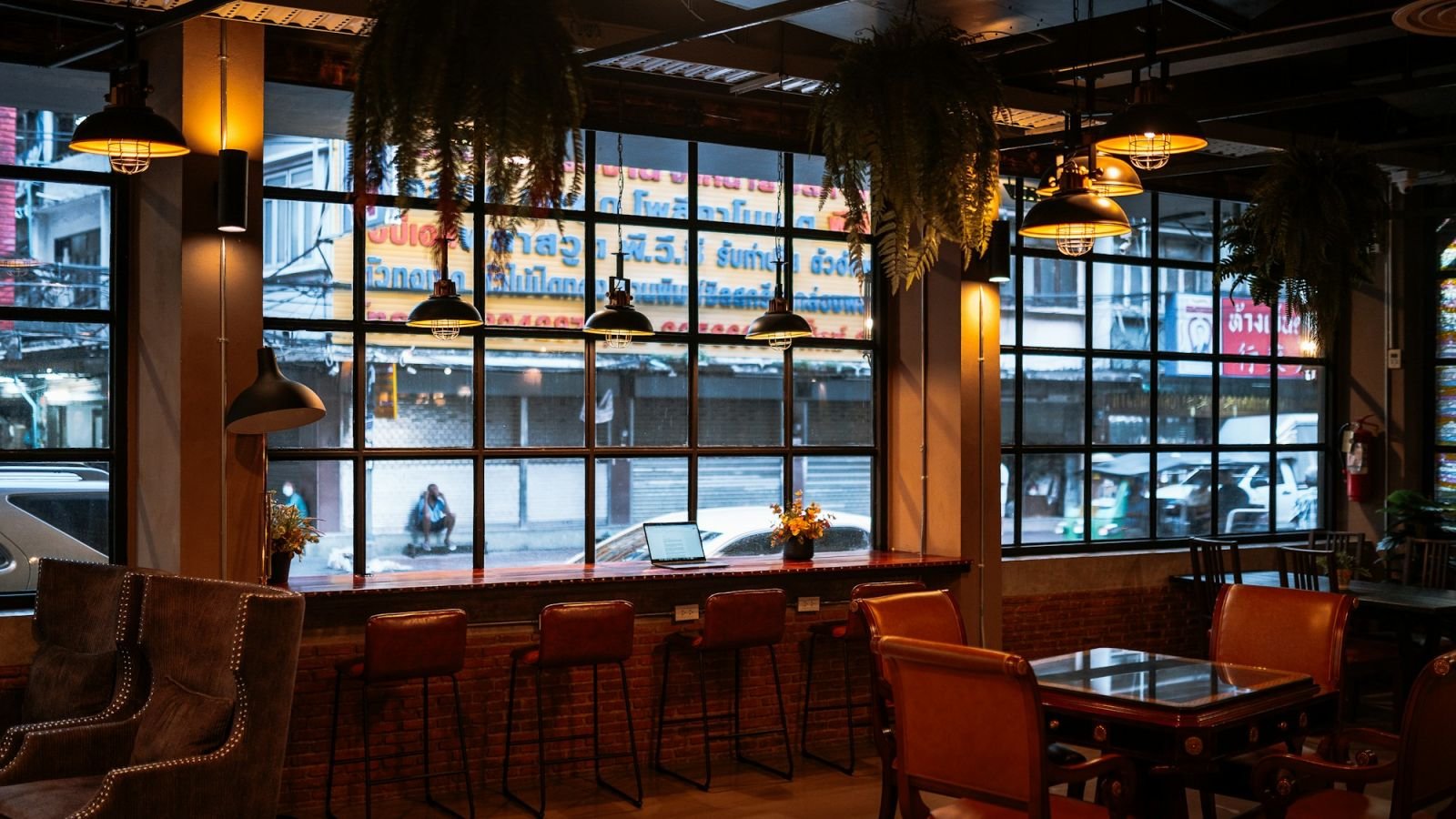
A banquet hall does not have a cleaning schedule so much as a cleaning calendar tied to bookings. One week may hold two events; the next may hold seven with a two-hour turnaround between a wedding and a corporate breakfast.
Banquet hall cleaning is therefore about turnaround flexibility and reset standards, not a fixed daily routine.
Key takeaways
- The load is entirely booking-driven. Planning follows the calendar, not the clock.
- The post-event turnaround is the critical window, and it varies wildly in soiling.
- Floors take the worst of it — food, drink, wax, glitter and confetti
- Kitchen and bar areas carry food-safety requirements even if the hall only reheats
- Reset standards are what the next client sees, and what wins the repeat booking
Pre-event preparation
What the client walks into, and often the deciding impression.
- Vacuum and mop the entire function floor, including under tables and at edges — critical
- Wipe and polish tables and chairs; check for damage and report it — critical
- Clean and disinfect bars, service counters and stations — critical
- Clean glass, mirrors and internal partitions — critical
- Clean and restock washrooms — critical
- Clean entrances, lobbies and cloakrooms — critical
- Clear corridors, fire exits and egress routes — critical
- Clean signage, lecterns and staging areas
- Set out per the event's requirements where contracted
- Report any damage, stains or faults the previous event left — critical
That last point matters commercially. Photograph and report pre-existing damage before the next event, or it becomes your problem.
Post-event turnaround
The window is short and the soiling is unpredictable.
Sequence it correctly:
- Clear waste and glassware first so the floor can be worked
- Remove linen, table decorations and leftover event materials per instruction
- Sweep or vacuum confetti, glitter, wax and debris — critical
- Spot clean spills — red wine, sauces, wax and drink residue — critical
- Clean and wipe tables, chairs and bars — critical
- Clean and stock washrooms — critical
- Mop or machine scrub floors, degreasing sticky areas rather than spreading them — critical
- Clean glass, doors and mirrors
- Empty and clean all bins
- Reset for the next event
Wax and glitter need removing, not just sweeping — wax marks carpet and hard floors, and glitter reappears for weeks. Report if the floor will need extraction before the next booking.
Floors: the main battleground
- Carpet: vacuum thoroughly, spot treat spills immediately, and extract on a schedule. Wine, gravy and wax all need prompt treatment — critical. See commercial carpet cleaning
- Hard floors: sweep or vacuum first, degrease sticky residue, machine scrub, and dry — critical. See hard floor cleaning methods
- Dance floors: often finished and easily damaged. Use compatible products only, and never soak
- Sign wet floors and dry before the next event — critical. See slips, trips and falls prevention
- Clean edges, thresholds and behind bar areas where spills collect
Kitchen, bar and service areas
Even a hall that only reheats carries food-safety obligations.
- Clean and sanitise food-contact surfaces — critical
- Clean and sanitise sinks and flush drains — critical
- Clean and disinfect fridges and freezer handles and interiors — critical
- Degrease and clean ovens, ranges and cooking equipment exteriors — critical
- Sweep and mop floors with a degreaser — critical
- Clean and clear grease traps and drains as instructed — critical
- Empty and clean waste, and keep bins lidded — critical
- Clean bar counters, taps, drip trays and glassware areas — critical
- Restock consumables as required
- Report pest evidence immediately — critical
The detail is in food safety cleaning and restaurant cleaning checklist.
Washrooms and cloakrooms
Frequently judged and frequently neglected during events.
- Service during events where the booking provides for it — critical
- Clean and disinfect all fixtures — critical
- Clean and dry floors — critical
- Restock soap, towel and toilet paper — critical
- Empty and reline bins and sanitary units — critical
- Clean mirrors, partitions and doors
- Address odour at source
- Clean cloakroom counters, rails and hangers
- Report damage and vandalism — critical
Entrances, exteriors and grounds
- Clean entrance glass, doors and handles — critical
- Clean and manage matting in wet weather — critical
- Clear litter, confetti and event debris from approaches and parking areas
- Clean external signage, bollards and railings
- Winter: manage salt, slush and ice at entrances — critical
- Report damaged paving and lighting
Planning around bookings
- Confirm the event calendar in advance so crew size and timing can be planned
- Agree turnaround windows in writing, including the minimum between events
- Flag when a booking makes the turnaround unachievable rather than failing silently
- Photograph pre-existing condition before each event — critical
- Record what each event left — some clients consistently leave more damage than others
- Build in extraction and deep clean between heavy bookings, not instead of it
- Confirm what is in scope for event setup and breakdown, which is often not cleaning
Inspecting a banquet hall
Score these as critical:
- Function floor clean, dry and free of food, wax, glitter and residue
- Tables and chairs clean and undamaged
- Bar and service areas clean and disinfected
- Kitchen surfaces clean and sanitised where in scope
- Washrooms clean, stocked, dry and odour-free
- Entrances and cloakrooms clean
- Egress routes and fire exits clear
- Bins emptied and clean
- Pre-existing damage reported and photographed
- Reset completed before next event
- Records completed
Frequently asked questions
How long does a banquet hall turnaround take?
It varies enormously with the event. A seated dinner with wax, confetti and carpet spills can take several times longer than a standing reception. Turnaround windows should be agreed in writing, and unrealistic ones flagged in advance rather than failed silently.
How do you remove wax and confetti from a banquet hall floor?
Sweep or vacuum confetti and glitter first, then treat wax on hard floors by freezing or with an appropriate product rather than scraping, and spot treat wax on carpet before it sets. Report if extraction is needed before the next booking.
Does a banquet hall kitchen need full food-safety cleaning?
Yes, where food is prepared or held. Even halls that only reheat need food-contact surfaces cleaned and sanitised, sinks and drains cleaned, refrigeration handles and interiors disinfected, and floors degreased.
Why is documenting pre-existing damage so important in event venues?
Because events cause damage, and without a photographic record from before the event, the damage becomes the cleaning company's responsibility. Reporting it protects both parties and identifies clients whose events cause repeated problems.
How do you plan cleaning around an unpredictable booking calendar?
By working from the calendar rather than a fixed rota, sizing crews per event, agreeing turnaround windows in writing, and building in extraction or deep cleaning between heavy bookings rather than as a substitute for turnaround work.
Bookings drive everything
A banquet hall clean is a calendar problem. The reset standard is what the next client sees, and documenting condition before each event is what keeps you from owning the last one's damage.
NeatScore lets you run pre-event and turnaround checklists per booking, record condition with photos, and keep a dated record across events and rooms. Try it free for 7 days, or see pricing.