Day Spa and Salon Cleaning: Wet Rooms, Tools, Linens and Turnover
How to clean day spas and salons properly, covering treatment room turnover, wet rooms, tool handling, linen control, chemistry and inspection points.
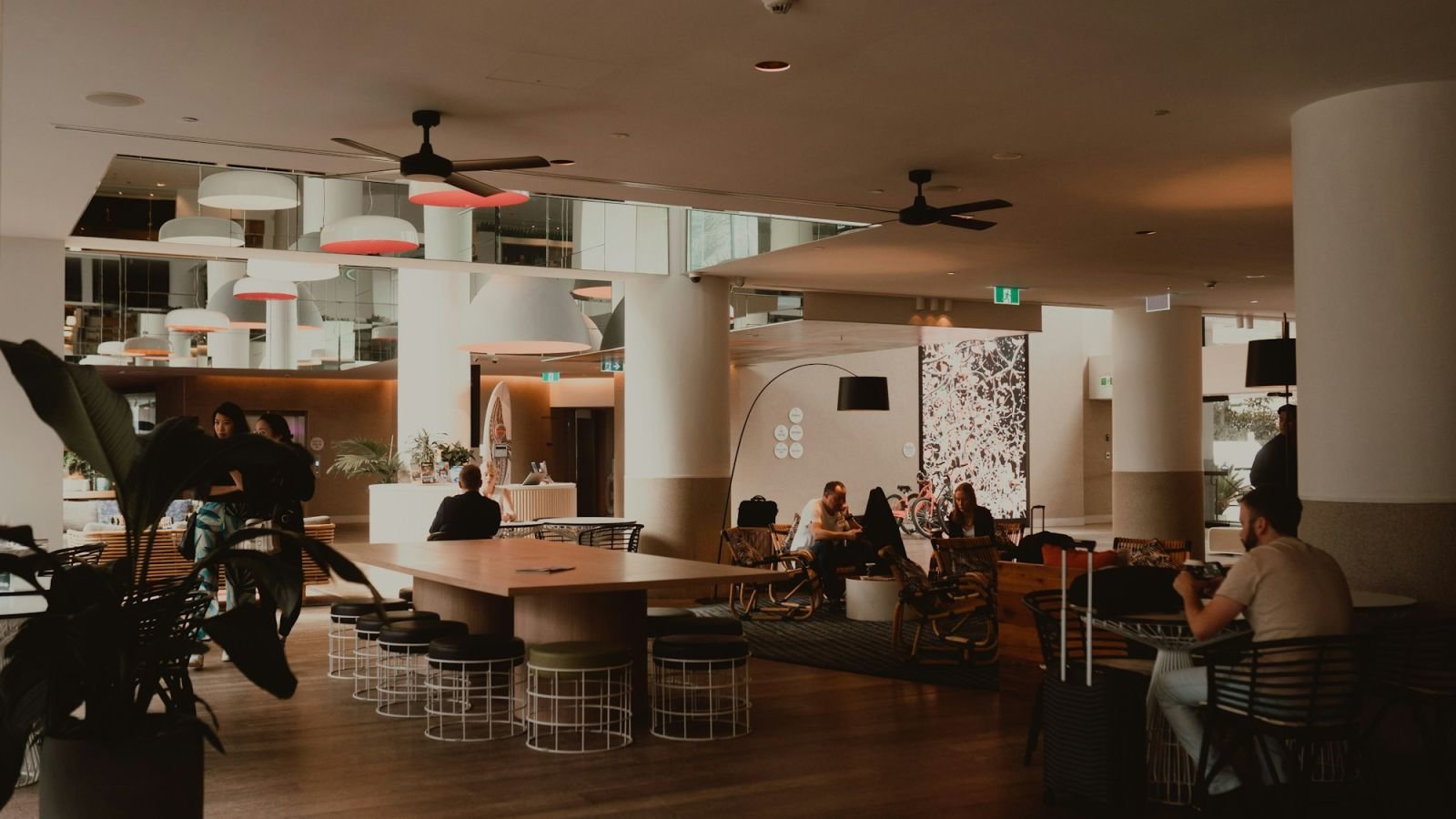
Day spa and salon cleaning sits in an awkward category. The rooms look calm and low-risk, but clients are in close contact with shared surfaces for extended periods, water and chemistry are everywhere, and some of the work in a salon involves skin, nails and occasionally blood. The cleaning method has to match the calm appearance with real hygiene discipline.
It also has one of the clearest scope lines in commercial cleaning: cleaning and disinfecting a surface is a contractor's job, and instrument sterilisation, skin treatments and anything involving blood are not.
Key takeaways
- Turn over each treatment station between clients, not at the end of the day, because the next client touches the same surfaces.
- Disinfect high-contact items and surfaces with a product and contact time appropriate to the surface, and let it work.
- Keep clean and dirty linens physically separated from collection point to laundry, with no shared carts or hands.
- Wet rooms need drainage, slip control and hard-water management, not just a wipe-down.
- Never handle sharps, blood or other body fluids, and never attempt instrument sterilisation — report instead.
Why spa and salon cleaning is different
- Long contact time. A client lies on a treatment bed for an hour, and every surface of that bed was touched by the previous client.
- Water and steam, constantly. Showers, steam rooms, wet tables, pedicure basins and plunge pools keep the whole area humid, so grout, silicone and gaskets stay wet.
- Chemistry on site. Colours, bleaches, perming solutions, acrylics and essential oils coexist with cleaning products, and some are aggressive.
- Hair, skin and nail debris. Fine hair defeats standard mopping, and nail dust settles into every seam.
- Small rooms, high turnover. Treatment rooms are compact, so cleaning happens around equipment rather than in open space.
Zone the facility and set the turnover
Build the plan from the client journey. Each zone has a different turnover trigger.
| Zone | Trigger | Core tasks |
|---|---|---|
| Reception and retail | Continuous | Counter, card terminal, seating, door handles, retail testers, floors |
| Treatment rooms | Between clients | Bed, face cradle, trolley, stool, lamp switch, door handle, floor |
| Manicure and pedicure | Between clients | Work surface, basin, footbath, tools per facility policy, dust and filings |
| Hair stations | Between clients | Station surface, trolley, chair, mirror surround, floor sweep |
| Wet rooms | Daily, plus continuous checks | Floors, walls, benches, drains, glass, slip control |
| Back of house | Daily | Linen room, laundry, chemical store, staff room, waste |
Turnover is usually shared. In most facilities, therapists turn over treatment rooms while the contractor handles shared areas, wet rooms, back of house and periodic work. The split must be written down, because the surfaces clients touch most are the ones that fall into the gap.
Between-client turnover of a treatment station
A workable turnover sequence:
- Strip the bed or station and place linens directly into the linen hamper, never on the floor — critical
- Clean visible soil and product residue from the bed, face cradle, trolley, stool and side table
- Disinfect all high-contact surfaces, including the lamp switch, door handle, trolley handles and stool legs — critical
- Let the disinfectant sit for the full label contact time before wiping, the principle behind any cleaning versus disinfecting routine — critical
- Restock consumables from closed containers, not from open jars that hands reach into
- Replace linens with clean stock handled only by clean hands, and make the bed last
- Look up: dust on shelves, light fittings and air vents falls onto the bed between clients
The last thing touched in a room should be the cleanest. If a therapist touches a bin lid or a floor before making a bed, the bed is contaminated before the client arrives.
High-contact items and what can be cleaned
Tools fall into three bands, and contractors should know which band they are in.
| Band | Examples | Who handles it |
|---|---|---|
| Clean and disinfect | Combs, brushes, clips, trays, trolleys, chairs, basins, footbaths, bed frames | Cleaning staff, per facility procedure |
| Facility-controlled disinfection | Reusable implements and tools the facility disinfects between clients | Facility staff to their health-authority requirements |
| Out of scope | Needles, blades, lancets, extractors that break skin, any instrument requiring sterilisation | Facility and licensed professionals only |
- Follow the facility's written disinfection procedure for reusable tools rather than improvising with a general-purpose cleaner
- Never assume a disinfectant works without contact time. A quick spray and wipe is a clean, not a disinfection — critical
- Keep tools that have been cleaned separate from tools awaiting cleaning, with separate labelled trays
- Never clean or handle sharps. Broken blades, lancets, needles and glass ampoules are a needle-stick risk. Report and let the facility's sharps procedure handle it — critical
- Never attempt sterilisation, and do not describe cleaning as sterilising. Sterilisation is a validated process with logged equipment that a cleaning contractor does not run — critical
Scope note: Instrument sterilisation, skin penetration services, blood or body fluid clean-up and sharps handling are normally outside a cleaning contractor's scope. Confirm in writing what is included, and report rather than act on anything outside it.
If a client bleeds or a blood spill occurs, the contract should already say what happens. Cleaning contractors should not treat blood spills unless the contract specifically includes trained, equipped blood-borne pathogen response. Report, isolate the area and let the facility follow its own exposure procedure — critical.
Wet rooms, showers and steam areas
Wet areas age badly when cleaning focuses only on what is visible at eye level.
- Clean and disinfect shower floors, walls, benches, seats, handrails and fittings daily, treating the wet room floor as a slip risk as much as a hygiene one
- Clean and clear drains and grates, and report slow drainage, odour or back-flow rather than dosing the drain with chemicals
- Treat hard water and soap scum with a product matched to the surface, and never use an acidic descaler on natural stone or on surfaces it will etch — critical
- Clean glass and screens with a product that removes soap film without scratching coatings
- Check and clean silicone joints and grout lines, and report mould, failing silicone or lifting tiles rather than sealing over them
- Control slip risk continuously. Wet rooms produce standing water all day, so signage, matting with drainage, squeegeeing and prompt spill response are the controls — critical
- Ventilate during and after cleaning, and report extraction that is not drawing, because poor ventilation drives mould growth
Mould that keeps returning, a leaking shower base, failed silicone and tile movement are maintenance issues: clean, document, report and let the facility arrange repair. Wider contamination treatment is covered in mould remediation.
Linen control
Linens are the most common cross-contamination route in a spa or salon, and the control is physical separation rather than extra detergent.
- Use clearly labelled or colour-coded clean and dirty linen handling at every stage
- Never carry clean linen against your body, and never reuse a towel or sheet between clients
- Keep hampers lidded, lined and positioned so soiled linen never touches a clean surface
- Never shake soiled linen in a treatment area, because it releases hair, skin cells and dust into the air
- Store clean linen in a closed cabinet off the floor, in a dry area away from chemical storage
- Follow the facility's laundry temperature and chemistry requirements, and run a separate cycle profile for heavily soiled items
- Clean and disinfect laundry carts, baskets and laundry room surfaces daily
Where the facility washes its own linens, the laundry room is part of the cleaning scope: floors, machine surrounds, lint traps, sinks and the floor drain. Lint behind dryers and around vents is a fire risk, so clean it on a set schedule and report build-up inside machine housings.
Restrooms, change rooms and shared facilities
These areas are judged by clients and audited by inspectors, and they are often busier than the treatment rooms.
- Check and clean restrooms on a defined frequency, recording the time of each check
- Disinfect toilet seats, flush handles, taps, soap dispensers, door handles, locks and hand dryers — critical
- Keep soap, towel and sanitising supplies full at all times; an empty dispenser in a spa is a reputational event
- Clean change rooms, lockers, benches, hooks and cubicle walls daily, and disinfect where skin contact occurs, following locker room cleaning practice
- Clean showers, drains and floors thoroughly, since change rooms concentrate water and hair
- Empty sanitary and general waste at least once per shift, and clean the bins
Chemistry, ventilation and staff safety
A salon carries more chemical variety than most commercial premises.
- Store cleaning chemicals separately from professional products, never in unlabelled containers — critical
- Never mix cleaning chemicals, particularly chlorine products with acids or ammonia-based products — critical
- Keep safety data sheets accessible on site and know the first aid measures for the products in use, following the labelling discipline set out in WHMIS for cleaners
- Wear gloves and eye protection wherever the label requires them, and ventilate while using them
- Never move, decant or dispose of the facility's professional products, including colour, bleach and acrylic monomers. Report spills and let trained staff follow the manufacturer's guidance
- Report damaged containers, corroded shelving or chemical staining rather than cleaning around them
Weak extraction over nail stations or in a colour bar is a reportable facility issue, not something to mask with fragrance.
Inspecting a spa or salon
| Inspection item | Standard | Critical |
|---|---|---|
| Treatment bed and face cradle | Clean, disinfected, fresh linen, no product residue | Yes |
| High-contact surfaces | Disinfected with correct product and contact time | Yes |
| Wet room floors and benches | Clean, disinfected, drained, slip controls in place | Yes |
| Drains and grates | Clean, free-flowing, no odour | Yes |
| Glass, screens and fittings | Free of soap film, scale and streaks | No |
| Grout and silicone | Clean, intact, no mould or lifting | Yes |
| Linen handling | Clean and dirty separated end to end | Yes |
| Restrooms | Stocked, clean, disinfected, record signed with time | No |
| Waste and sharps | Bins closed and emptied; no sharps handled by cleaning staff | Yes |
| Chemical storage | Labelled, separated, safety data sheets on site | Yes |
| Ventilation | Extraction drawing, no standing moisture or odour | No |
| Pest evidence | None present | Yes |
A short scored inspection per visit, with photos and times, is what lets a spa owner see that the calm-looking room was actually reset to standard.
Where this fits in the quality system
Spa and salon work belongs in the same scored inspection as the rest of the portfolio, under the structure described in our inspection checklist, with wet room and high-contact items flagged critical.
Related reading
Frequently asked questions
How often should treatment rooms be cleaned?
Every treatment station is cleaned and disinfected between clients, including the bed, face cradle, trolley, stool, lamp switch and door handle, and the floor is cleaned as the treatment type requires. Deep cleaning of vents, high surfaces, curtains and upholstery belongs on a weekly or periodic schedule. The between-client reset is usually the therapist's task, so the split belongs in the contract in writing.
Can a cleaning contractor disinfect salon tools?
Only where the facility's written procedure authorises it and the tool does not require sterilisation. Combs, brushes, clips, trays and basins can be cleaned and disinfected with an appropriate product at the label contact time. Reusable implements the facility disinfects follow the facility's procedure, and anything requiring sterilisation is not a cleaning task.
What should a cleaner do if they find a needle or broken blade?
Stop, do not touch it, and report it to the facility. Sharps go into an approved sharps container using tongs or a dedicated tool, handled by someone trained and authorised to do it. Never pick up sharps by hand, place them in general waste, or try to recap a blade. The facility's sharps procedure should be named in the site documentation.
Is it safe to use bleach in a spa or salon?
Only where the surface tolerates it and the facility's procedure allows it, and never mixed with any other product. Bleach damages some surfaces, corrodes metal fittings and is hazardous if it contacts acids or ammonia-based products. Many facilities specify a different disinfectant for colour bar, nail and wet room areas, so follow the facility's procedure and the product label.
Who is responsible for the spa's laundry?
Usually the facility, but the split varies. Some spas wash linens on site and expect the contractor to clean the laundry room itself, while others use an external service and expect the contractor to manage hampers and storage. Either way, clean and dirty linen must stay physically separated at every stage, and each step should be named in the specification.
Calm rooms, disciplined method
A spa or salon looks after itself until you inspect it closely. The surfaces clients touch for an hour at a time are reset by hand, water sits in every joint, linen moves through the building twice a day and chemistry is stored in every back room. Getting the turnover sequence, linen separation, wet room discipline and scope boundaries right is what makes the room actually clean rather than merely tidy.
NeatScore lets you build area-specific checklists with critical items flagged, record completion with photos, and keep a dated report your client can trust. Try it free for 7 days, or see pricing.