Fire Safety Inspection: Weekly and Monthly Life Safety Checks
A fire safety inspection is routine work: the weekly and monthly checks a manager can do, the records that prove them, and what to leave to contractors.
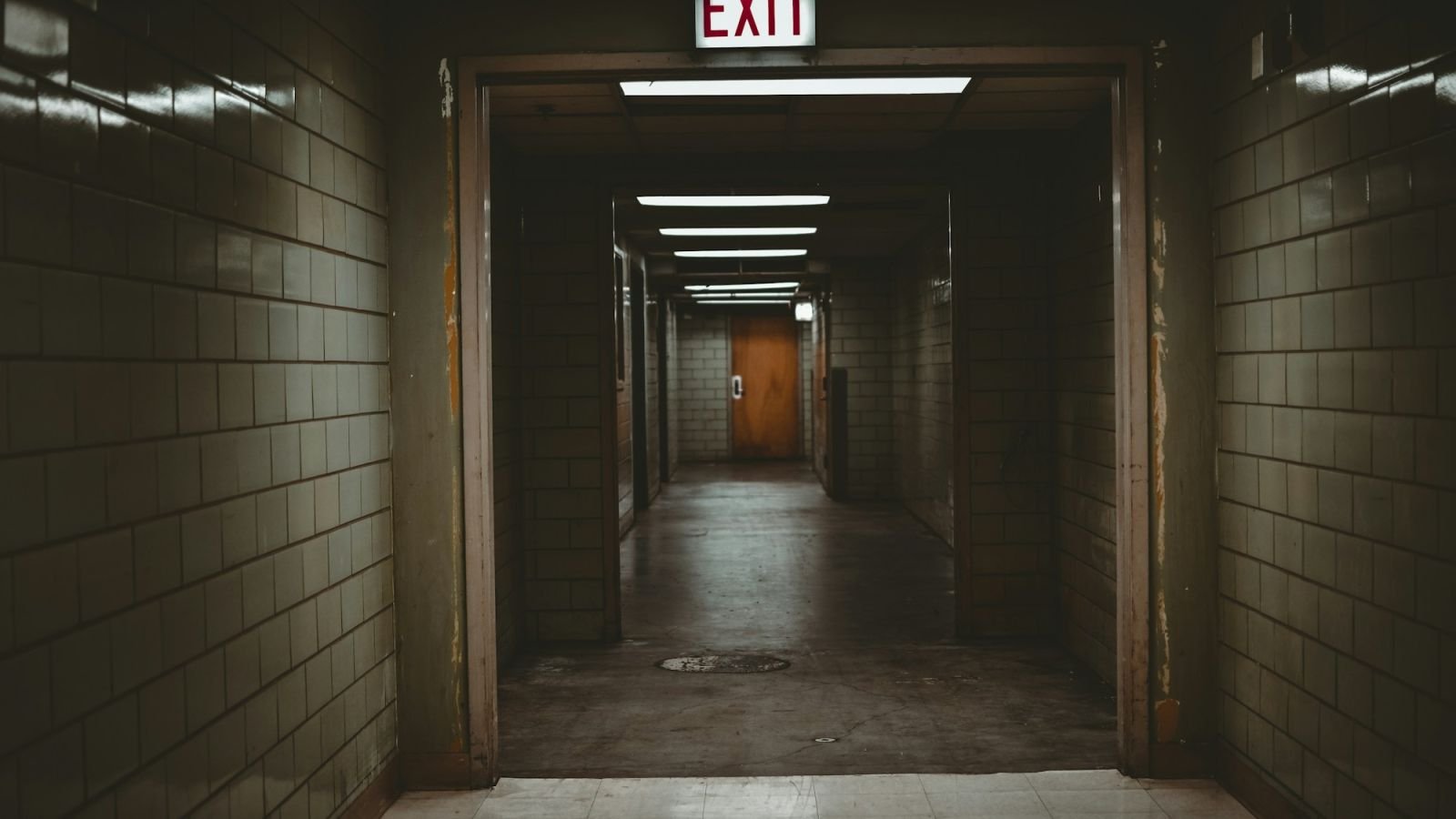
A fire safety inspection in a managed building is not one annual event. It is a set of small, repetitive checks — a door that still self-closes, a corridor that is still clear, a panel that still reads normal — done often enough that nothing drifts out of compliance between contractor visits.
The division of labour is straightforward. Managers and building operators perform the routine visual checks and keep the records. Fire alarm systems, sprinklers, extinguishers, emergency lighting and fire doors are inspected, tested and serviced by qualified contractors working under the local fire code.
Key takeaways
- Routine fire safety inspection work is visual and recordable: egress clear, doors closing, extinguishers in place, signs lit, panel normal.
- Test, service and repair fire protection systems with a qualified contractor; managers do not test alarms, discharge extinguishers or open panels — critical
- Never silence, reset or bypass a fire alarm panel unless you are trained, authorised and following a written procedure — critical
- The record is the deliverable: frequency, date, who checked, what was found, what was done, and when it was closed.
- Monthly checks catch drift in weeks; annual contractor inspections certify condition once a year. You need both.
- A blocked exit or a propped fire door is a defect to clear immediately, not an item for next month's list — critical
What does a fire safety inspection actually cover?
It covers everything that has to work on the night it is needed: exits that open, paths that stay clear, doors that close themselves, signs you can see through smoke, extinguishers where the plan says they are, and a fire alarm panel showing normal. In most Canadian jurisdictions the local fire code, such as Ontario's Fire Code, O. Reg. 213/07, requires the building to have a fire safety plan, and the plan — not your own judgement — sets out what gets checked and how often.
Your checklist should mirror the plan's obligations. An inspection that measures something the plan does not require is a hobby; a plan requirement with no record behind it is a gap an inspector will find.
What it is not: a system test. It does not confirm a smoke detector detects smoke, a sprinkler head opens at the right temperature, or a generator carries the load. Those are verified by the contractor's test, and your job is to hold the certificate.
What must be checked weekly and monthly?
Answer first: weekly checks are about obstruction and immediate function, monthly checks are about condition and documented routine testing. Table 1 sets out a workable split.
| Check | Frequency | Who | Record |
|---|---|---|---|
| Exit doors open freely from the inside without a key, tool or special knowledge | Weekly | Building operator | Date, door, result |
| Egress routes and exit discharge clear of storage, furniture and ice | Weekly | Building operator | Photo if anything was moved |
| Fire doors and stairwell doors self-close and latch; nothing propped | Weekly | Building operator | Door, defect, action — critical |
| Extinguishers in place, gauge in operable range, pin and seal intact, tag legible | Monthly | Building operator | Extinguisher ID, date, initials |
| Exit signs illuminated and visible along the path of egress | Monthly | Building operator | Sign location, result |
| Emergency lighting function test | Monthly | Trained staff or contractor | Unit, duration, result |
| Fire alarm panel indicating normal, no trouble or supervisory signals | Weekly, and after any activity in the building | Building operator | Panel status, time, who was called |
| Standpipe, sprinkler and suppression system condition | Per contractor schedule | Qualified contractor | Contractor report filed |
| Extinguisher maintenance and hydrostatic testing | Annual and per interval | Qualified contractor | Certificate filed |
Two rules sit above the table. Anything that blocks an exit gets cleared the moment you see it, not logged for later — critical — and anything that involves testing, adjusting or silencing a system gets handed to the contractor or a trained person following a written procedure.
Who may perform each check, and who may not?
Managers and operators may perform visual checks and the simple function tests their training covers. Everything else belongs to a qualified contractor, and in some cases to a licensed or certified technician specifically.
Write down what each role may do on your site. A typical split:
- Building operator: walk the egress routes, clear obstructions, confirm doors self-close, confirm extinguishers are in place, read the panel status, report.
- Facilities manager: schedule the checks, review the log, verify contractor certificates, close deficiencies, report to the owner.
- Qualified fire protection contractor: inspect, test and maintain alarm systems, sprinklers, standpipes, extinguishers and emergency lighting; issue reports and tags.
- Nobody at the building: disables, bypasses, silences or resets a fire alarm panel without authorisation, or moves a sprinkler head, or "tests" a pull station to see what happens — critical
Scope note: Fire protection system testing and maintenance is outside a property or facilities manager's remit. Managers verify that tests happened, review the reports, and keep the records. Report defects and commission qualified contractors rather than adjusting anything yourself.
How do you record a fire safety inspection so it holds up?
Record enough that a stranger reading the log six months later can tell what was checked, by whom, when, and what happened next. That means five fields per entry: check performed, location, date and time, initials, and outcome — including "no defect found", which is a legitimate and useful result.
Paper logbooks still work, and many fire safety plans are written around them. The weakness is retrieval: when a fire department inspector asks for 14 months of monthly extinguisher checks in a 40,000 square foot building, a binder of loose pages takes a morning to assemble. A digital record that timestamps entries, attaches photos, and exports as one dated report answers the same question in a minute.
Photographs do real work here. A propped fire door photographed and then photographed closed, with times, is evidence of a correction. A corridor with a pallet in it, photographed and then clear, is the same. Without the second photo you have documented a hazard and nothing else.
Keep the log, fire safety plan, contractor reports, drill records and deficiency closures together. Our guide to compliance documentation covers retention and filing structure.
What happens when a check fails?
Clear it if you safely can, escalate it if you cannot, and write down both. A blocked exit or an obstructed extinguisher is a same-day correction by whoever is on site. A fire door that will not latch, a panel showing a trouble signal, a damaged extinguisher, or an exit sign that stays dark moves immediately to the contractor and to the owner if it cannot be corrected quickly — critical
Two failures deserve a phone call rather than an email. A fire alarm panel showing a trouble or supervisory condition means part of the system is not fully operational, and only a trained person should interpret or reset it. A fire door that will not close on its own compromises the compartment it protects, which is a life safety issue, not a maintenance inconvenience.
Then close the loop. Attach the contractor's completion note and a photo of the corrected condition to the original finding. An open finding with no closure is the single most common weakness in fire safety files, and it reads to an inspector as a building that reports problems and does not fix them.
How do the records fit with drills and regulatory visits?
They are three views of the same obligation. Routine checks prove the building is maintained day to day, drills prove people know what to do, and contractor reports prove the systems themselves work. An inspector or your insurer will typically look at all three and at whether deficiencies were closed.
Schedule the annual contractor inspections and the drills on the same calendar so they do not collide with tenant events or seasonal staff shortages. Our notes on inspection scheduling show a simple approach: fix the recurring dates a year ahead, then treat the weekly and monthly checks as the fixed background rhythm rather than something to fit around projects.
Drill design and its records are covered in life safety drills and the records to keep, and these checks belong inside a wider preventive maintenance programme for property managers.
What does a fire safety inspection not cover?
It does not cover the systems themselves, and it does not cover building features that only a specialist can assess. Alarm verification, sprinkler flow tests, extinguisher servicing, emergency lighting discharge testing, fire door and damper inspection, and any work inside an electrical panel or a suppression system are contractor territory.
It also does not cover the things that make fires worse without breaching a code: accumulated grease in a kitchen exhaust, storage stacked to the ceiling in a service corridor, extension cords daisy-chained behind a desk, or a stairwell being used as an unofficial store room. Those are housekeeping findings, and they belong on the same walk. Emergency lighting and exit sign checks goes deeper on the illuminated side of egress.
Frequently asked questions
How often should exit and egress checks be done?
Weekly is the working standard in most buildings, and daily in high-occupancy or high-traffic sites where storage migrates into corridors. The fire safety plan sets the minimum; tenant behaviour sets how often you actually need to look.
Can I reset the fire alarm panel myself?
Only if you are trained, authorised and following a written procedure, which usually means silencing and investigating rather than resetting. A trouble or supervisory signal means part of the system is impaired. Log the time, note the display, and call the contractor — critical
Is a monthly extinguisher check the same as annual maintenance?
No. The monthly check is visual: in place, undamaged, gauge in range, pin and seal intact, tag legible. Annual maintenance and the longer internal examination and hydrostatic intervals are performed by a qualified technician, and those are the records that prove the device will actually work.
What if a tenant blocks an exit?
Remove the obstruction, photograph the corrected condition, and notify the tenant in writing the same day. Repeat obstruction in the same location is a tenancy and fire safety issue, not a housekeeping one, and it should escalate to the property manager and, if it persists, to the fire department.
Do I need to keep inspection records for a specific period?
Follow the fire safety plan, your insurer's requirements and your own retention policy, and when in doubt keep longer than you think you need. The practical answer is that a record you cannot produce is the same as a record you never made.
Put the checks on a schedule and let the record do the work
Fire safety work has an unglamorous shape: the same doors, the same corridors, the same extinguisher tags, week after week. That repetition is the point. The building stays compliant because someone looked on Tuesday and wrote it down, not because an annual inspection passed in March.
NeatScore lets you build the fire and life safety route as a reusable checklist with critical items flagged, capture a photo per item, run inspections offline in a stairwell with no signal, and export a dated PDF report per inspection. Try it free for 14 days, or see pricing.