Laboratory Cleaning: Contamination Control, Biosafety and Validation
How to clean laboratories safely and effectively, covering contamination control, biosafety levels, validated cleaning, chemical segregation and the limits of a cleaning scope.
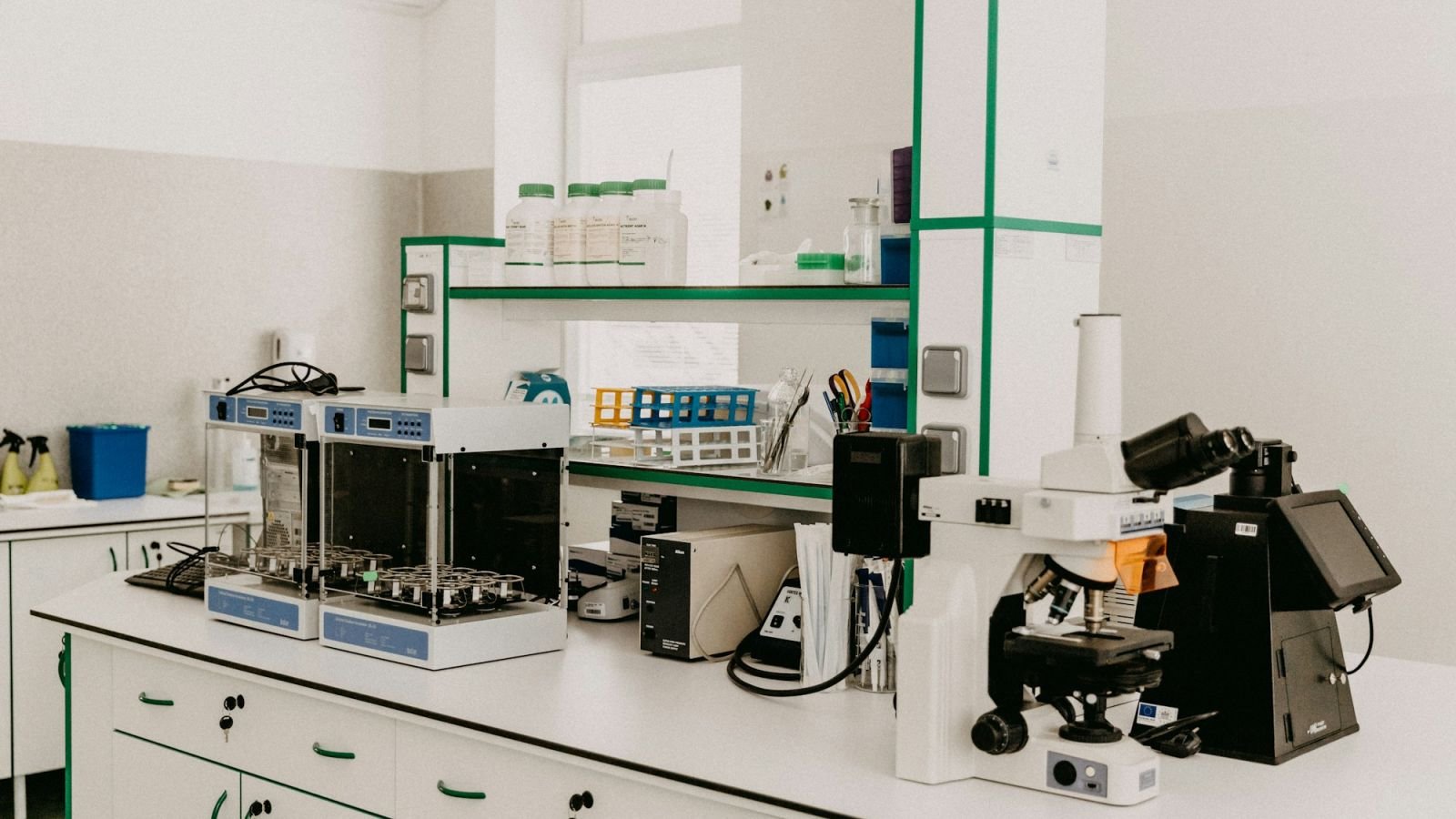
A laboratory is the one environment where the cleanliness of the room can invalidate the work done in it. A trace of the wrong residue, a fibre from the wrong cloth, or a cleaning chemical that interferes with an assay can destroy a result — and in a clinical or research lab, that can mean a wrong conclusion, a failed batch, or a safety incident.
Laboratory cleaning is therefore about contamination control: removing what should not be there, without introducing anything new.
Not scientific or regulatory advice. Laboratory safety, biosafety containment and decontamination requirements are set by the institution, by the Public Health Agency of Canada's Canadian Biosafety Standard, and by provincial regulators. Cleaning staff must work to the facility's written procedures and never beyond their training or authorisation.
Key takeaways
- The goal is contamination control, not appearance. Residue is a contaminant too.
- Know the containment level of each area, and stay within what you are trained and authorised to enter.
- Never handle samples, cultures, chemicals, sharps or waste — those are the lab's responsibility.
- Cleaning materials can themselves contaminate: use the specified low-lint, low-residue products, and never substitute.
- Clean from clean to dirty, high to low, and change materials between zones.
What makes a laboratory different
| Ordinary commercial space | Laboratory |
|---|---|
| Appearance is the measure | Absence of interfering contamination is the measure |
| Any suitable product works | Only specified products are permitted |
| Cloths are cloths | Lint, fibre and residue are contaminants |
| Cleaning around occupants is fine | Access is controlled and often restricted |
| Spills are mopped up | Spills may be hazardous and require specific response |
| Waste goes in the bin | Waste may be regulated, infectious or radioactive |
The essential discipline: you are one of the few people who touches everything in the room, so you are also one of the most likely sources of contamination. Everything you bring in — cloths, water, chemistry, your own clothing — is a potential variable.
Containment levels and authorisation
Laboratories are classified by the risk of the biological material handled, using containment levels (CL1 to CL4 in Canada, aligned with international biosafety practice). Requirements escalate sharply with level.
What this means for cleaning staff:
- You may not be authorised to enter every area. That is normal and not a reflection on your work.
- Higher containment areas usually have their own cleaning procedures, often performed by trained laboratory staff rather than external cleaners.
- Never enter a higher-level area because a door is open or nobody stopped you.
- Know the entry and exit procedures, including PPE, and follow them exactly.
- Ask, in writing, which areas are in your scope and at what containment level. This is a scope question, and it belongs in the contract.
Areas typically within a cleaning scope: offices, corridors, washrooms, break rooms, storage, and lower-containment general lab space under supervision. Areas typically outside it: containment suites, animal facilities, radiation areas, chemical storage rooms and tissue culture suites.
The cleaning scope question
In laboratories, the boundary between "cleaning" and "science" is sharper than in any other sector, and getting it wrong is a safety issue rather than a service issue.
Usually the laboratory's responsibility:
- Handling, moving or disposing of samples, cultures, reagents and chemicals
- Decontaminating spills of biological or chemical material
- Sharps containers and regulated waste streams
- Autoclaves, incubators, fume hoods, biosafety cabinets and their internal surfaces
- Equipment maintenance and calibration
- Radioactive materials and their areas
Usually the cleaning scope:
- Floors, walls, ceilings and general surfaces of designated areas
- Washrooms, corridors, offices, break rooms and stairs
- Waste bins (excluding regulated waste), emptied and cleaned
- External surfaces of some fixed equipment, where the lab confirms it is permitted
- Glass, doors and partitions
- High-level dusting within reach of safe access equipment
Neither party should assume. Confirm it in writing at contract stage, area by area, and reference the facility's procedures. Our commercial cleaning contract template covers how to structure exclusions.
Products and materials: the contamination risk
This is where external cleaners most often cause problems without realising it.
- Use only the products the facility specifies, at the specified dilution. Never substitute a "similar" product, and never bring your own chemistry in.
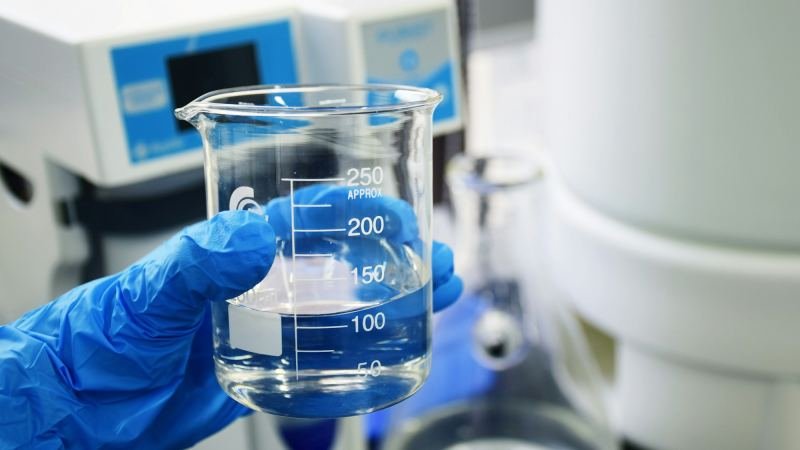
- Residue is contamination. Some cleaning agents interfere with assays, cell culture or analytical instruments. A surface that smells clean may be unusable.
- Lint and fibre are contamination. Use low-lint wipes and mops as specified. Cotton and shedding materials are usually prohibited in sensitive areas.
- Water quality can matter. Some facilities require purified water for certain surfaces.
- Never use aerosol sprays near sensitive equipment, open benches, biosafety cabinets or instruments. Aerosols travel and settle.
- Never use the same cloth, mop or bucket across different zones. Colour-code and enforce it.
- Dedicated equipment per area is common, especially between lab and non-lab space. Lab mops must not end up in washrooms, and washroom equipment must never enter a lab.
The cleaning sequence
Work clean to dirty, high to low, and change materials as you move between zones.
- Confirm access, scope and any restricted areas or equipment.
- Don PPE as the facility requires, and follow entry procedures.
- Dry clean first where the surface allows — capture dust rather than moving it.
- Work high to low: ceiling-height surfaces where safe, walls, benches and equipment exteriors where permitted, then floors.
- Clean from the cleanest area toward the dirtiest, and finish at the door.
- Change cloths and mop heads between zones. Never carry a cloth from a washroom or corridor into a lab.
- Clean floors last in each room, and use the method the facility specifies.
- Manage waste only in the streams you are permitted to handle. Never touch regulated waste.
- Record what was cleaned, and report anything unusual.
- Report observations: spills, damaged surfaces, cracked bench tops, failed seals, staining, pest evidence. Do not attempt to clean up a hazardous spill.
Spills: know your limit
Every cleaner working in a lab must know the answer to one question: what do I do if I find a spill?
- Biological spill — do not clean it. Secure the area, prevent entry, and notify laboratory staff immediately.
- Chemical spill — do not clean it unless you are trained, equipped and authorised for that specific chemical. Many require specific neutralisation and PPE.
- Unknown spill — assume the worst. Treat as hazardous, secure and report.
- Broken glass or sharps — never handle by hand, even with gloves. Report and let trained staff deal with it.
- Mercury, radioisotopes, cryogenic liquids — always specialist response.
The correct behaviour is not heroism. It is secure, report, and wait for instruction.
Safety and PPE
- PPE is set by the facility, and typically includes gloves, lab coat or gown, safety glasses and closed footwear. Higher containment adds more.
- Never eat, drink, store food or apply cosmetics anywhere in a laboratory area.
- Wash hands on leaving, every time.
- Watch for unlabelled containers. Report them; never move them.
- Do not use equipment you are not trained on — autoclaves, cabinets, centrifuges.
- Be aware of gas cylinders, cryogenics and vacuum lines and never disturb them.
- Report every injury, exposure or near miss, however minor.
- Know the emergency procedures — alarm meaning, evacuation route, eyewash and safety shower locations.
The general framework is in our health and safety guide for Canadian cleaners, and chemical handling obligations in WHMIS for cleaners.
Documentation
Laboratory cleaning often feeds a quality or accreditation system, so records matter.
- What was cleaned, where, when and by whom.
- Products used, at what dilution, where the facility requires it.
- Equipment and materials used per area, to demonstrate no cross-contamination.
- Observations and issues reported.
- Training records for the personnel performing the work, including area authorisations.
- Deviation and incident records.
Be aware that in validated environments, cleaning may need to be performed in a specific documented way that has been validated, and changing method or chemistry without approval can invalidate that validation. Never change the procedure — raise it instead.
Inspecting laboratory cleaning
Score these as critical:
- Floors, walls and general surfaces clean, with no residue or streaking
- No lint or fibre left on any surface
- Correct products used at correct dilution
- Dedicated equipment per area, colour coding respected
- No cleaning equipment travelled between lab and non-lab areas
- Waste streams respected; no regulated waste touched
- Washrooms and break areas clean and stocked
- No chemical odour or aerosol residue in lab areas
- Spills reported, not cleaned, where out of scope
- Records completed, observations reported
- Restricted areas untouched
Frequently asked questions
Can external cleaning companies clean laboratories?
Yes for designated areas — offices, corridors, washrooms, break rooms, stairs and lower-containment general lab space. Higher containment suites, animal facilities, radiation areas and equipment interiors are normally the laboratory's responsibility, performed by trained staff.
Why is residue a problem in laboratory cleaning?
Because residual cleaning chemistry can interfere with assays, cell culture and analytical instruments, and can be a contaminant in its own right. This is why only facility-specified products at specified dilutions may be used, and why "it looks clean" is not the standard.
What should a cleaner do if they find a spill in a lab?
Secure the area to prevent entry, notify laboratory staff immediately, and do not attempt to clean it unless trained, equipped and explicitly authorised for that specific material. This applies to biological, chemical and unknown spills, as well as sharps.
What equipment should be used to clean a laboratory?
Only what the facility specifies — typically low-lint wipes and mops, designated products, and dedicated equipment per area. Shedding materials, aerosols near sensitive equipment, and shared equipment between lab and non-lab areas are common contamination sources.
What are containment levels and how do they affect cleaning?
Containment levels classify laboratories by the risk of the biological material handled, from CL1 upward, with sharply escalating requirements. Cleaning staff should only enter areas they are trained and authorised for, following the facility's entry, PPE and exit procedures.
Clean without contaminating
In a laboratory, doing no harm is most of the job: the right products, the right materials, never crossing a zone, and reporting rather than improvising.
NeatScore lets you build area-specific lab checklists with contamination and scope items flagged critical, record completion per zone with photos, and keep dated records that support the facility's quality system. Try it free for 7 days, or see pricing.