Makerspace and Workshop Cleaning: A Practical Guide for Contractors
How to clean makerspaces and shared workshops safely: material-specific dust handling, zone sequencing, frequencies, and the tasks to report instead of touch.
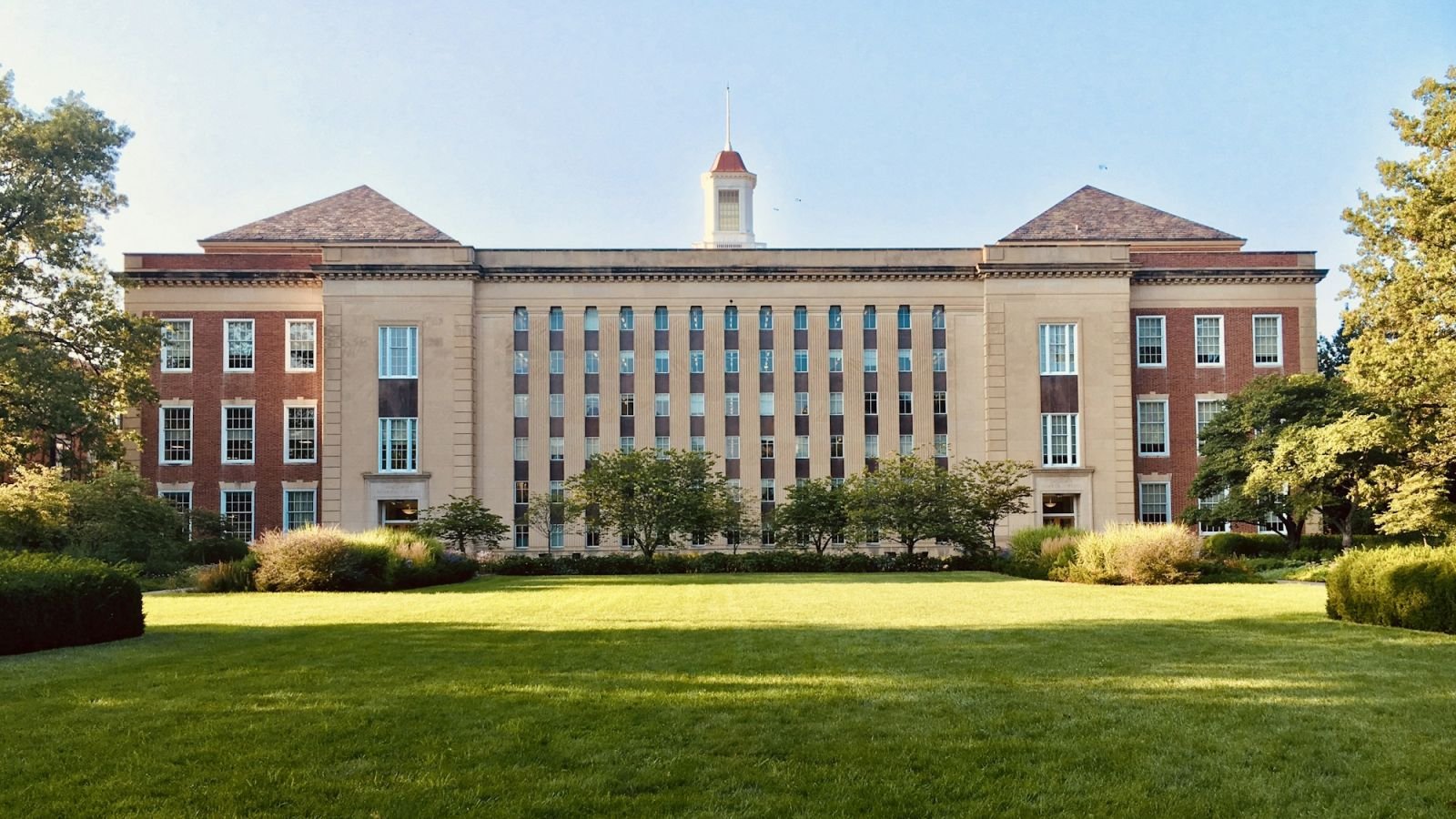
A makerspace is the only commercial building type where one room might contain a table saw, a laser cutter, a soldering bench, a resin printer and a spinning wheel. Members come and go, tools move between benches, and the dust on the floor tells you little about what is in the air. This guide sets out how to scope, sequence and inspect makerspace and workshop cleaning so the result is a safer room, not just a tidier one, covering material classes rather than brand names because the products on the shelf change monthly while the hazards do not.
Key takeaways
- Identify the material classes before you quote. Sawdust, metal fines, uncured resin and solder residue need different handling, and one method applied to all of them makes the space worse
- Vacuum with HEPA filtration first, wipe second, so dust does not turn into paste in machinery crevices
- Never use compressed air to clear a bench or machine — critical
- Sequence from clean to dirty: offices and lounges first, then benches, then floors, with wet areas last and their cloths retired
- Distinguish member mess from facility maintenance. Machines, guarding, extraction systems and electrical panels are reported, not cleaned
- Build the checklist around zones the client already names, and score the same zones every visit so trends mean something
What makes a makerspace different from an office or a warehouse
Three characteristics change the approach.
The contaminants are incompatible. Wood dust is fibrous and hygroscopic. Metal fines are dense, abrasive, and in the case of aluminium and titanium can be combustible when fine and dry. Solder residue is a metal alloy with flux. Resin dust is plastic. Textile areas produce lint.
The equipment is shared and member-operated. Nobody owns the bandsaw, so nobody feels responsible for the shavings beneath it, and machines move often enough that the floor underneath is rarely serviced unless the task is written into the schedule.
Members generate debris continuously. Offcuts, failed prints, sanding dust and used blades appear all day, so the contract must define what "clean" means at the end of a shift. Scope has to be written zone by zone with an agreed condition for each, the same structure used in warehouse and distribution centre cleaning, where floor area alone tells you almost nothing about labour.
Material classes and how each one is handled
This table is the core of any workshop method statement - use it when you build the checklist and when you train new staff.
| Material | Where it collects | How to remove it |
|---|---|---|
| Wood dust and shavings | Under benches, machine beds, floor gaps | HEPA vacuum, then damp wipe |
| Metal fines and swarf | Saws, grinders, lathes, drill presses | HEPA vacuum, dedicated wipe-down, swarf into metal containers |
| Solder and flux residue | Bench tops, fume hoods, iron holders | Damp wipe with the flux-appropriate cleaner once cooled |
| Resin and filament dust | Printer bays, post-processing benches | Vacuum with filtration, damp wipe, uncured spills controlled early |
| Textile lint and fibre | Weaving, sewing and cutting rooms | HEPA vacuum, sticky rollers, screens cleared per schedule |
| Solvents and finishing liquids | Finishing rooms, spray areas, rag bins | Wipe incidental residue only, per the facility's procedure |
Two rules sit above the table:
- Never use compressed air to clear a bench, machine bed or floor. It converts settled dust into a respirable cloud and redistributes it onto every surface in the room — critical
- Never dry sweep where metal fines are present. Even fine non-ferrous dust carries combustion and inhalation risk — critical
Filter changes, liquid waste and ventilation servicing in a finishing room, spray booth or solvent store belong to the facility and a specialist. Cleaning staff work around those systems, not inside them.
Cleaning by zone, in the right order
A makerspace must be cleaned in sequence, or the team moves contamination from clean areas into dirty ones and back again.
| Order | Zone | Typical tasks |
|---|---|---|
| 1 | Entry, reception, member lounge, offices | Glass, seating, tables, high-touch points, waste and recycling |
| 2 | Classrooms and meeting rooms | Tables, chairs, whiteboards, floors, AV bench surfaces |
| 3 | Electronics and clean benches | Anti-static-safe wiping, bench tops, under-bench floors, bin liners |
| 4 | Machine hall | Machine surrounds and beds, floor under and around machines, swarf collection |
| 5 | Extraction and air handling surrounds | Accessible ductwork exteriors, filter housing exteriors, floor beneath |
| 6 | Wet areas, finishing rooms, bin store | Sinks, traps cleared of debris, floors, waste consolidation |
Two rules matter more than the rest. Wipe down and out, from the highest surface toward the floor and from the far wall toward the door, so debris ends where the vacuum can reach it. And retire wet-area cloths before touching benches, because cross-contamination between a finishing-room sink and a soldering bench is avoidable. Where a zone contains a sealed or waxed floor, treat it as its own method; a standard janitorial routine applied to a sealed workshop slab strips the finish early, as the commercial floor care guide explains.
Tasks that belong to the facility, not the cleaning team
Workshop cleaning has a hard professional boundary, and the fastest way to lose a contract is to cross it without training or authorisation.
Scope note: Machine servicing and guarding, electrical work, compressed air systems, dust and fume extraction internals, spray booth maintenance, chemical disposal, and confined space entry are normally outside a cleaning contractor's scope. Confirm in writing what is included, and report rather than act on anything outside it.
The report-don't-act list for this vertical is short:
- Damaged guards, interlocks or emergency stops on any machine — stop work in that area and report the condition — critical
- Blocked or damaged extraction ducting — record and report; internal duct cleaning is a specialist task — critical
- Compressed air lines, regulators and electrical panels — never open, adjust or wipe inside an enclosure — critical
- Unlabelled containers and spills beyond incidental residue — isolate and report rather than attempt neutralisation
- Confined spaces such as dust collectors, tanks, pits and sumps — never enter
Dust collectors, pits and enclosed sumps are classic confined spaces, and the entry requirements are described in confined space cleaning safety. Treat every enclosed vessel in a workshop as off limits.
Frequencies that match how the space is used
A makerspace that runs evening classes has a different cleaning load from one that opens to members on a key card. Build frequency around the calendar, not around the last contract.
| Task | High-use space | Low-use space |
|---|---|---|
| Bench and machine surround wipe-down | Daily | Twice weekly |
| Floor cleaning in machine hall | Daily, with spot vacuuming mid-day | Three times weekly |
| Electronics and clean benches | Daily | Per use |
| Extraction and filter housing exteriors | Weekly | Monthly |
| High-level dusting of beams, ducts and light fittings | Quarterly | Twice yearly |
| Deep clean of wet areas, traps and bin store | Weekly | Fortnightly |
A general framework is a starting point only, as set out in the cleaning frequency chart; the real driver is how much material is generated each week. Workshop waste volumes also surprise both parties, so agree who removes swarf, offcuts, failed prints and used filters, and where those containers live.
Ventilation, filtration and chemical handling
Workshop dust does not stay in the workshop. Fine particles travel through doorways, ride shared ventilation, and settle on high surfaces nobody inspects. The team should know which shared air-handling components serve the shop: the symptom of a neglected system is a grey film that returns within days, and the remedy is professional duct cleaning rather than more frequent dusting, as set out in HVAC vent and duct cleaning. Fit-out work produces the same problem at higher intensity, so dust control is planned before work starts, as dust control during renovation sets out.
Minimum protection for a machine hall or finishing area:
- Nitrile gloves appropriate to the chemicals in use, replaced when soiled
- Eye protection when handling diluted chemicals and wherever overhead debris is possible
- Cut-resistant gloves when clearing swarf, glass, blades and broken tooling from bins
- Respiratory and hearing protection where the facility's own assessment requires it
Chemical handling follows the facility's inventory and the safety data sheet requirements summarised in WHMIS for cleaners. Flammable finishing products stay in the facility's storage per its fire plan.
- Do not mix chemicals to "strengthen" a cleaner for workshop grime. Dilution and contact time are what work — critical
- Do not decant solvents into unlabelled bottles, ever — critical
Inspecting and reporting workshop cleanliness
Workshop cleaning fails inspection in predictable places: under benches, behind machines, the underside of work tables, the floor beneath stationary equipment, extraction housing, and the boundary with the adjacent clean area. A generic office inspection finds none of them.
Three habits make inspections useful. Score by zone with weighted items, so a machine hall floor and a member lounge do not carry equal weight. Mark critical items, because a damaged guard or blocked duct is a hazard notification rather than a quality score, and flagging it keeps it visible until someone acts, the same logic as deficiency tracking. And photograph the standard, not just the failure - a photo of a correctly cleared bench ends the argument about what "clean" meant.
Pricing and scope notes that prevent disputes
Makerspace contracts go wrong over scope far more often than quality. Four clauses do most of the work:
- Name the zones and the condition required in each, using the client's own room names
- State what is excluded: machine internals, extraction internals, electrical enclosures, chemical disposal, confined spaces, spray booth servicing
- Set a written variation process for new equipment, new classes or changed operating hours
- Agree the waste streams and who removes them, with container locations
Member-operated spaces change constantly. New equipment arrives, a room is repurposed, a class schedule shifts. A short written change notice triggers a re-measure instead of an argument at renewal.
Handover, photos and the end-of-shift standard
A makerspace is never finished, so the only defensible standard is a documented end-of-shift condition. A dated photo set for the machine hall, the electronics bench and the wet area settles most disputes about whether the crew did the work. Hazards go into the record separately from quality scores: a damaged guard, a blocked duct or an unlabelled container is a notification with a date and a photo, tracked to closure rather than averaged into a score where it disappears. Keeping the checklist distinct from the scored inspection keeps both useful, as cleaning checklist vs inspection explains.
NeatScore lets you build area-specific checklists with critical items flagged, record completion with photos, and keep a dated report your client can trust. Try it free for 7 days, or see pricing.
Where this fits in the quality system
This sits under our inspection checklist fundamentals, which sets out the standard these checks are measured against.
Frequently asked questions
How often should a makerspace be cleaned?
Base it on material generation, not floor area. Most active spaces need daily bench, machine surround and floor cleaning in the machine hall, daily attention to member and classroom areas, weekly wet-area and bin-store deep cleaning, and quarterly high-level dusting.
Can cleaning staff use compressed air to clear workshop benches?
No. Compressed air turns settled dust into a respirable cloud and redistributes it across the room, including onto clean benches and into shared ventilation. Vacuum with appropriate filtration, then damp wipe. If a machine genuinely needs blow-down, that belongs to the facility's maintenance procedure.
Is metal dust in a workshop a fire risk?
Fine metal dust from some metals can be combustible when dry and dispersed. Practical controls are to vacuum rather than sweep, avoid compressed air, keep swarf in dedicated metal containers, never mix it with general combustible waste, and keep ignition sources clear.
What workshop tasks should a cleaning contractor refuse?
Machine servicing and guarding, electrical work, compressed air systems, dust and fume extraction internals, spray booth maintenance, chemical disposal, and any confined space such as a dust collector, pit or sump. Document these as excluded, and report defects rather than attempting a workaround.
Does a makerspace need a different cleaning checklist from an office?
Yes. The contaminants differ, the sequencing matters more, and much of the work is area-specific: benches, machine surrounds, extraction housing and finishing rooms. A generic office checklist misses the places workshop cleaning actually fails.