Warehouse and Distribution Centre Cleaning: A Zone Guide for Large Facilities
How to plan warehouse and distribution centre cleaning by zone, covering sweepers, racking, docks, washrooms, battery areas and safe scope limits.
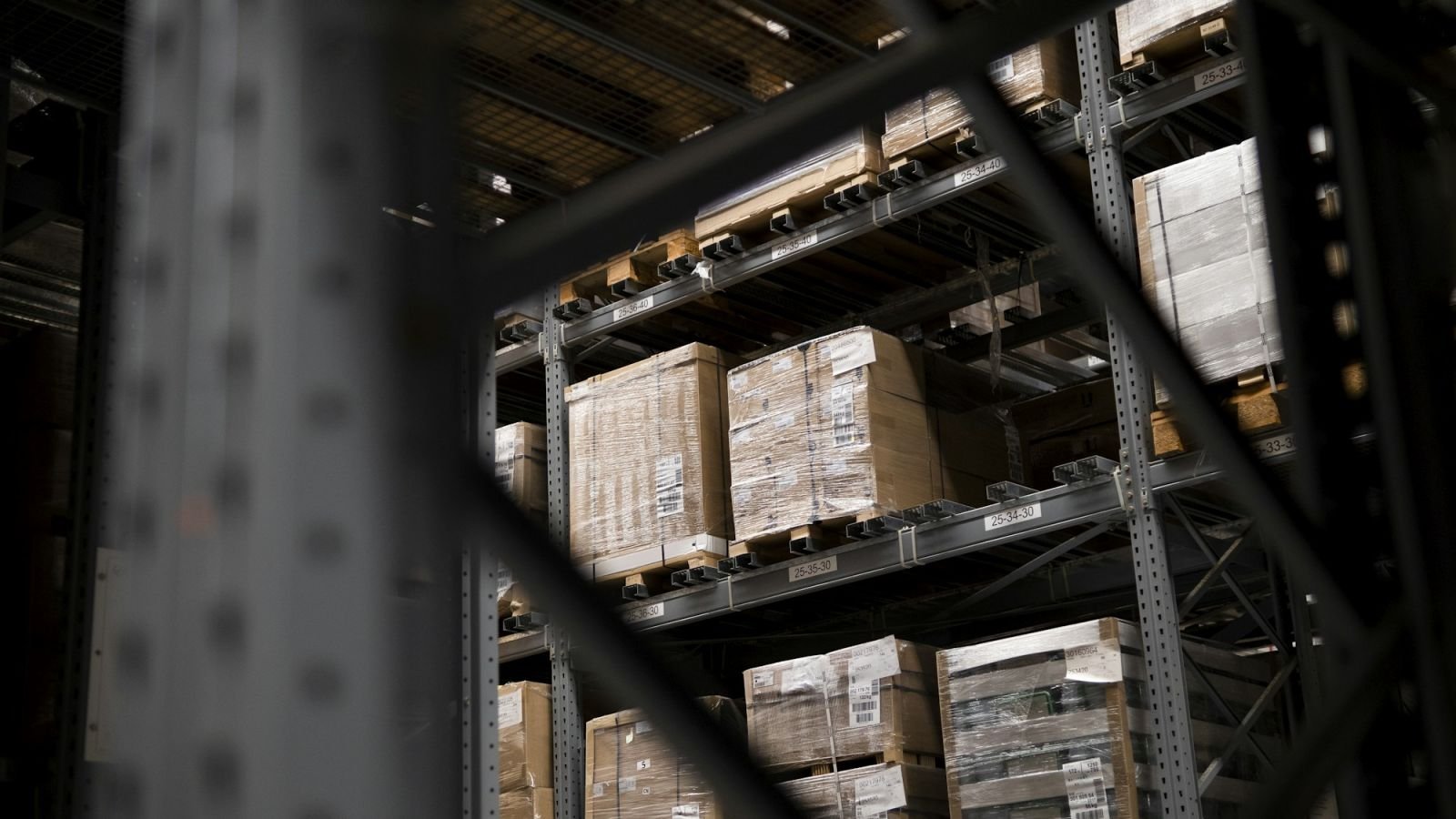
A distribution centre is mostly floor. That single fact drives everything about cleaning it: the square footage is enormous, the soil is dust and packaging debris rather than food or body fluids, and most of the work is done at night around forklifts, racking and loading docks.
Warehouse and distribution centre cleaning is therefore an industrial housekeeping discipline — equipment-led, safety-critical and heavily scheduled — rather than the room-by-room cleaning that most commercial contracts assume.
Key takeaways
- Plan by zone and machine, not by room: floors, racking, docks, washrooms and offices have almost nothing in common.
- Most warehouse soil is dust, cardboard fibre and packaging debris, which means dust control before wet cleaning.
- Blocked exits, obstructed sprinklers and piled combustibles are fire and life-safety issues, not housekeeping preferences.
- Powered equipment, racking repair, battery rooms and confined spaces are outside a cleaning contractor's scope.
- Washrooms and break rooms carry the hygiene risk and are usually the first thing an auditor inspects.
- Dust created by sweeping can be a respiratory hazard, so method and PPE matter as much as effort.
What makes a warehouse different
| Factor | Implication for cleaning |
|---|---|
| Very large floor areas | Ride-on or walk-behind equipment is essential; hand methods do not scale |
| Open racking and pallets | Dust settles on beams, boxes and stock, not just the floor |
| Powered equipment traffic | Work must be coordinated with traffic management and exclusion zones |
| Night and shift operations | Cleaning fits around shifts, often with limited access windows |
| Combustible packaging | Accumulated cardboard and plastic is a fire load, not just untidiness |
| Battery charging and plant | Charging stations, chargers and battery rooms are not cleaning tasks |
| Dust generation | Sweeping dry can suspend fine dust; control it at source |
| Low public visibility | Standards slip because nobody complains until an audit or an incident |
The last row is why warehouses are often the most under-specified cleaning contracts in a portfolio, and why the audit — not the complaint — is usually what triggers a reset. See the warehouse cleaning checklist for the item-level version of this article.
Planning by zone
| Zone | Typical frequency | Method |
|---|---|---|
| Warehouse floor | Daily with ride-on scrubber or sweeper | Sweep or scrub by surface and dust load |
| Racking and beams | Periodic, in coordination with the operator | High-reach dusting of beams and uprights |
| Picking aisles and pick faces | Weekly to periodic | Dust control without disturbing stock |
| Loading docks and levellers | Daily, with pit cleaning on schedule | Sweep, hose where permitted, clear debris |
| Staging and packing areas | Daily | Sweep, empty waste, clear packaging |
| Washrooms and change rooms | Daily, multiple services on long shifts | Full disinfection and restocking |
| Break rooms and canteens | Daily | Food-safe surfaces, waste, floors |
| Offices and control rooms | Daily to weekly | General commercial standard |
| Exterior yard, apron and entrances | Weekly to periodic | Litter, debris, oil and slip control |
Frequency has to be agreed with the site's operations team, because access to aisles is controlled by picking schedules, racking heights and forklift traffic. A clean that blocks a pick face is a production problem.
Warehouse floors: the main event
Floor area is where the labour budget goes, and where the right machine changes the arithmetic.
- Sweep or scrub with the appropriate equipment for the surface and dust load
- Use sweeping compound or dust suppression where dry sweeping would suspend dust
- Clean along racking leg lines, which hand methods miss and machines cannot always reach
- Clean under pallets, stillages and conveyor runs on a scheduled cycle
- Address oil, hydraulic fluid and chemical spills with the correct absorbent and degreaser
- Keep floor tape, line markings and pedestrian walkways visible and clean
- Report damaged floor slabs, spalled concrete, protruding fixings and failed joints
- Sign wet floors and cordon wet zones during and after cleaning — critical
Concrete, sealed concrete, epoxy, VNA aisle floors and resilient floors all behave differently with water, pads and chemistry. Method selection is covered in hard floor cleaning methods, and the wider floor-care programme in the commercial floor care guide.
In very narrow aisle and automated areas, cleaning may only be possible during planned downtime. Agree those windows in the contract, because they will not appear at short notice.
Racking, high level and dust control
Dust on racking is the most common audit finding in a distribution centre, and the most common cause of a cleaning dispute that was never priced.
- Dust racking beams, uprights, decking and shelving to an agreed height, on a scheduled cycle
- Coordinate every racking clean with the operator, because stock movement is required
- Never climb racking, and never use a forklift or order picker as a work platform — critical
- Use the correct access equipment for the height, with trained operators only — critical
- Never remove, reposition or load racking components; report damage instead
- Report damaged beams, bent uprights, missing safety clips, corroded feet and impact damage
- Clean high-level lighting, sprinkler heads and ventilation grilles only with the operator's approval
- Do not obstruct sprinkler heads, smoke detectors or fire equipment at any height — critical
That last point is not housekeeping. Obstruction of fire protection equipment is a life-safety issue and is treated seriously by insurers and by fire authorities.
Scope note: high-reach work at height, racking repair, battery room work, confined spaces, machine maintenance and pest treatment are normally outside a cleaning contractor's scope. Confirm in writing what is included, and report rather than act on anything outside it.
Loading docks, yards and waste areas
The dock is the dirtiest transfer point in the building and the easiest place to create a slip hazard.
- Sweep dock floors and clear debris from leveller pits and hinge points on schedule
- Clean dock bumpers, seals, doors and control panels at hand-contact points
- Keep dock edges, steps and walkways clear of packaging, strapping and pallet fragments — critical
- Clean and check yard drains and grates, and report blockages
- Collect and separate waste, cardboard and plastic to the site's recycling arrangements
- Keep bin areas and compactors clear, closed and free of spillage
- Remove strapping, banding and shrink wrap from walkways as soon as it appears
- Report oil, fuel or unknown liquid spills in the yard rather than washing them away — critical
Slip, trip and fall risk in industrial spaces usually comes from packaging, banding, spills and wet floors rather than from the cleaning itself. The controls are set out in slips, trips and falls prevention.
Washrooms, change rooms and break areas
These are the smallest zones by area and the largest by risk.
- Clean and disinfect toilets, seats, urinals, flush plates and surrounding walls — critical
- Clean and disinfect basins, taps, dispensers and hand dryers — critical
- Clean showers, benches and locker-room floors, including grout and drains
- Restock soap, paper, sanitiser and sanitary supplies each service — critical
- Clean change room benches, lockers externally and coat hooks
- Clean break room tables, counters, microwaves, kettles and fridges inside and out
- Empty and clean waste and recycling, including food waste, before it generates odour — critical
- Mop with the correct dilution, and leave floors dry and unsigned only when actually dry — critical
- Report pest evidence, water leaks, damaged fixtures and failed ventilation
Where food is prepared or handled in a canteen, food safety principles apply to surfaces, waste and cleaning records, exactly as they would in a food premises.
Equipment, chemicals and safe practice
- Match the machine to the area: ride-on scrubbers for main aisles, walk-behind for tight zones, manual methods for edges
- Inspect charger leads, batteries, squeegees and brushes before each shift and report faults
- Never service, repair or refuel powered equipment; that is a trained technician's task — critical
- Never clean in a battery charging area without the operator's instruction and the specified controls — critical
- Keep chemicals labelled, secured and decanted into correctly labelled containers
- Never mix products; never combine chlorine bleach with an ammonia-based cleaner — critical
- Provide and use the PPE the site specifies, including high-visibility clothing in traffic areas
- Follow the site's traffic management plan, exclusion zones and lockout arrangements at all times
Equipment upkeep is a contract cost issue as much as a safety one, and the maintenance discipline is described in cleaning equipment maintenance.
Inspecting a distribution centre
An inspection of a warehouse has to be quick enough to be done often, and specific enough to be useful. Score by zone, and photograph anything that will be disputed.
- Floors swept or scrubbed to the agreed standard, including along racking bases
- No oil, chemical or unknown spills left unaddressed
- Aisles, walkways and exits clear of packaging, banding and debris
- Racking dusted to the contracted height, with no damage left unreported
- Sprinkler heads, detectors and fire equipment visibly unobstructed
- Dock areas, levellers and steps clear and clean
- Washrooms and change rooms clean, disinfected, stocked and dry
- Break areas clean, with waste removed and appliances cleaned
- Waste and recycling separated and bin areas clean
- Chemicals stored correctly with labels intact
- No equipment left unattended in a traffic route
- Records completed, with defects and out-of-scope items logged
The measurement approach behind those scores is covered in how to measure cleaning quality.
Where this fits in the quality system
This sits under our the master inspection checklist, which sets out the standard these checks are measured against.
Frequently asked questions
How often should a warehouse floor be cleaned?
Main aisles and high-traffic routes are normally swept or scrubbed daily, with less-used zones and under-racking areas on a weekly or monthly cycle depending on dust load and traffic. The frequency should be written into the specification by zone, because a single figure for the whole floor will either overservice some areas or fail others.
Can a cleaning contractor clean warehouse racking?
Only with the right access equipment, trained operators and the operator's authorisation, and only where stock can be moved safely. Racking repair, component replacement and load checking are not cleaning tasks and should be reported to the site. Nobody should climb racking or be lifted on a forklift to clean it.
Who cleans up oil and chemical spills in a warehouse?
Minor spills are often handled by trained staff with the right absorbent and disposal arrangements, but the site's spill response plan governs. Cleaning contractors should never handle an unknown substance, and should report and isolate rather than improvise a clean-up.
How do you control dust when cleaning a large warehouse?
Control it at the point of generation rather than letting it settle and re-suspend. Use sweeping equipment with dust suppression, and prefer scrubbers and vacuums with filtration for fine dust. Avoid dry sweeping where dust is heavy. Use the respiratory protection the site specifies.
Are loading docks part of a warehouse cleaning contract?
They usually are, covering floors, leveller pits, bumpers, doors, drains and the immediate yard apron. Exterior hardstand, yard sweeping, catch basin cleaning and snow removal should all be explicitly listed or explicitly excluded, because they are frequently assumed rather than priced.
Big floor, simple discipline
Warehouse cleaning rewards a small number of things done consistently: the right machine for the floor, a realistic zone-by-zone frequency, disciplined traffic and safety practice, and an inspection that produces evidence rather than impressions.
NeatScore lets you build zone-specific checklists with critical items flagged, record completion with photos, and keep a dated report your client can trust. Inspections run offline in steel buildings with no signal and sync when the device reconnects. Try it free for 7 days, or see pricing.