Fast Casual Restaurant Cleaning: High Covers, Short Turnarounds
How to clean fast casual and quick service restaurants, covering front of house turnarounds, open kitchens, self-serve stations and the food safety requirements of high-volume service.
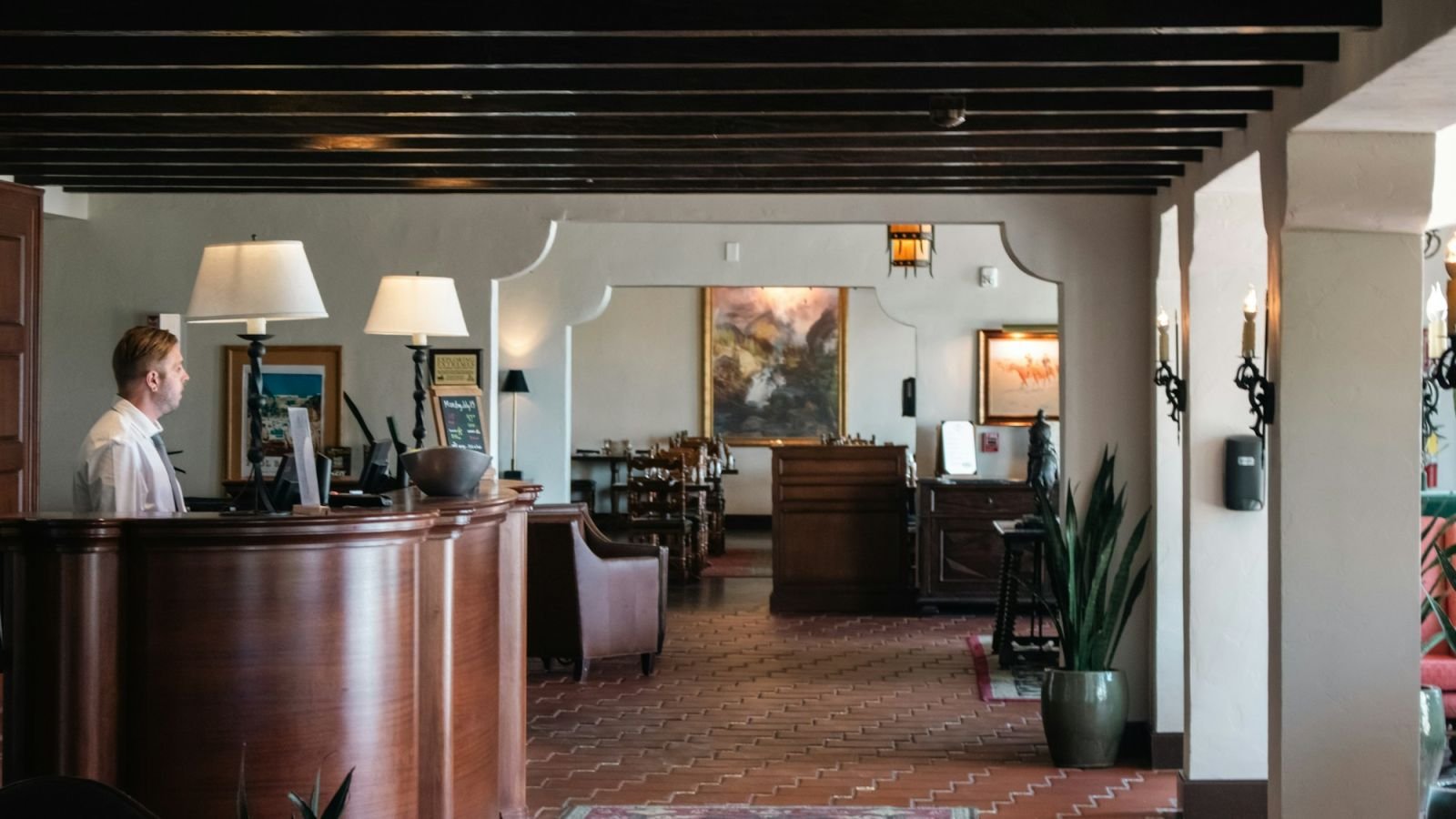
Fast casual is the hardest restaurant format to keep clean, for one reason: the customer watches you do it. There is no back-of-house wall between the kitchen and the dining room, tables turn every twenty minutes, and the volume is continuous.
Fast casual restaurant cleaning is therefore about visible, continuous standards — not a deep clean at the end of the day.
Key takeaways
- The kitchen is on display. Cleaning is part of the brand
- Table turnaround is the highest-frequency task in the building
- Food-contact surfaces keep full food-safety requirements regardless of speed
- Self-serve drink, condiment and utensil stations are the highest-touch areas
- Waste and tray stations are the biggest visible failure point
Front of house turnaround
The defining rhythm of the format.
- Wipe and sanitise tables after every use — critical
- Wipe chairs, benches and booth seating, including crevices — critical
- Sweep or vacuum floors continuously, especially under tables — critical
- Spot clean spills immediately — drink spills become slip hazards within seconds — critical
- Clean and sanitise high chairs and booster seats after every use — critical
- Clear trays and waste from tables promptly
- Wipe condiment bottles, dispensers and caddies — critical (handled by everyone)
- Clean menus, table tents and signage — critical
- Clean glass, doors and internal partitions — critical
- Keep entrance matting clean, flat and dry — critical. See front of house cleaning
Self-serve stations
The highest-touch surfaces in a fast casual restaurant, and a food-safety point.
- Clean and sanitise drink dispensers, ice chutes and levers — critical
- Clean and sanitise condiment pumps, dispensers and holders — critical
- Clean and sanitise cutlery, straw and napkin dispensers — critical
- Clean and sanitise tray return and drop-off areas — critical
- Clean under and around dispensers where spills collect — critical
- Empty and clean waste and recycling at tray stations frequently — critical
- Wipe down beverage counters and drains
- Restock consumables continuously
- Report syrup, water or CO₂ line faults rather than adjusting them
Open kitchen and service line
Visible to customers, and still a food premises.
- Clean and sanitise food-contact surfaces per the establishment's schedule — critical
- Clean and degrease the cooking line, grills, fryers and hood surrounds — critical
- Clean and sanitise prep areas, cutting boards and utensils — critical
- Clean and sanitise sinks; clear and flush drains — critical
- Sweep and mop kitchen floors, degreasing — critical
- Clean and clear floor drains — critical
- Clean and disinfect fridge and freezer handles and gaskets — critical
- Clean and degrease the pass, expo and service counters — critical
- Empty and clean bins; keep lids closed — critical
- Never clean during a health inspection or obstruct a food handler's station without coordinating
- Report pest evidence immediately — critical
Method detail is in food safety cleaning and the venue list in the restaurant cleaning checklist.
Washrooms
High frequency, small footprint, heavily used.
- Service frequently throughout trading — critical
- Clean and disinfect all fixtures — critical
- Clean and dry floors — critical
- Restock soap, towel and toilet paper — critical
- Clean mirrors, partitions and doors
- Empty and reline bins and sanitary units — critical
- Address odour at source
- Check accessible and baby change facilities — critical
- Report damage and blockages
Dining area detail
- Clean and disinfect booth and banquette seating, including crevices
- Clean under and behind seating — critical
- Clean and sanitise table bases, legs and edges — critical
- Clean chairs and stools, including feet and rungs
- Clean windows, ledges and blinds
- Dust high-level surfaces: light fittings, vents, signage
- Clean and clear the condiment and utensil station continuously
- Clean and polish the entrance area
Waste, bins and tray stations
The most visible failure point in the format.
- Empty bins before they are full, continuously during peak — critical
- Clean and disinfect bin exteriors and lids — critical (odour, pests, appearance)
- Clean tray return areas and wipe under them
- Clean and clear waste and recycling stations
- Clean and clear the waste storage area and keep it lidded — critical
- Report overflowing waste to management rather than allowing accumulation
- Report pest evidence immediately
Overnight and periodic deep clean
When the disassembly and deeper work happens.
- Deep clean and degrease the cooking line, hood filters and surrounds — critical
- Deep clean floor drains and treat for odour — critical
- Machine scrub the full dining and kitchen floors — critical
- Deep clean fridges, freezers and dry storage on a schedule — critical
- Clean behind and under movable equipment — critical
- Deep clean washrooms, including grout — critical
- Clean high-level surfaces, vents and light fittings
- Clean and degrease bins and waste areas inside and out
- Clean windows and glass fully
- Clean and reset the self-serve stations
Safety
- Slips from drink spills and wet floors are the most frequent injury. Continuous spot cleaning, matting and signage — critical. See slips, trips and falls prevention
- Hot surfaces and oil on the cooking line — never clean a fryer or grill unless the operator has confirmed it is safe and the procedure is specified — critical
- Chemical use around customers — avoid strong products in the dining area, ventilate, and use signage
- Sharps, glass and broken crockery — never handle by hand — critical
- Wet floors in the kitchen during service are a genuine hazard for staff
- Working around moving staff and customers at speed requires awareness, not speed
Inspecting a fast casual restaurant
Score these as critical:
- Tables, chairs and high chairs clean and sanitised
- Floors clean, dry and free of food and spills
- Self-serve drink, condiment and utensil stations clean and sanitised
- Tray and waste stations not overflowing; bins clean
- Food-contact surfaces clean and sanitised
- Cooking line degreased
- Fridge and freezer handles clean
- Drains clear and odour-free
- Washrooms clean, stocked, dry and odour-free
- Condiment caddies clean
- No pest evidence
- Records completed
For the method, see what a cleaning inspection is.
Frequently asked questions
How often should fast casual restaurant tables be cleaned?
After every single use, and continuously during peak periods. Table turnaround is the highest-frequency task in the format, and customers judge the restaurant on the table they sit at.
What are the highest-touch surfaces in a fast casual restaurant?
Self-serve drink dispensers, condiment pumps, cutlery and napkin dispensers, tray return areas and condiment caddies. All are handled by nearly every customer and need sanitising continuously.
Do open kitchens change the cleaning requirements?
They raise the visibility standard without lowering the food-safety one. Food-contact surfaces, drains and equipment keep full requirements, but they are on display, so the cleaning has to be maintained in front of customers.
How do you manage waste in a high-volume restaurant?
By emptying bins before they are full, continuously during peak, cleaning bin exteriors and lids, and keeping tray return and waste stations clean. Overflowing waste is the most visible failure in the format.
When should the deep clean happen in a fast casual restaurant?
Overnight or after close, since it involves disassembly, deep degreasing and equipment being pulled out. The dining room and self-serve stations are handled continuously during trading instead.
On display, all day
A fast casual restaurant is cleaned in front of its customers, on a continuous cycle, with no margin for a bad half hour. Visibility and food safety both have to hold at once.
NeatScore lets you build front-of-house and kitchen checklists with food-safety and hygiene items flagged critical, record completion with photos across shifts, and keep a dated record for the operator. Try it free for 7 days, or see pricing.