Swimming Pool and Aquatic Centre Cleaning: Wet Areas Done Properly
How to clean pools, aquatic centres and change facilities, covering chemistry safety, wet areas, change rooms, deck care and the safety rules that govern pool environments.
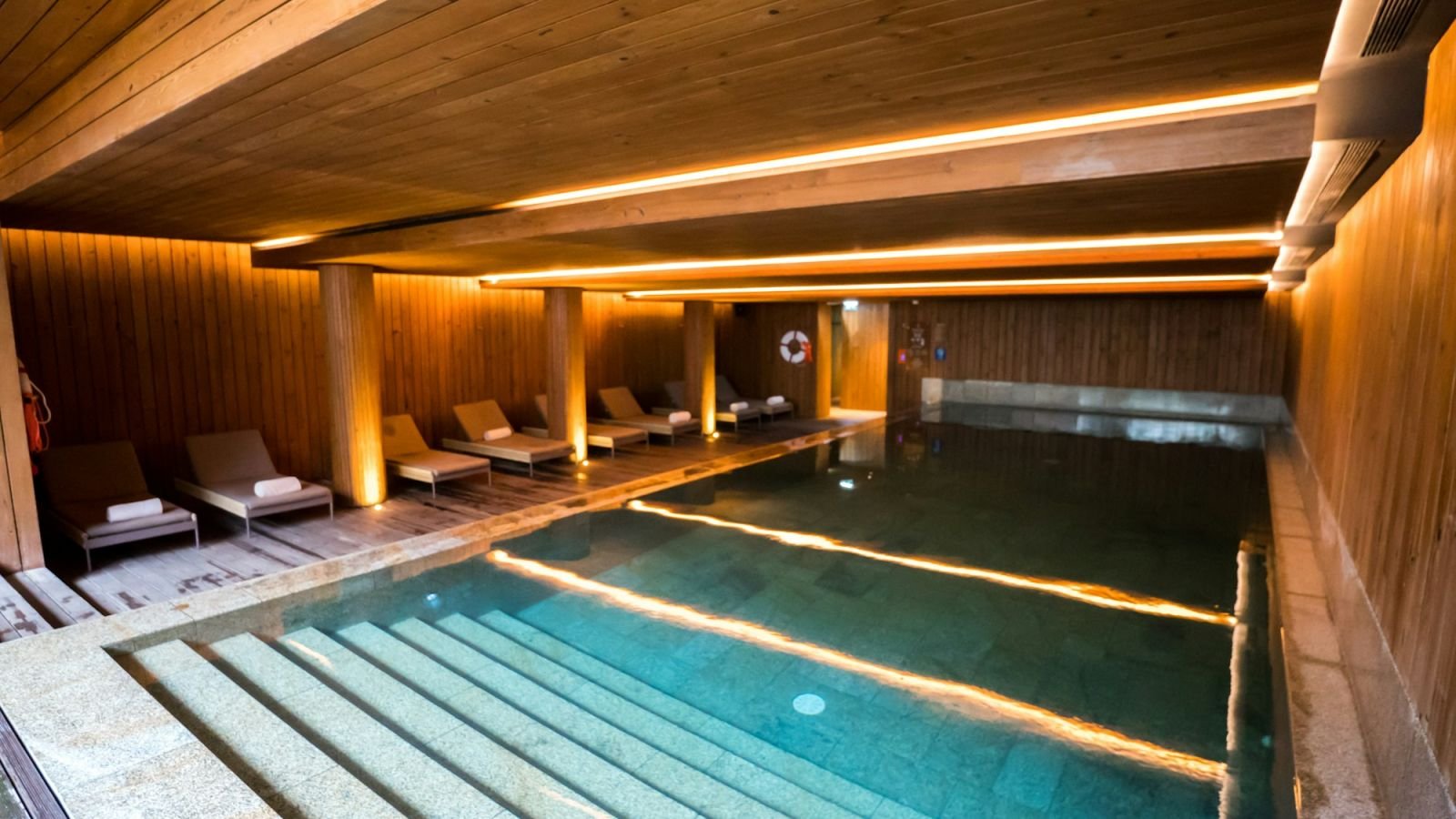
An aquatic centre is the wettest, most chemically active cleaning environment in commercial facilities. Every surface is wet, the air is humid and chlorinated, and the change rooms carry a hygiene load comparable to a hospital's.
Swimming pool cleaning is a discipline of wet-area control and strict chemistry boundaries.
Chemistry is not a cleaning task. Pool water testing, dosing and chemical balancing are operator responsibilities and usually regulated by provincial public health requirements. Cleaning staff clean surfaces; they do not treat water or handle pool chemicals unless specifically trained, authorised and contracted.
Key takeaways
- Never handle pool chemicals or adjust dosing unless trained and authorised — critical
- Slip risk is permanent in an aquatic centre, not occasional
- Change rooms drive complaints and hygiene risk more than the pool itself
- Chlorinated, humid air affects products, equipment and metal finishes
- Deck and wet-area cleaning is continuous during operating hours
Change rooms and showers
The highest-risk area, and the one users judge hardest.
- Clean and disinfect shower floors, walls and fittings — critical
- Treat for fungal growth on wet surfaces and in grout — critical
- Clean and disinfect toilets, seats and bases — critical
- Clean and dry sinks, taps and counters — critical
- Mop and dry floors continuously — critical (slip risk)
- Remove standing water and squeegee decks
- Empty and clean bins, including sanitary units — critical
- Clean lockers, benches and hooks — critical
- Clean mirrors, partitions and doors
- Restock soap, towel and toilet paper — critical
- Address odour at source; humidity traps odour
- Report damage, leaks and loose fittings — critical
Pool surrounds and decks
- Sweep and squeegee decks continuously during operating hours — critical
- Clean and disinfect poolside seating, loungers and handrails — critical
- Clean entry steps, ladders and grab rails — critical (both hygiene and safety)
- Clean and disinfect pool edge and coping where accessible
- Remove litter and lost property immediately
- Empty and clean bins
- Clean signage and depth markings — critical (safety, must remain legible)
- Never enter the water or reach into a pool for cleaning — critical
- Report any water quality concern to the operator rather than addressing it yourself
Showers, changing cubicles and family areas
- Clean and disinfect cubicles, curtains and doors — critical
- Clean and disinfect benches and change tables — critical
- Clean and sanitise family and accessible changing facilities — critical
- Restock consumables
- Remove hair from drains and screens — critical (blockages and odour)
- Clean and treat floor drains — critical
- Report mould, damaged seals and water damage
Amenity and spectator areas
- Clean and disinfect seating and benches — critical
- Vacuum and mop dry-side floors
- Clean tables, ledges and counters
- Clean glass and internal glazing — critical (chlorinated air leaves residue)
- Clean vending and water station areas — critical
- Clean reception, counters and turnstiles — critical
- Empty and clean bins
- Clean signage, notice boards and timetables
Chemical and product handling
Aquatic centres have specific constraints.
- Only use products the facility approves for pool environments — critical
- Never bring unapproved or incompatible chemicals onto the site, and never mix anything — critical
- Never handle, move or open pool chemicals unless specifically trained, authorised and contracted — critical
- Never assume a container holds what the label says in a pool plant room
- Know WHMIS labelling and safety data sheets for your own products — see WHMIS for cleaners
- Ventilate when using any product in enclosed wet areas
- Report chemical odours, leaks or spills immediately and leave the area — critical
Slip safety
Slip risk in an aquatic centre is permanent rather than occasional.
- Squeegee and dry continuously, not once per shift — critical
- Use slip-resistant footwear appropriate to wet tiled surfaces — critical
- Sign wet areas during cleaning — critical. See slips, trips and falls prevention
- Keep drainage channels clear so water does not pool — critical
- Report damaged or missing non-slip surfacing — critical
- Never leave hoses, cords or equipment across a wet walkway — critical
- Report persistently wet areas that suggest a leak or drainage fault
Equipment care in a chlorinated environment
- Rinse and dry metal equipment after use — chlorinated air corrodes fittings, castors and springs
- Store equipment in a dry space away from the pool hall where possible
- Expect mop heads and cloths to degrade faster; replace on condition
- Check castors and metal components regularly for corrosion
- Keep vacuums and electrical equipment away from wet zones — critical
- Never use electrical equipment in a wet area without appropriate protection
Inspecting an aquatic centre
Score these as critical:
- Change room floors clean, disinfected and dry
- Showers and fittings clean and free of fungal growth
- Washrooms clean, stocked and odour-free
- Decks swept, squeegeed and free of standing water
- Handrails, ladders and grab rails clean and disinfected
- Lockers, benches and cubicles clean
- Depth markings and safety signage clean and legible
- Drains and channels clear
- Bins emptied and clean
- No pool chemicals handled by cleaning staff
- No trailing cables or hoses in wet areas
- Records completed and observations reported
For the method, see what a cleaning inspection is; for wet-area floor care, hard floor cleaning methods.
Frequently asked questions
Should cleaning staff handle pool chemicals?
No, unless they are specifically trained, authorised and contracted to do so. Pool water chemistry is an operator responsibility and is usually regulated by provincial public health requirements. Cleaning staff should report chemical concerns rather than addressing them.
How often should pool change rooms be cleaned?
Continuously during operating hours in most facilities, not once per shift. Change rooms carry the highest hygiene load and generate the majority of complaints in aquatic centres.
What is the biggest safety risk when cleaning a pool facility?
Slips on permanently wet floors. Control requires continuous squeegeeing and drying rather than periodic mopping, appropriate slip-resistant footwear, clear drainage, and prompt signage.
How do you deal with odour in an aquatic centre?
Odour is usually driven by humidity, drains, grout and poorly ventilated wet areas rather than the pool itself. Clean and treat drains, treat grout for fungal growth, remove standing water, and report ventilation concerns.
Why does equipment corrode faster in a pool facility?
Chlorinated, humid air accelerates corrosion of metal components, springs and castors. Rinsing and drying equipment after use and storing it away from the pool hall substantially extends its life.
Wet, chemical and unforgiving
An aquatic centre punishes shortcuts: standing water, untreated grout and neglected drains all become problems fast. Continuous control is the only method that works.
NeatScore lets you build pool and change room checklists with slip, hygiene and chemistry-boundary items flagged critical, record completion with photos, and keep a dated record for the operator. Try it free for 7 days, or see pricing.