Transit Station Cleaning: High-Volume Public Facilities
How to clean transit stations and terminals safely, covering platform and concourse regimes, washroom surge, escalators, winter conditions and the security and safety constraints.
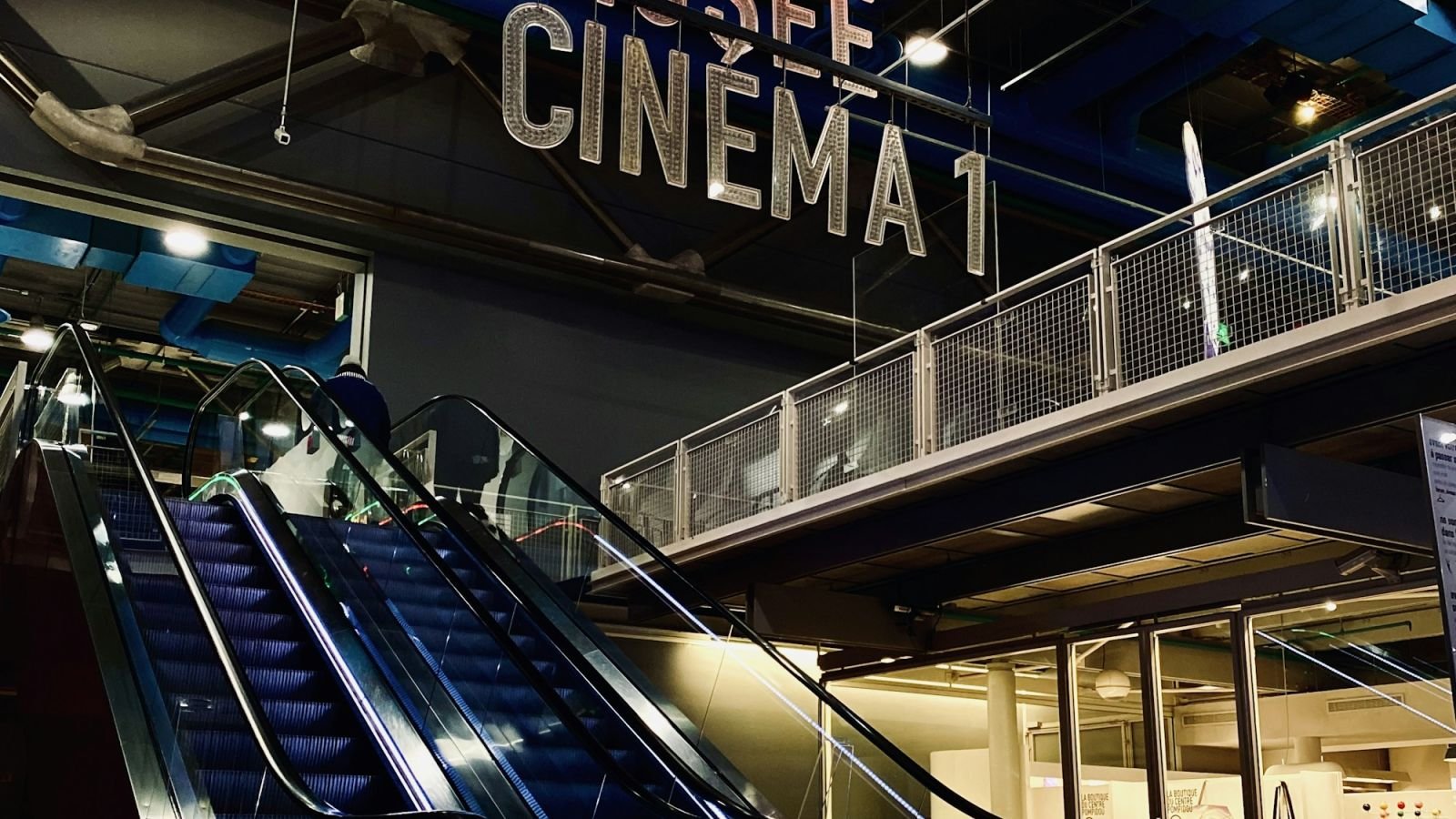
A transit station is the hardest public cleaning environment there is. It never closes. Thousands of people pass through hourly, most of them hurried, many eating and drinking, and a proportion who are homeless, unwell or in crisis. Everything is a hard, high-touch surface.
Transit station cleaning is therefore organised around continuous service and surge management rather than scheduled deep cleans.
Safety and security first. Transit properties have their own safety rules, restricted areas, track access procedures and security protocols. Work to them, never beyond them, and never enter track or restricted areas without explicit authorisation.
Key takeaways
- Transit cleaning is continuous, not daily. Surge periods determine the rota.
- Everything is high-touch: handrails, seats, ticket machines, escalator belts, grab poles.
- Washrooms and platforms generate the overwhelming majority of complaints.
- Winter changes the entire job: salt, slush, and slip risk at every entrance.
- Safety and security constraints — track, third rail, restricted areas — are absolute.
The three cleaning regimes
| Regime | When | Focus |
|---|---|---|
| Continuous / peak | During service hours | Litter, spills, washrooms, touchpoints, overflow |
| Off-peak | Between peaks, or overnight if closed | Machine cleaning floors, deeper washrooms, glass |
| Periodic / project | Scheduled | Deep cleans, floor restoration, high-level, graffiti |
Efficiency comes from doing the right regime at the right time, not from cleaning everything constantly.
Platforms and track areas
- Sweep or machine clean platform surfaces continuously — critical (debris and slip risk)
- Empty and clean bins frequently, before overflow — critical
- Wipe seating, benches and armrests — critical
- Wipe and disinfect handrails, grab poles and stanchions — critical
- Clean tactile edge strips and platform edge markings — critical (safety)
- Clean signage and information displays
- Remove litter from between and beneath seating
- Clean glass and platform screens
- Remove chewing gum on a scheduled cycle
- Never go below platform level or onto track without explicit authorisation, training and a permit — critical
- Never cross the yellow line while working near the edge
- Report litter accumulation, damage or hazards you cannot safely address
Concourse and circulation
- Sweep or machine scrub concourse floors continuously — critical (grit, spill and slip risk)
- Spot clean spills immediately and sign wet areas — critical. See slips, trips and falls prevention
- Clean entrances, thresholds and matting continuously in wet weather — critical
- Wipe handrails, balustrades and support columns at hand height — critical
- Clean glass balustrades and screens
- Empty and clean bins and recycling points — critical
- Clean ticket machines, validators and gates — critical (highest-touch equipment on the property)
- Clean information boards, maps and kiosk surfaces — critical
- Remove litter, flyers and free newspapers
- Clean under and around fixed seating and fixtures
Escalators, stairs and lifts
- Clean escalator steps, side panels and skirting — critical
- Clean escalator handrails — a key hygiene and complaint point — critical
- Clean comb plates and landing areas — critical (debris causes faults)
- Clean stairs: treads, nosings, landings, handrails — critical
- Keep stairwells clear and dry — critical (egress route)
- Clean lift interiors, buttons and door tracks — critical
- Report escalator or lift faults immediately rather than cleaning around them
Washrooms
The single largest source of complaints on any transit property.
- Service frequently, not once per shift — critical
- Clean and disinfect fixtures, seats and bases — critical
- Clean and dry sinks, taps and counters — critical
- Restock soap, towel and toilet paper — critical
- Empty and reline bins and sanitary units — critical
- Mop and dry floors — critical (slip risk, and transit washrooms are heavily used)
- Clean mirrors, partitions and doors
- Address odour at source, not with fragrance
- Check accessible facilities and baby change — critical
- Report damage, blockages and vandalism — critical
- Report any drug paraphernalia — never handle it — critical
Entrances and exteriors
- Clean entrance glass, doors and frames — critical
- Sweep and wash entrance areas continuously
- Keep matting adequate, flat and clean — critical
- Clear litter from forecourts, shelters and bus bays
- Clean signage, bollards, handrails and shelters
- Remove graffiti promptly — critical. Transit graffiti attracts more graffiti
- Winter: remove salt and slush continuously and prevent ice — critical
- Report damaged paving, handrails and lighting
Safety, security and conduct
Transit properties carry hazards and rules that do not exist elsewhere.
- Never enter track areas, tunnels, third-rail zones or plant rooms without explicit authorisation, training, a permit and often an escort — critical
- Never touch or move suspicious items or unattended bags. Report them — critical
- Never handle sharps, drug paraphernalia or bodily fluids. Report and let trained personnel respond — critical
- Be aware of third-rail and overhead line hazards and respect all barriers and signage
- Wear high-visibility clothing where the property requires it
- Follow evacuation and emergency procedures exactly
- Do not confront members of the public. Report and disengage
- Never work alone in remote or restricted areas
- Know where the emergency points and alarms are
The general framework is in our health and safety guide for Canadian cleaners.
Inspecting a transit station
Score these as critical:
- Platform and concourse floors clean, dry and free of litter
- Bins not overflowing
- Handrails, grab poles and ticket machines clean and disinfected
- Washrooms clean, stocked, dry and odour-free
- Escalator handrails and comb plates clean
- Entrances clear, with matting clean and flat
- No wet floor left unsigned
- Egress routes clear
- No sharps or paraphernalia left in place
- Graffiti addressed promptly
- All restricted areas untouched and barriers respected
For the method, see what a cleaning inspection is.
Frequently asked questions
How often are transit stations cleaned?
Continuous cleaning during service hours for litter, spills, washrooms and touchpoints, with off-peak machine cleaning and periodic deep cleans. Surge periods determine the staffing rota rather than a fixed daily schedule.
What are the main safety risks when cleaning a transit station?
Slips on wet or contaminated floors, track and third-rail hazards in unauthorised areas, sharps and drug paraphernalia, moving vehicles, and members of the public in crisis. Restricted areas are absolutely off limits without authorisation.
How do you handle sharps or drug paraphernalia found at a station?
Never touch them. Report the location to the transit operator or security and let trained personnel respond with the correct equipment. This applies to any needle, pipe or suspected paraphernalia.
Why do transit washrooms matter so much?
Because they generate the largest share of passenger complaints and carry the highest hygiene and safety risk. They need frequent servicing throughout service hours rather than a single clean per shift.
How does winter change transit station cleaning?
Salt, slush and water are tracked in continuously, creating slip hazards and rapidly soiling floors. Entrance cleaning becomes continuous, matting management becomes critical, and ice prevention takes priority over appearance.
Continuous service, consistently delivered
Transit cleaning is judged on how the station looks at the busiest moment, not at 4am. That takes a rota designed around surges and verification that keeps up with it.
NeatScore lets you run high-frequency checks across many areas with critical safety and hygiene items enforced, capture photos, and produce a dated record for the operator. Try it free for 7 days, or see pricing.