Veterinary and Animal Care Cleaning: Zoonotic Risk and Clinical Discipline
Cleaning standards for veterinary and animal care facilities, covering zoonotic risk, exam and surgery areas, kennels, isolation, hair and odour control.
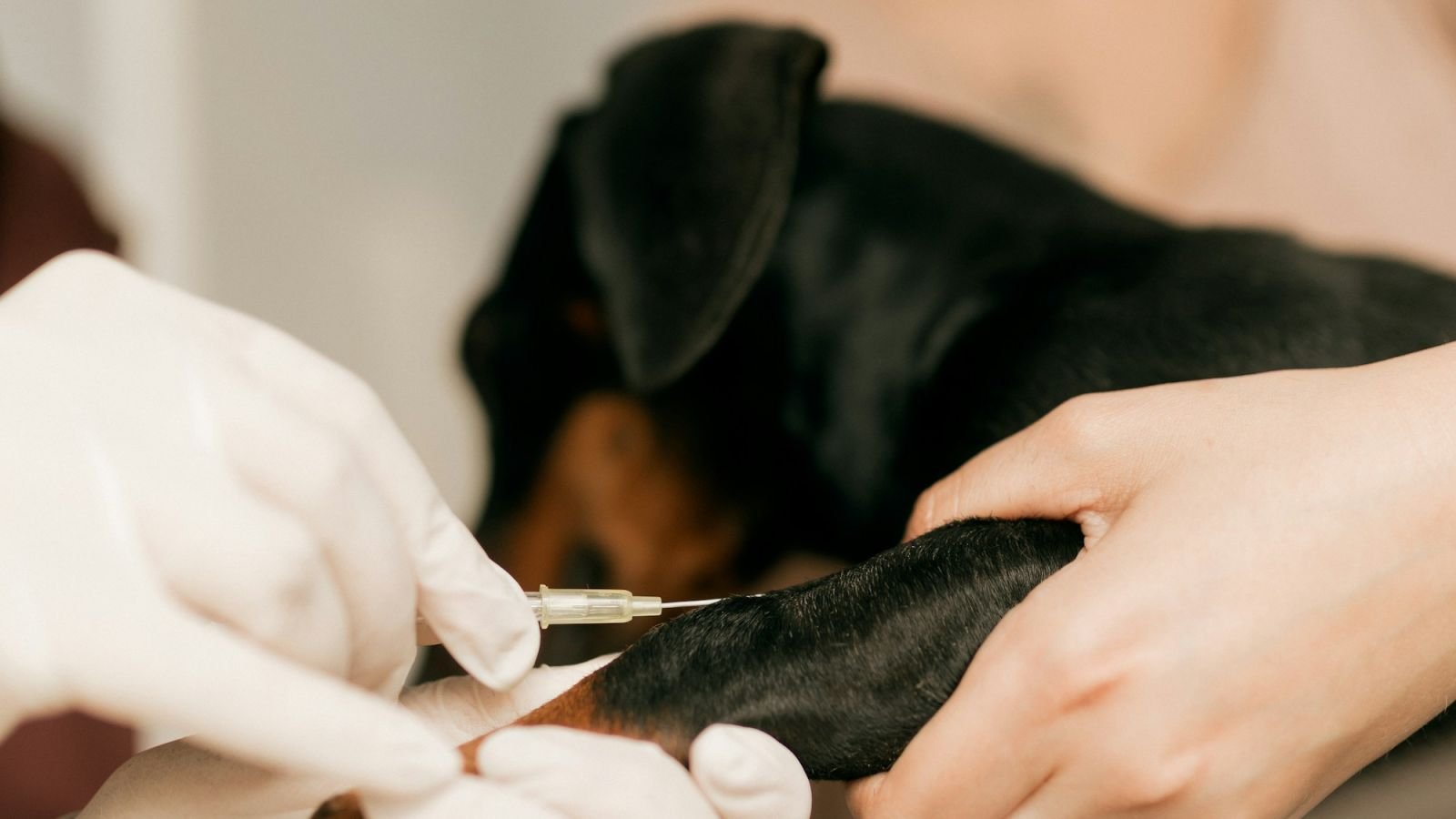
Animal care facilities sit at an awkward intersection. They are clinical environments that must be cleaned and disinfected to a healthcare standard, but they are full of animals, hair, dander, body fluids and odour — and some of what circulates there can infect people as well as animals.
Veterinary and animal care cleaning therefore adds one risk category that no human healthcare setting has to manage: zoonotic transmission, from animal to person, through the environment.
Scope note: animal handling and restraint, anaesthesia and surgery support, euthanasia, clinical and sharps waste, and the handling of infectious animals are the veterinary team's responsibility. Cleaning staff should never handle animals or clinical waste unless the practice has explicitly contracted, trained and equipped them to do so.
Key takeaways
- Zoonotic risk is the defining difference: cleaners can be infected by what animals leave behind.
- Hair and dander defeat ordinary cleaning methods and clog ordinary equipment.
- Clean then disinfect, with contact times, exactly as in human clinical settings.
- Isolation and infectious areas need dedicated equipment and a strict order of work.
- Odour is a symptom with identifiable sources; masking it makes the problem worse.
- Report bites, scratches, exposures, sharps and clinical waste rather than handling them.
What makes animal care different
| Factor | Implication for cleaning |
|---|---|
| Animals present | Work is coordinated with staff; restraint is not a cleaner's task |
| Hair, dander, feathers | Clogs vacuums and drains; needs specific tools and frequent emptying |
| Body fluids, faeces, urine, vomit | Frequent, unpredictable, and often out of scope |
| Zoonotic organisms | PPE, hand hygiene and disinfection of animal-contact surfaces |
| Odour | Strong and persistent; must be solved at source, never masked |
| Isolation and infectious wards | Dedicated equipment, enhanced disinfection, cleaned last |
| Client perception | Owners judge the waiting room the way patients judge a clinic |
The clinical method — cleaning before disinfection, correct contact times, colour-coded equipment, a defined sequence — is identical to human healthcare and is set out in infection control cleaning and hospital and clinic cleaning. This article focuses on the risks and the operational decisions that come with animals in the building.
Zoonotic risk and PPE
This is the part that requires explicit training, not general cleaning experience. Zoonotic organisms can be transmitted through faeces, urine, saliva, respiratory droplets, contaminated surfaces and direct contact with an animal.
- Wear the PPE the practice specifies for the area, and change it between risk areas — critical
- Cover broken skin before starting work; a plaster is not a substitute for gloves
- Perform hand hygiene after removing gloves and before eating, drinking or touching your face — critical
- Never eat, drink or store food in kennel, treatment or isolation areas — critical
- Never handle an animal, even a calm one, to move it out of your way — report and wait — critical
- Report bites, scratches, splashes to the eyes or mouth, and any exposure immediately — critical
- Know the practice's protocol for a suspected infectious case before you encounter one
Hand hygiene is the primary control, and it depends on working basins, soap and paper towel being available in the areas where staff actually work, not only in the washroom.
Cleaning and disinfection in animal care areas
The same clean-then-disinfect sequence applies, with an extra step for organic load, which is heavy in animal facilities.
- Remove loose hair and debris mechanically, before any liquid touches the surface.
- Clean with a detergent to remove organic soil, which inactivates many disinfectants.
- Apply the disinfectant at the correct dilution, covering the whole surface.
- Allow the labelled contact time before wiping or rinsing.
- Clean from the cleanest area to the most contaminated, and finish with floors and drains.
- Disinfect or replace tools before moving to the next area.
The differences between cleaning, sanitizing and disinfecting matter here as much as in human healthcare, and product labels are written accordingly. See cleaning vs sanitizing vs disinfecting when writing a specification.
Exam rooms, treatment and surgery areas
- Clean and disinfect exam tables, scales, mats and restraint points between patients where assigned
- Clean and disinfect work surfaces, trolleys, sinks and taps
- Clean and disinfect door handles, light switches, cabinet pulls and computer keyboards
- Clean floors with a method appropriate to the surface, and disinfect where specified
- Clean and disinfect waste bins, and never handle clinical or sharps waste — critical
- Clean anaesthetic and monitoring equipment externally only, and never move or adjust it
- Report damaged seals, cracked surfaces, torn upholstery and failed lighting rather than repairing
Surgery and sterile areas are usually cleaned to the practice's own protocol by trained staff. Cleaning contractors should work to the practice's instruction and stop at the boundary of the sterile field.
Kennels, wards and boarding areas
Kennels generate the highest load of hair, organic matter and odour in the building.
- Remove all bedding and loose hair before wet cleaning
- Clean and disinfect kennel floors, walls, doors and latches
- Clean and disinfect between occupants, not only on a daily schedule
- Clean and disinfect food and water bowls and storage areas, separate from other cleaning
- Clean floor drains, channels and gullies, which collect hair and organic matter
- Clean under and behind kennels on a periodic cycle
- Clean and disinfect exercise areas and runs, and remove waste as contracted
- Report diarrhoea, blood, unusual odour or a sick animal to staff immediately — critical
Where a ward houses an infectious or suspect case, treat it as an isolation area and follow the practice's protocol to the letter.
Isolation and infectious areas
Isolation areas are defined by process, not by how dirty they look.
- Enter only if contracted and trained, with the PPE the practice specifies
- Use dedicated equipment stored in or beside the area, marked and never used elsewhere — critical
- Work from the least contaminated point to the most contaminated, with floors and drains last
- Do not carry equipment, cloths or supplies out of the isolation area — critical
- Remove PPE in the correct order and perform hand hygiene on exit — critical
- Clean isolation areas last in the shift, after every other area is complete
- Report any breach of the protocol rather than correcting it quietly
Reception, retail and administrative areas
Client-facing areas carry the reputational standard, and they receive animals in the front door.
- Clean and disinfect reception counters, pens, card terminals and door hardware
- Clean seating and upholstery, treating spots and odour at source
- Clean and disinfect waiting room floors at high frequency; assume accidents
- Clean glass, entry doors and display cases
- Clean and dust retail shelving, stock fridges externally and display units
- Clean and disinfect washrooms to a clinical standard
- Empty waste frequently, especially where pet waste bags are disposed of
Hair, dander and odour: the two persistent problems
Hair and dander clog equipment, defeat mopping and re-contaminate surfaces that were just cleaned.
- Use rubber-bladed sweepers and appropriate brushes before any wet cleaning
- Choose vacuums with good filtration; ordinary vacuums redistribute dander
- Empty and clean vacuum filters and bags frequently, not on a weekly schedule
- Rinse mops thoroughly and replace mop heads more often than in most commercial settings
- Clean drains and floor channels on a schedule, because that is where hair accumulates
Odour has identifiable sources, and masking it with fragrance makes a clinic worse for staff, clients and animals.
| Odour source | Control |
|---|---|
| Floor drains and channels holding hair and organic matter | Clear, clean and disinfect on schedule |
| Kennel floors and the space beneath kennels | Clean and disinfect, do not just rinse |
| Damp or soiled bedding awaiting removal | Remove promptly and store away from clean areas |
| Upholstery in waiting areas | Extract and treat; replace when saturated |
| Waste bins, especially food and pet waste | Empty frequently and clean the bin itself |
| Carpets in waiting and admin areas | Periodic extraction with odour treatment at source |
Fragrance-free products are the better default in an animal care setting, because strong fragrance is an irritant and animals are more sensitive to it than people.
Chemical safety with animals present
- Store all chemicals in a locked or controlled area, never in kennels, wards or treatment rooms — critical
- Never leave a bucket, spray bottle, mop or machine unattended where an animal can reach it — critical
- Keep animals out of the area until surfaces are dry, unless staff direct otherwise
- Never mix products, and never combine chlorine bleach with an ammonia-based cleaner — critical
- Ventilate while using any disinfectant or solvent-based product
- Know the safety data sheet for every product on site, including first aid measures
- Report any animal that appears to react to a product immediately
Inspection and documentation
Animal care facilities answer to clients and to professional standards, and a documented cleaning record supports both.
- Score exam rooms, kennels, isolation areas, reception and washrooms separately
- Record disinfection and PPE items as critical rather than general
- Photograph defects, damage and out-of-scope conditions with the date attached
- Note any area you could not clean because an animal or procedure was present
- Track repeat deficiencies — drains, upholstery and kennel latches are frequent repeat offenders
The measurement method is covered in how to measure cleaning quality, and the difference between a checklist and a scored inspection in cleaning checklist vs inspection.
Where this fits in the quality system
This sits under our how the janitorial checklist works, which sets out the standard these checks are measured against.
Frequently asked questions
What zoonotic risks do cleaning staff face in a veterinary facility?
Organisms that can pass from animals to people through faeces, urine, saliva, respiratory droplets and contaminated surfaces. The main controls are PPE, hand hygiene, covering broken skin, keeping food out of animal areas, and prompt reporting of bites, scratches or exposures.
How often should a veterinary clinic or animal shelter be cleaned?
Exam and treatment surfaces are cleaned between patients where assigned, kennels and wards at least daily with more frequent waste and hair removal, reception and waiting areas continuously through opening hours, and periodic deep cleaning of drains, upholstery and carpets. Frequencies should follow the practice's infection control policy.
Can cleaning staff clean up animal blood, faeces or vomit?
Only if the practice has contracted that work, trained the staff and supplied the right equipment and disinfectants. Otherwise it should be reported and handled by the veterinary team. Cleaning staff should never improvise a response to an unknown body fluid.
Why does an animal facility smell, and how do you fix it?
Usually floor drains and channels holding hair and organic matter, followed by kennel floors, damp bedding, saturated upholstery and waste bins. The fix is removing the source and cleaning the surfaces, not adding fragrance, which irritates staff, clients and animals without solving anything.
Can cleaning staff handle animals or move them to clean?
No. Restraint, handling and moving animals is a trained veterinary task and carries injury and liability risk for both the animal and the cleaner. Cleaning staff should ask staff to move an animal, or return to the area later.
Clean to a clinical standard, with animals in mind
An animal care facility needs the discipline of a clinic and the practical tooling of a kennel. A written scope, zoonotic training, the right equipment for hair and odour, and a dated cleaning record are what make the contract sustainable for both sides.
NeatScore lets you build facility checklists with disinfection and PPE items flagged critical, record per-area completion with photos, and produce a dated report the practice can keep. Inspections work offline and sync when there is signal again. Try it free for 7 days, or see pricing.