Warehouse, Cold Chain and Loading Dock Cleaning: A Working Guide
How to clean warehouses, cold chain spaces and loading docks, covering dock plates, racking, spill response, freezer work and the hazards to report rather than handle.
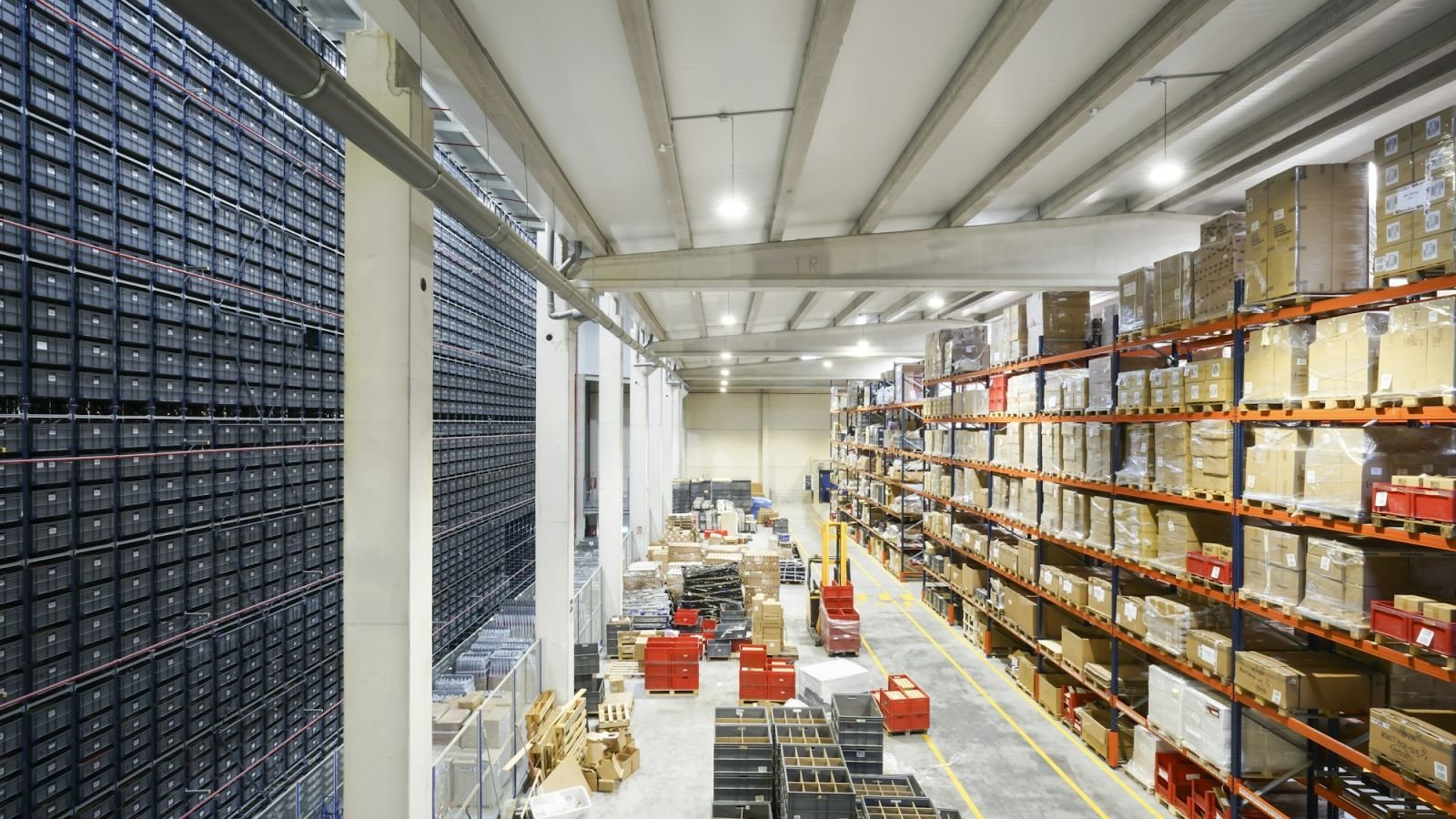
A warehouse is not a big office with racking in it. It is a work environment where powered equipment moves constantly, where product is stacked overhead, where doors open to the weather, and where a cleaning crew is often the only team working the space while it is empty.
Warehouse and loading dock cleaning therefore has to be planned around traffic, product protection and hazard exposure, not around a route you would use in an office building. Add a cold chain and the methods change again.
Key takeaways
- Clean by zone and hazard, not by walking the perimeter and hoping.
- The loading dock is the highest-risk area on site: ice, dock edges, trailer movement and hydraulic equipment.
- In cold chain areas, dry methods and controlled defrosting replace wet cleaning. Water freezes before it cleans.
- Never touch damaged racking, dock levelers, compactor hydraulics or refrigeration plant. Report, photograph and escalate.
- Spill response is the metric clients notice most. Speed and documentation beat scrubbing.
The zones and what each one needs
Warehouses are not uniform, and a single frequency for the whole building is why some corners never get touched.
| Zone | Main soils | Typical frequency | Priority |
|---|---|---|---|
| Loading dock, dock plates, levellers | Road grit, oil, salt, cardboard dust, ice | Daily sweep; wash as weather demands | Safety and slip risk |
| Dock aprons and exterior approach | De-icing salt, mud, debris | Daily in winter | Slip and track-off control |
| Receiving and staging | Packaging debris, stretch wrap, dust | Daily | Fire load and trip risk |
| Racking aisles and pick faces | Cardboard dust, product residue, spillage | Daily or per visit | Product protection |
| Racking uprights and beams | Dust, impact damage | Weekly to monthly | Damage reporting |
| Battery charging rooms | Acid residue, water, hydrogen venting | Per facility procedure | Specialist, restricted |
| Amenities, offices, lunchrooms | Normal janitorial soils | Daily | Staff expectation |
| Waste and compactor area | Leachate, odour, pest pressure | Daily to weekly | Hygiene and pest control |
| Cold rooms and freezers | Ice, condensation, biofilm in drains | Per cold chain schedule | Food safety |
The method for the general-purpose side of the building is in our warehouse cleaning checklist, and the wider distribution environment is covered in warehouse and distribution centre cleaning. What follows focuses on the parts those guides do not: the dock, the cold chain and the hazards.
Loading docks: the highest-risk hundred square metres
Dock work is where cleaning crews get hurt and where claims originate.
- Never work under a raised dock leveller or a trailer that is not chocked and restrained — critical
- Sweep and scrub dock plates and pits only when the door is closed and the vehicle has departed — critical
- Never clean a dock position while a trailer is backing in — critical
- Remove ice and standing water from dock edges and walkways before anything else — critical
- Clear dock bumpers, guide rails and edge markings of debris so drivers can see them
- Clean dock seals and shelters without tearing or dislodging them
- Keep dock stairs, handrails and access ladders clean, and report damage — critical
- Empty and clean dock waste and cardboard collection points daily (fire load), and keep accumulation controlled
- Clean dock control panels, interlocks and signage with a damp cloth only; never wet-wash electrical enclosures
- Clean dock lights, and report failed lamps rather than reaching for them
- Sweep the apron in winter to control salt and grit carried inside
Dock pits, leveller hydraulics, compactor rams and press equipment are not cleaning tasks. They are machinery, often guarded, and always the facility's or a contractor's scope. If a pit is fouled or a leveller is leaking, report it.
Scope note: Confined spaces, compactor and baler machinery, hydraulic equipment, electrical panels and refrigeration plant are normally outside a cleaning contractor's scope. Confirm in writing what is included, and report rather than act on anything outside it.
Working safely around powered equipment
Traffic and pedestrians share the same floor in most warehouses, which is why housekeeping is a safety control rather than a cosmetic one.
- Never step into a forklift aisle without making eye contact with the operator — critical
- Use barriers or cones when working in an active aisle
- Never block fire exits, extinguishers, eyewash stations or electrical panels with equipment or waste
- Watch overhead: product stacked above you, and racking damaged by impact
- Keep cords and hoses out of vehicle routes, or work during shutdown
- Wear high-visibility clothing where vehicles operate
- Do not move pallets, product or racking to reach dirt. Clean around them and report.
- Report racking damage immediately — never straighten, repair or climb damaged racking — critical
- Never climb racking or use a pallet as a work platform
The general principles are the same ones behind slips, trips and falls prevention, which is worth reviewing before you write a dock procedure.
Cold chain areas: coolers, chillers and freezers
Cold chain cleaning is a different discipline. Chemistry slows at low temperature, moisture does not evaporate, and ice is a structural problem rather than a spill.
In coolers and chill rooms. Water-based cleaning is possible with controls, but drying is the whole job. Residual water in a sealed room becomes the next contamination event.
In freezers. Water cannot be used at all. It freezes on contact and creates ice you then have to remove.
- Clean during a defrost cycle or a planned product-out window
- Remove ice mechanically with plastic tools. Never use metal, and never work near coils or refrigerant lines — critical
- Never chip, scrape or probe evaporator coils or pipework — critical
- Confirm detergents and sanitisers are approved for the temperature, and extend contact time per the manufacturer
- Clean and treat floor drains and gullies, which are the consistent source of odour — critical
- Wipe door gaskets and seals every clean, and report perished seals
- Never use water on freezer floors, and never leave standing water in a cooler
- Report damaged coving, cracked floors and failed panel joints rather than cleaning over them
Full methods, including the cooler versus freezer split and the safety risks, are in cold storage and refrigeration cleaning. Where ambient packaged food is stored rather than frozen, food safety cleaning covers the hygiene and cross-contamination controls.
If the site handles exposed food, its own food safety plan governs. Follow the facility's procedures and confirm requirements with its food safety team rather than substituting your own.
Spills: response and documentation
Spills are the event clients remember, and the response matters more than the routine sweep.
- Secure the area. Cones, signage and, if the spill is slippery, an immediate barrier — critical
- Identify the material before touching it. Water, oil, coolant, battery acid, cleaning chemical, food product and unknown liquids need different responses.
- Consult the safety data sheet for any chemical spill, and use the PPE it specifies.
- Contain before you dilute. Dams, absorbent socks and pads stop a small spill becoming an aisle-wide one.
- Clean, then neutralise or degrease as the material requires.
- Dry the surface completely before removing signage — critical
- Dispose of absorbents per the facility's waste procedure, and never into general waste if the material is hazardous.
- Record it. Time, location, material, action and who attended.
Report rather than act on battery acid, coolant, unknown drums, refrigerant, and any spill in a confined space or electrical room. Those are specialist responses.
Inspection and evidence
A warehouse inspection that only looks at the floor misses the things that actually fail.
- Dock plates, pits and edges clean, dry and free of ice
- Walkways, stairs and handrails clean and unobstructed
- Fire exits, extinguishers and panels clear — critical
- Aisles and pick faces clean, with no debris under racking
- Cardboard and waste accumulation controlled — critical
- Spill response records complete
- Cold areas: floors dry, drains treated, gaskets clean, no ice
- Racking damage identified and reported, not repaired
- Amenities, washrooms and lunchrooms clean and stocked
- Chemical storage labelled, closed and segregated
Scoring this by zone, with photos, is covered in how to do a cleaning audit and in the wider method behind what a cleaning inspection is.
Where this fits in the quality system
This sits under our the janitorial inspection checklist, which sets out the standard these checks are measured against.
Frequently asked questions
How often should a warehouse floor be swept and scrubbed?
Dock aprons, receiving and main aisles usually need daily sweeping, with scrubbing on a weekly or monthly cycle depending on traffic and whether the space handles food. Cold areas follow their own schedule, driven by defrost windows rather than a fixed day of the week.
Can you use a scrubber-dryer in a loading dock area?
Only when the door is closed and no trailer is present, and only with a machine rated for wet work on that surface. Many dock areas are sloped, so watch for runoff toward doors and drains, and always sign and dry the area afterwards.
Who should clean a dock pit or compactor?
A specialist, under a permit, not a routine cleaning crew. Pits are often confined spaces and compactor rams are heavy machinery with stored energy. Clean the accessible dock surface and report the pit.
Why does a freezer need plastic tools rather than metal?
Because refrigerant lines and evaporator fins sit close to the surfaces you are clearing. A metal scraper can puncture a line, which releases refrigerant, contaminates product and creates a serious safety and cost incident. Plastic tools reduce but do not remove that risk, so never work near coils.
What should a cleaning crew do about damaged racking?
Report it, photograph it and escalate it, and never attempt to straighten, weld, brace or climb it. Damaged racking is an engineering and safety matter for the facility, and cleaning staff working near it should keep clear until it is assessed.
Where this fits in the quality system
This sits alongside our warehouse cleaning checklist, which sets out the standard these checks are measured against.
Clean the dock, prove the dock
Docks and cold rooms fail quietly: ice at the edge, a blocked drain, a fouled gasket, a spill nobody recorded. Zone-based inspection with photos is how those get caught before they become incidents.
NeatScore lets you build dock, aisle and cold room checklists with critical items flagged, record completion with photos on an Android phone, and keep a dated report the facility can rely on. Inspections work offline and sync when the signal returns, which matters in a steel-framed warehouse. Try it free for 7 days, or see pricing.