Train and Bus Depot Cleaning: A Working Standard
How to clean and inspect train and bus depots: platform zones, restroom and shelter frequency, fuel and fluid scope limits, winter grit and night work.
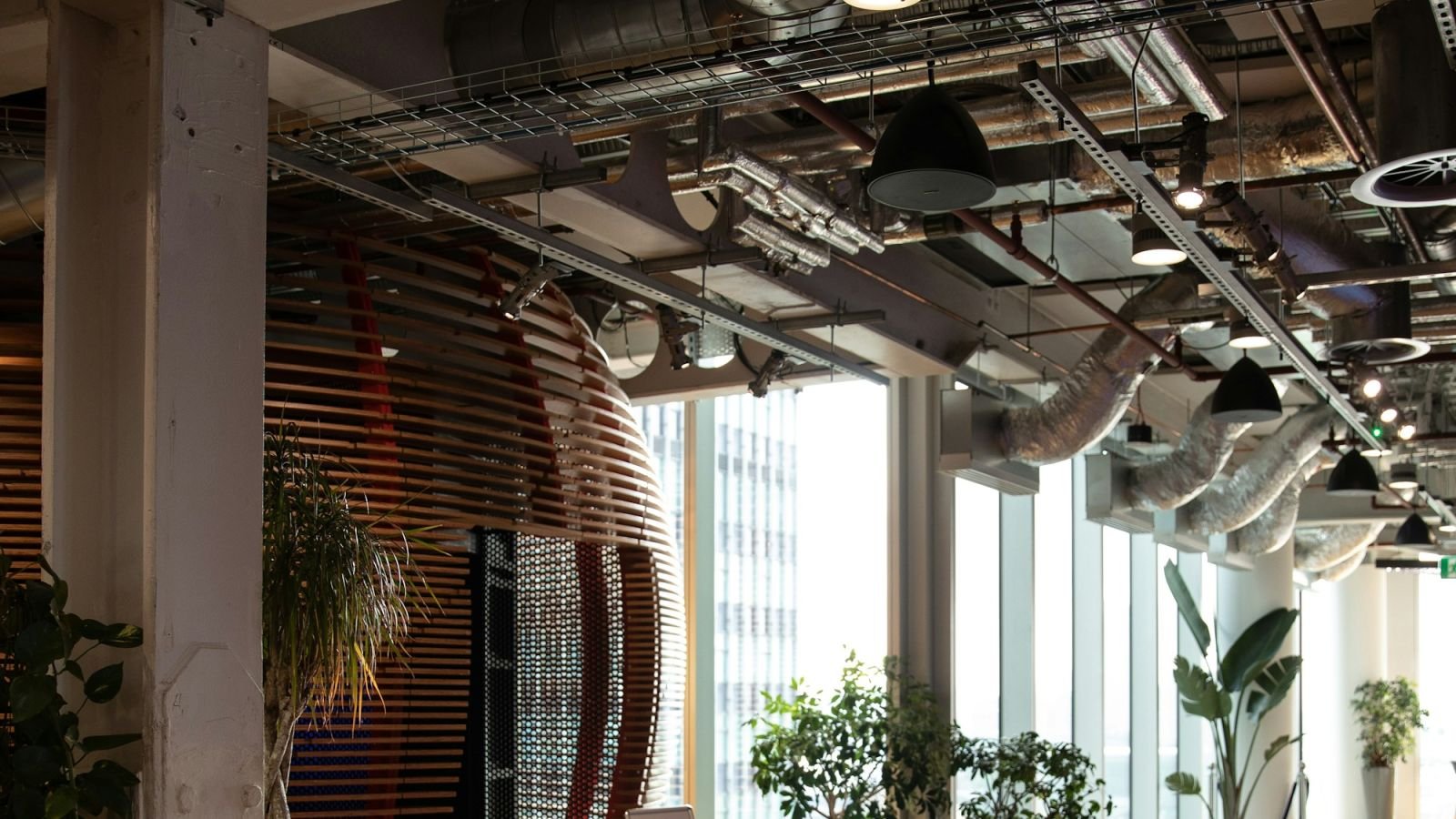
A depot is not just a bigger bus shelter. It is a vehicle circulation area, a passenger waiting area, a set of service and maintenance buildings, and often a staff facility with change rooms, washrooms and lunchrooms, all on one site and all with different soil patterns and different hazards. Cleaning it well means separating the passenger-facing standard from the industrial reality of the yard.
Train and bus depot cleaning also has to survive two facts that most commercial contracts do not: the site never fully empties, and much of the soil arrives from outside on wheels. This article covers the zone model, the frequencies that matter, the night-work and winter considerations, and where the cleaning scope stops.
Key takeaways
- Split the site into passenger areas, vehicle interface areas and staff buildings, and resource each one separately
- Shelters, platforms and restrooms set the public standard, and their frequency is driven by service headways and footfall
- Vehicle interiors and exteriors are operator work unless they are explicitly contracted, and depot yards involve vehicle-movement hazards
- Winter changes the whole job: grit, salt, slush and meltwater dominate the soil load and the slip risk
- Much of the work happens under time pressure at night, between service periods, which makes staging and handover critical
- Fuel, fluid, mechanical and electrical tasks are not cleaning tasks, and must be reported rather than attempted
The three-part zone model
Depots vary enormously, but the cleaning plan almost always separates into three groups of areas with genuinely different requirements.
| Zone group | Example areas | Typical cleaning window | Dominant risk |
|---|---|---|---|
| Passenger areas | Concourse, platforms, waiting rooms, restrooms, retail units | Continuous during service, deep work overnight | Slips, high-touch hygiene |
| Vehicle interface | Bays, boarding areas, wash area, driver change points | Between service periods | Vehicle movement, fluid spills |
| Staff buildings | Change rooms, washrooms, lunchrooms, offices, control rooms | Overnight or off-shift | Privacy, equipment access |
| Yard and exterior | Roadways, walks, refuelling islands, bin areas | Off-peak | Traffic, weather, fuel exposure |
The common mistake is to write a single task list that applies a passenger-area standard to the whole site. That produces an underpriced contract in the yard and an over-specified one in the office, and it makes the schedule impossible to resource honestly.
Platforms, shelters and the passenger standard
Passenger areas are judged in seconds: the platform edge, the seating, the shelters and the washrooms.
- Platform sweeping and litter collection runs in loops, scheduled outside train or bus arrival bursts where the operator can confirm the window
- Seating, handrails and grab rails are cleaned and disinfected on the same loop, not nightly — critical
- Ticket machines, validation points and information screens are cleaned around, with the operator's approval for anything touching the equipment — critical
- Shelter glass is cleaned for clarity and to remove poster adhesive and sticker residue
- Platform edges require care and, in many systems, a documented safe method while services are running
- Windswept litter accumulates against fencing and railings; treat those as defined locations on the schedule so they are not missed
Platforms in winter are a different environment altogether. Grit and salt are abrasive, meltwater moves soil into every corner, and wet floors near stairs and ramps are a serious liability. Entrance and platform-edge zones should be assigned a rapid-response role, not just a scheduled visit — critical.
Restrooms, waiting rooms and high-touch surfaces
Restrooms at a depot take more traffic per square metre than almost anywhere else in the building, and they are frequently the subject of complaint. A fixed sequence keeps quality stable regardless of who is on shift.
- Restock consumables before wet work
- Clean and disinfect toilets, seats and bases — critical
- Clean and disinfect urinals and flush controls — critical
- Clean sinks, taps and counters, then dry mirrors and metal
- Disinfect door handles, push plates and cubicle latches — critical
- Empty and reline waste, and check disposal units
- Mop from the farthest point to the door with clean solution, and leave the floor dry
Waiting rooms and concourses have the same high-touch categories in a different arrangement: seating, tables, handrails, waste bin lids, door hardware and water fountains. In a depot where passengers wait for long periods, seating cleanliness is the single most visible measure of the contract. The full area-level detail is in restroom cleaning checklist and the wider hub in transit station cleaning.
Vehicle interiors, exteriors and the yard
This is where scope discipline decides whether the contract is profitable and safe.
Operator vehicles — buses, light rail cars, coaches — have interiors that are normally cleaned by the operator's own staff or by a separate, explicitly priced vehicle-cleaning scope. Where the interior clean is contracted, it needs its own line item, its own frequency and its own standard, because it is a different job from building cleaning.
- Vehicle washing uses water, chemistry and often reclamation equipment, and involves working around moving vehicles — critical
- Refuelling islands and fuel spill response are operator responsibilities, and a cleaning crew that finds a spill reports it and stays clear — critical
- Wash bay sumps, drains and interceptors are not cleaning tasks and involve confined space and environmental exposure
- Mechanical, electrical and pneumatic work on vehicles or depot equipment belongs to qualified trades
- Vehicle lifting equipment, pits and inspection lanes are prohibited areas for cleaning staff unless there is a documented safe system of work
- Yard sweeping may fall inside or outside the contract; if it is inside, it must be priced with plant and traffic control in mind
Scope note: Vehicle servicing, fuel and fluid handling, wash-bay sumps, confined space entry, pest treatment, electrical work and machinery guarding are normally outside a cleaning contractor's scope. Confirm in writing what is included, and report rather than act on anything outside it.
Night work, lone work and shift handover
Depot cleaning is disproportionately night work, performed in buildings with reduced occupancy and, in some contracts, by staff working alone or in pairs.
- Follow the site's lone-worker procedure, including check-in intervals — critical
- Keep to lit, authorized routes between buildings; do not take yard shortcuts after dark — critical
- Do not enter vehicle bays, pits or plant rooms unless the site has confirmed they are isolated and safe — critical
- Wear high-visibility clothing at all times outdoors and in vehicle areas — critical
- Report any damaged lighting, uneven paving or missing guardrail immediately, because the next person through may be a passenger
Handover is the other night-work discipline. Where the night crew leaves work outstanding, the day supervisor needs to know before the first service period, not after a complaint. A written handover with named outstanding items is standard; the routine is set out in cleaning supervisor daily routine, and staffing patterns that survive this kind of schedule are covered in cleaning staff scheduling.
Winter operations at a transit depot
Winter is not a season in this environment, it is a mode of operation. The soil load arrives as slush, salt and grit; the slip risk moves to stairs, ramps, platform edges and every entrance; and chemical choices change.
| Condition | Practical response | Why it matters |
|---|---|---|
| Salt and grit tracked in | Neutral pH cleaner, frequent mop changes, extended matting | Salt residue attacks some finishes and dries to a haze |
| Meltwater pools at entrances | Rapid response, wet-floor signage, squeegee and dry mop | Leading slip hazard in the building |
| Slush on platform edges | Scheduled platform checks plus spot response | Passenger fall risk at the most dangerous location |
| Abrasive grit on hard floors | Dust mop and vacuum rather than wet-mop first | Wet-mopping grit grinds the finish |
| Frozen exterior stairs | Report to the site immediately | Exterior ice control is the site's responsibility |
The full seasonal program is described in winter cleaning operations, and the general prevention approach for this class of injury is covered in slips trips falls prevention.
Materials, chemistry and equipment for transit environments
Transit environments are hard on equipment. Machines are pushed long distances over rough surfaces, mops are used heavily, and floors are frequently shared with the public.
- Use microfibre flat mops and buckets with clean-solution separation so crews are not mopping with soiled water
- Choose neutral pH floor cleaner for routine work and reserve alkaline or acidic chemistry for defined tasks with a documented dwell time
- Keep autoscrubbers maintained with brushes and squeegees checked weekly; a worn squeegee leaves streaks that read as a failed clean
- Stock glass cleaner and scrapers for shelters, and expect adhesive residue from posters — critical: never use a blade on tempered or filmed glass without verifying the surface
- Manage waste handling with a defined route and time, because compactor and bin areas are vehicle traffic zones
- Maintain dilution control at the point of issue, with labelled secondary containers
Chemical management in a multi-building site is a record-keeping problem, and the framework is described in chemical inventory and dilution control.
Inspecting a depot fairly
The difficulty with inspecting a depot is that conditions vary enormously by hour. A concourse inspected at 05:30 is not the same building as the concourse inspected at 17:30, and a fair measurement has to account for that.
A practical approach is to sample by area type on every visit rather than to score the whole site: one platform, one restroom, one shelter cluster, one staff building, one entrance. Record the conditions in the note where relevant — service disruption, weather, an event — so the score is read in context. Attach photographs to findings, assign an owner and a due date, and track whether the same deficiency recurs. Recurrence is the signal that the schedule or the method is wrong rather than the effort. The scoring framework is described in how to measure cleaning quality.
Where this fits in the quality system
This sits under our transit station cleaning guide, which sets out the standard these checks are measured against.
Where this fits in the quality system
This sits under our the master inspection checklist, which sets out the standard these checks are measured against.
Frequently asked questions
Who cleans the inside of buses and trains at a depot?
Usually the operator's own staff or a separate, explicitly priced vehicle-cleaning scope rather than the building cleaning contract. If a contractor does take on vehicle interiors, it should be a distinct line item with its own frequency and standard, because the method, access and hazards differ from building cleaning.
How often should depot restrooms be cleaned?
Frequencies should follow footfall and service headways rather than a fixed figure, with peak periods served more often than the overnight baseline. Recording each visit is what makes the frequency defensible when a complaint arrives about a specific hour.
Is yard sweeping part of a cleaning contract?
It can be, but it needs to be priced separately because it requires plant, traffic control and a safe method of work around moving vehicles. Many contracts exclude it and leave it with the site's own grounds contractor.
What are the biggest hazards for depot cleaning staff?
Vehicle movement in bays and yards, slips on wet or icy surfaces, lone working at night, chemical exposure and contact with sharps or waste. Control measures include high-visibility clothing, defined routes, permit or isolation procedures for vehicle areas, and a strict report-don't-touch rule for needles and unknown items.
What should a cleaning crew never do at a depot?
Anything involving fuel or fluid handling, wash-bay sumps, vehicle maintenance, electrical or mechanical work, confined space entry, pest treatment or exterior ice control. These are either the operator's own staff or a qualified trade, and the crew's role is to report the condition and keep out.
NeatScore lets you build area-specific checklists with critical items flagged, record completion with photos, and keep a dated report your client can trust. Try it free for 7 days, or see pricing.