Phlebotomy and Diagnostic Lab Cleaning: Scope and Practice
A guide to phlebotomy and diagnostic lab cleaning: draw stations, bench surfaces, centrifuges, waiting areas and the specimen handling limits crews must respect.
A phlebotomy room and a diagnostic laboratory share a building, a set of hazards and, usually, a single cleaning contract. The waiting room looks like any clinic. Behind the door there is a draw chair with a tourniquet on the arm, a biohazard bin, racks of tubes and a benchtop centrifuge. The lab next door may hold analysers, microscopes, reagent fridges and specimen storage.
Phlebotomy and diagnostic lab cleaning is a job where the boundary is written into the hazards. Your crew owns the floors, walls, counters, chairs, sinks and washrooms. Specimens, sharps, blood tubes, reagents, analysers and anything inside a biological safety cabinet belong to laboratory staff. This guide sets out the split, the sequence and the report-first habits that keep crews safe.
Key takeaways
- Draw stations, bench surfaces, sink areas, chairs and door handles are the surfaces a cleaning crew can own.
- Specimens, tubes, sharps, biohazard waste, reagents and analyser internals are never a cleaning task.
- Clean first, then disinfect, and respect the full contact time the clinic or lab specifies.
- Blood spills and broken tube events follow the facility's spill procedure. Where your contract does not include trained response with the right PPE and disposal route, report and stay clear.
- Never open, empty, move or compress a sharps container or biohazard bin — critical
- Change mop water and cloths between the laboratory area and the public areas, every time.
Scope: room surfaces versus laboratory items
| Area or item | Normally contractor scope | Normally not your scope |
|---|---|---|
| Waiting room and reception | Chairs, counters, handles, floors, washrooms | Patient files, requisitions, computer screens |
| Draw station | Chair, arm rest, counter, sink, floor, bin exteriors | Tourniquets, needles, alcohol swabs, tube stock |
| Bench surfaces | Wet-wipe accessible clear bench areas if instructed | Racks, tubes, specimens, analysers, reagent bottles |
| Centrifuge and analysers | Exterior housing wipe if the lab confirms it is off and clear | Lids, rotors, chambers, calibration, maintenance |
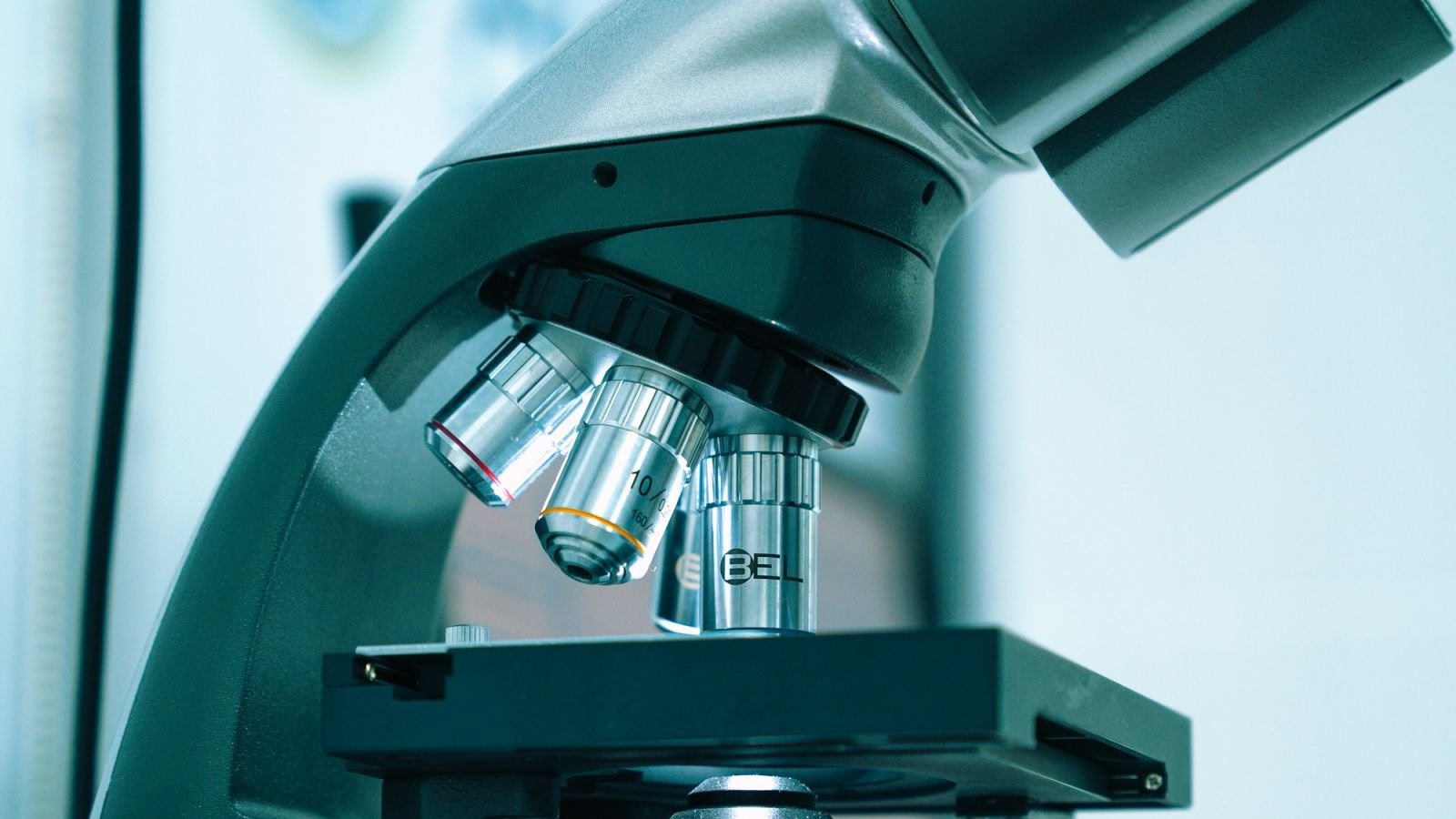
| Microscopes | Dust cover and exterior stage-free surfaces | Lenses, eyepieces, objectives, stage, slides |
| Fridges and freezers | Exterior, door seals, floor beneath | Contents, temperature settings, defrosting |
| Biohazard and sharps containers | Report fill level, damage or overfill | Opening, emptying, moving, disposal |
| Biological safety cabinet | Nothing | Any part, at any time |
| Waste and recycling | General waste only, per the facility's rule | Anything marked biohazard or chemical |
If a surface is not on the left, ask the lab supervisor before you touch it. In a working laboratory, "clear bench" is a specific instruction, not a general invitation.
Scope note: Specimens, sharps, biohazard waste, reagents and analyser internals are normally outside a cleaning contractor's scope. Confirm in writing what is included, and report rather than act on anything outside it.
Reception and waiting room
Phlebotomy waiting rooms carry a mixed population: fasting patients, elderly patients, parents with children and people who feel unwell after a draw. Cleaning has to keep the room safe without disrupting the queue.
- Clean and disinfect waiting chairs, especially arms and any chair used for post-draw recovery — critical
- Clean and disinfect the reception counter, card terminal, pen holders and clipboards — critical
- Clean and disinfect door handles, push plates, light switches and handrails — critical
- Wipe the water cooler, cup dispenser and any vending machine front
- Clean glass, entrance mats and poster frames
- Sweep and mop hard floors and vacuum carpets, with attention to the area beside seating
- Empty general waste, keep recycling clear of any biohazard stream, and restock hand hygiene supplies at reception — critical
- Report any blood spot, used swab or loose needle found in public areas immediately, and do not handle it
That last point matters more than it looks. A used lancet or a dropped tube in a waiting room is an exposure risk for your crew and for the next patient. Report it and let trained staff with the right equipment deal with it.
Draw stations and the phlebotomy room
- Clean and disinfect the draw chair, arm rest and any positioning surface per the lab's procedure — critical
- Clean and disinfect the counter, drawer fronts, cupboard handles and the exterior of wall-mounted units — critical
- Wipe the tray or trolley exterior without moving tubes, holders or supplies
- Clean and disinfect the hand-wash sink, taps, soap dispenser and paper towel holder, then restock — critical
- Clean and disinfect door handles, light switches and privacy curtain pulls
- Sweep and damp mop the floor, working from the far corner back to the door
- Empty the general waste bin, and leave sharps and biohazard containers exactly where they are
- Report spills, stained surfaces, damaged seats and any loose clinical item rather than wiping it away
Stains on a draw chair or a counter edge are the most common finding in this room. A dried blood spot is not a stain to scrub; it is an event the lab needs to know about, because the lab holds the spill procedure and the exposure record.
Bench surfaces, equipment and restricted items
- Wet wipe accessible, clear bench areas only when the lab has confirmed they are free of specimens and reagents — critical
- Dust the exterior of analysers, centrifuges and microscopes with a dry or barely damp cloth
- Wipe equipment exteriors only when the lab confirms the unit is switched off and not in a run
- Never open a centrifuge lid, a reagent fridge, a freezer or an analyser cover
- Never clean lenses, objectives, eyepieces or stages on a microscope. Report smudges and damage instead
- Clean the floor under and around benches only where you can reach without disturbing cables or gas lines
- Report any cracked housing, damaged cord, leak, unusual odour or alarm to the lab supervisor at once
Machinery, calibration and anything behind a sealed panel are report-only. A centrifuge that has not finished a run, or an analyser mid-cycle, is not equipment to be dusted around either. Wait until staff confirm it is safe.
Specimens, sharps and biological spills
- Leave every tube, container, slide and specimen exactly where it sits, even if it looks abandoned — critical
- Report a broken tube, a leaking container or a spill immediately, and keep people away from the area
- Follow the facility's spill procedure where your contract includes trained response with the right PPE, spill kit and disposal route
- Where it does not, report the event and stand clear, and record what you saw and when
- Never place anything that may carry blood into general waste, recycling or a sink — critical
- Do not use a mop or a cloth on a blood spill unless the facility's procedure explicitly directs you to and you have the equipment
Phlebotomy waste, used lancets, needles, gauze and gloves all sit in regulated streams. The CCOHS biological hazards resource sets out the exposure risks that make this rule non-negotiable. Our cleaning vs sanitizing vs disinfecting guide explains the clean-then-disinfect sequence that applies to every surface you do own.
Washrooms, staff areas and back of house
- Clean and disinfect toilets, seats, hinges and bases — critical
- Clean and disinfect sinks, taps, counters and dispensers, then restock — critical
- Clean and disinfect door handles, locks, hooks and switches
- Sweep and mop floors, including corners, behind fixtures and around floor drains
- Clean mirrors, partitions and dispenser exteriors
- Clean staff kitchenette surfaces and appliance exteriors, without discarding personal food
- Clean change room floors and benches, and leave staff belongings and lockers untouched
- Report any leak, standing water, blocked drain or odour the same day
Phlebotomy staff work at speed, often with gloves on and a patient waiting. That means the sink area and the counter around it see heavy use, and a blocked drain or empty soap dispenser becomes a compliance problem rather than a housekeeping one.
Cloths, mops and cross-contamination control
The single biggest operational risk in this setting is carrying contamination from one area to another on your own equipment.
| Area | Cloth and mop rule | Notes |
|---|---|---|
| Laboratory or draw room | Dedicated cloths and mop head | Never used in washrooms or reception |
| Washrooms | Separate colour-coded set | Always last in the route |
| Reception and waiting | Separate cloths | Change frequently at peak times |
| Floors | Change water between zones | Dump and refill, do not top up |
| Waste bins | Fresh liner, exterior wipe only | Report anything marked biohazard |
- Dilute chemistry exactly to the label, and never mix products — critical
- Keep a current safety data sheet for every product in the building
- Store chemicals locked, labelled and away from any specimen or reagent storage — critical
- Wash hands after handling waste and before eating, drinking or leaving the site
Our infection control cleaning guide covers the same colour-coding discipline in a health care context, and the medical office cleaning checklist is a useful comparison for smaller draw clinics.
Frequency planning
| Task | Typical frequency |
|---|---|
| Draw room surfaces, chair and sink | Daily, with between-patient wipe by clinical staff |
| Bench clear areas where assigned | Daily, at a time the lab confirms |
| Waiting room, reception touch points | Daily, more often in cold and flu season |
| Washrooms full clean and restock | Daily, with an afternoon check |
| Floors in clinical areas | Daily, with spot mopping at busy times |
| Equipment exteriors | Weekly, or as the lab schedules downtime |
| High-level dusting, vents and light fittings | Quarterly |
| Walkthrough with the lab supervisor | Monthly, with a quarterly review |
A cleaning schedule template makes those intervals visible to the client, but the laboratory's operating hours decide when you can actually work. Many labs need cleaning outside sample processing windows, and some need specific benches released before a crew can touch them.
Inspecting and reporting
- Draw room chair, counter, sink and floor clean and undamaged
- Waiting room and reception touch points clean
- Washrooms clean, dry and fully stocked
- Sharps and biohazard containers intact, not overfilled and correctly located
- No specimens, tubes or clinical items handled by cleaning staff
- Chemicals labelled, locked and stored away from specimens and reagents
- Equipment faults, leaks, alarms and damaged cords reported in writing
- Mop water and cloths changed between zones on every shift
Record each deficiency with a photo, a time and a due date. In a laboratory setting the written record carries real weight: it shows what was found, when it was reported and who was told, which is exactly what an investigation needs later.
Not regulatory advice. Laboratory and health facility cleaning requirements vary by province and are enforced by provincial health authorities and workplace regulators. Confirm specifics with your provincial regulator and follow the laboratory's own procedures.
Where this fits in the quality system
These checks sit under our janitorial inspection checklist, which sets the standard the draw room and washroom items are scored against. For a wider view of the same discipline, see our laboratory cleaning guide and the hospital and clinic cleaning overview.
Frequently asked questions
How often should a phlebotomy room be cleaned?
Daily cleaning of the draw chair, counter, sink, floor, waiting area, reception and washrooms, with spot mopping during busy periods. Bench clear areas are wiped only at times the laboratory confirms, and equipment exteriors are usually weekly or during scheduled downtime.
Can a cleaning contractor handle blood tubes or biohazard waste?
No. Tubes, specimens, sharps, biohazard bins, used swabs and gloves are regulated items handled by trained laboratory or clinical staff. Cleaning crews clean the surfaces around them and report anything loose, broken, leaking or overfilled to the supervisor immediately.
What should a cleaner do if a blood spill happens?
Report it and follow the facility's spill procedure. If your contract does not include trained response with the correct PPE, spill kit and disposal route, keep people away and let trained staff manage the spill. Never mop or wipe a blood spill, and never place contaminated material in general waste.
Which surfaces in a laboratory are off limits?
Biological safety cabinets, analyser interiors, centrifuge chambers and rotors, reagent fridges and freezers, microscope optics, gas lines and anything behind a sealed or alarmed panel. Equipment exteriors can be dusted or wiped when the laboratory confirms the unit is off and clear.
Why does mop water need changing between areas?
Because a mop is a transport device. Water used in a washroom or a clinic area can carry organisms into a laboratory space or a reception area. Dump and refill between zones, use dedicated colour-coded cloths for clinical and washroom areas, and never top up a bucket you have already used.
Make the standard provable
A laboratory supervisor needs to know what was cleaned, when, and what was reported. Memory and verbal handovers do not survive an audit or an incident review.
NeatScore lets you build area-specific checklists for the draw room, bench areas, washrooms and reception, flag the items that matter most, and attach photos as dated evidence of completion. Inspections run on Android or in the web portal, work offline and sync, and produce a branded PDF report the facility can file or share. Try it free for 7 days, or see pricing.